Reviews
-
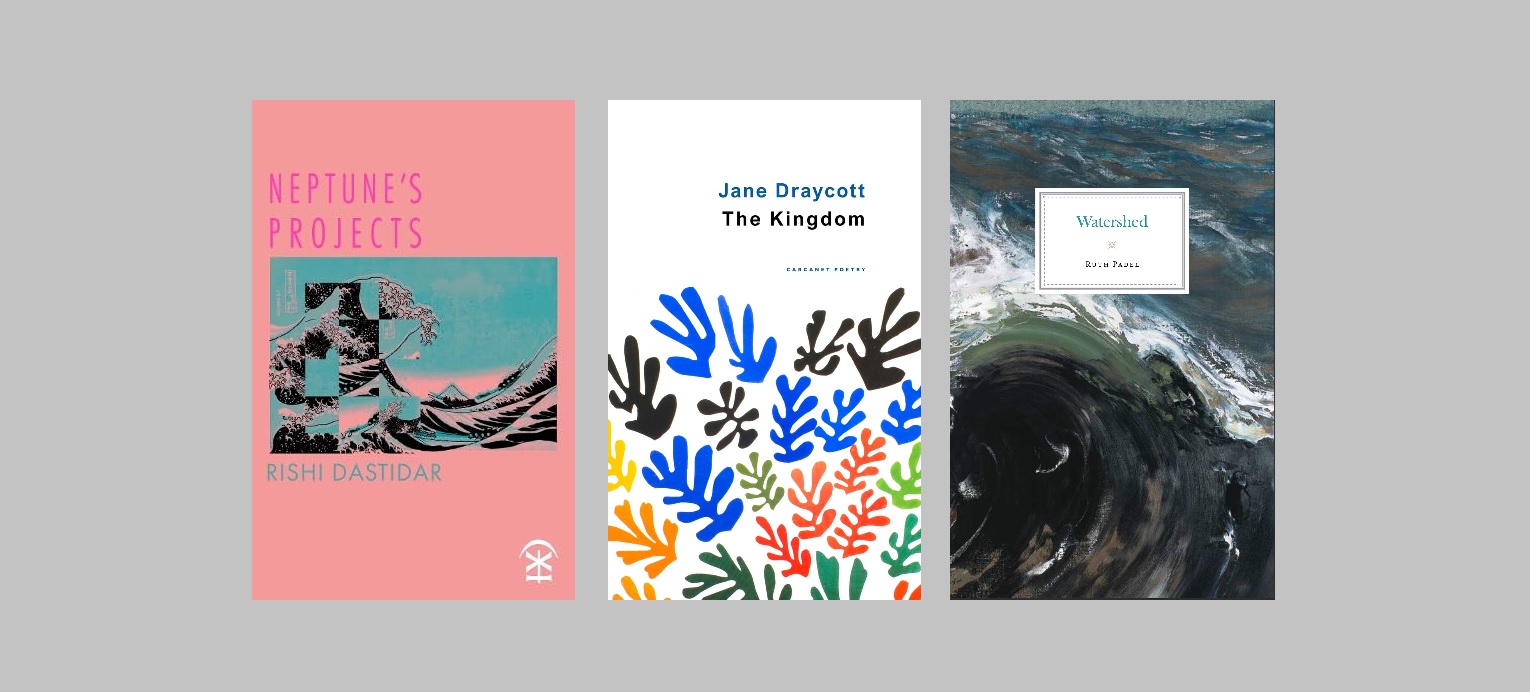
Kingdoms of Earth and Sea: on Rishi Dastidar, Jane Draycott, and Ruth Padel
Kevin Gardner Three new and seemingly distinct collections by Rishi Dastidar, Jane Draycott, and Ruth Padel join their voices in opposing the kind of exceptionalism that deludes nations and their leaders to the climate crisis and their own impending ruin, that continues to convince some that Britain was chosen to rule the waves. British exceptionalism…
-
Toughness & tenderness: on ‘Crisis Actor’ by Declan Ryan
John Fuller How can we be prepared for all the difficult life-choices we may have to make? It’s a commonplace that there can be no rehearsal for life, since life has already begun. At the core of ‘Halcyon Days’, a beautiful love poem, and one of the longer and most philosophical in Declan Ryan’s very…
-
Wisdom joined with simplicity: on Andrew Motion’s New & Selected
Patrick Davidson Roberts It’s been twenty-five years since Andrew Motion’s first Selected Poems was published by Faber & Faber and for him personally, and for the world, a lot has occurred in the meantime. For him, there has been ten years as Poet Laureate, personal upheavals, professional successes, and a relocation to Baltimore. For all…
-
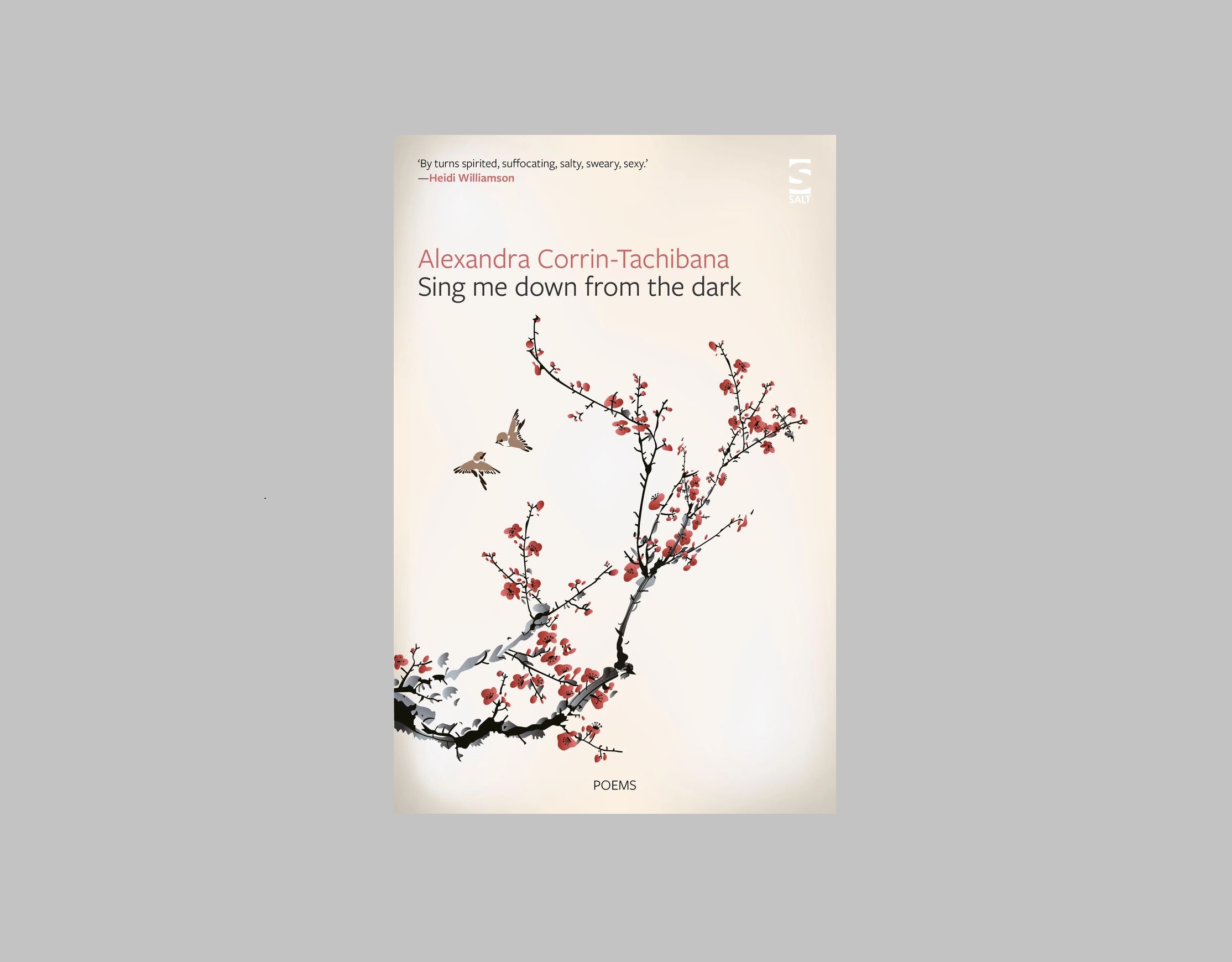
The confessional as poetry’s play within a play: on Alexandra Corrin-Tachibana
Matthew Stewart Deeply personal collections, packed with poems that narrate break-ups and emotional turmoil, tend to encourage the reader to narrow the distance between the poet and the lyrical ‘I’ to nothing, especially in light of the recent trend for viewing poetry as self-expression and self-discovery. And at first glance, Alexandra Corrin-Tachibana’s first collection, Sing…
-
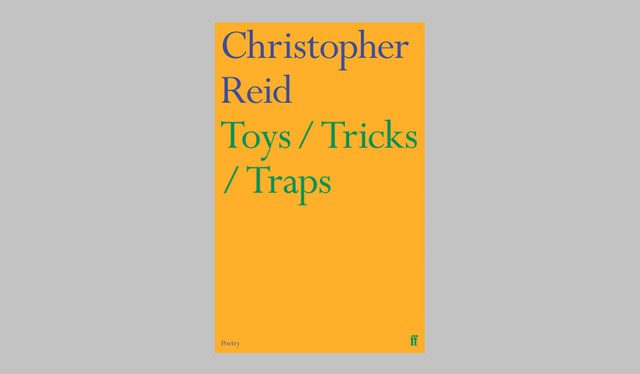
On ‘Toys / Tricks / Traps’ by Christopher Reid
Mark Wynne Whilst Christopher Reid has often disguised deeply autobiographical work behind sophisticated role play – the fictional female translator of an Eastern European poet in the extraordinary Katerina Brac (Faber, 1985) or the gently buffoonish widower Professor Winterthorn in Nonsense (Faber, 2012) – the protagonist of his new collection, Toys / Tricks / Traps…
-
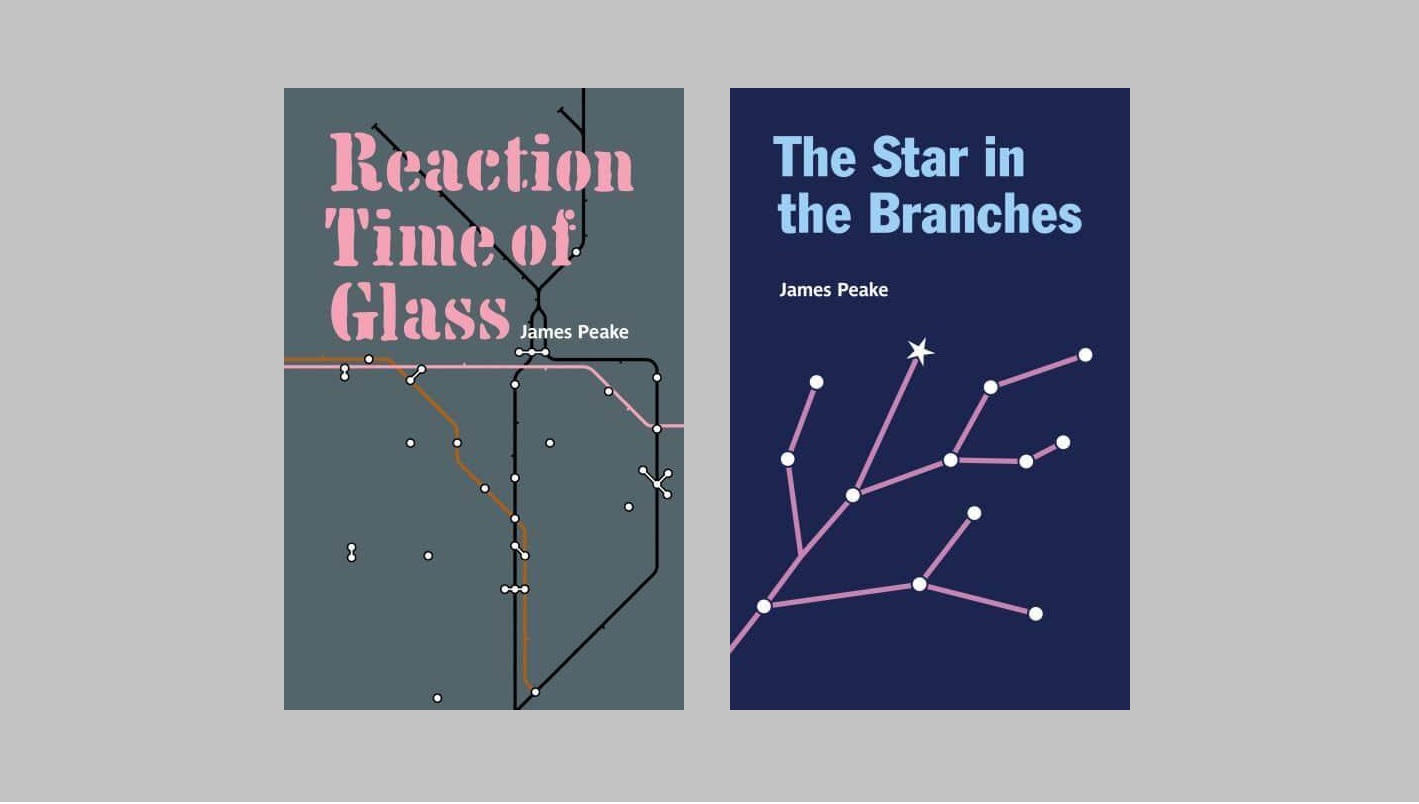
‘Rife with schools of shadow’: on the poetry of James Peake
Lily Searstone Through fragmented visions and memories, James Peake’s second collection, The Star in the Branches (Two Rivers, 2022), seamlessly distils the past, the starkness of contemporary life, and premonitions of the future, to create an introspective – yet also transportive – portrayal of the fractured times we find ourselves living…
-

On ‘The Storm in the Piano’ by Christopher James
Neil Elder Christopher James – winner of the 2008 National Poetry Competition and author of several volumes of poetry – remains “criminally underrated”, as Martin Malone once put it. James’ new pamphlet, The Storm in the Piano (Maytree Press, 2022), confirms his ability to combine the fantastical with poignancy so that even…
-
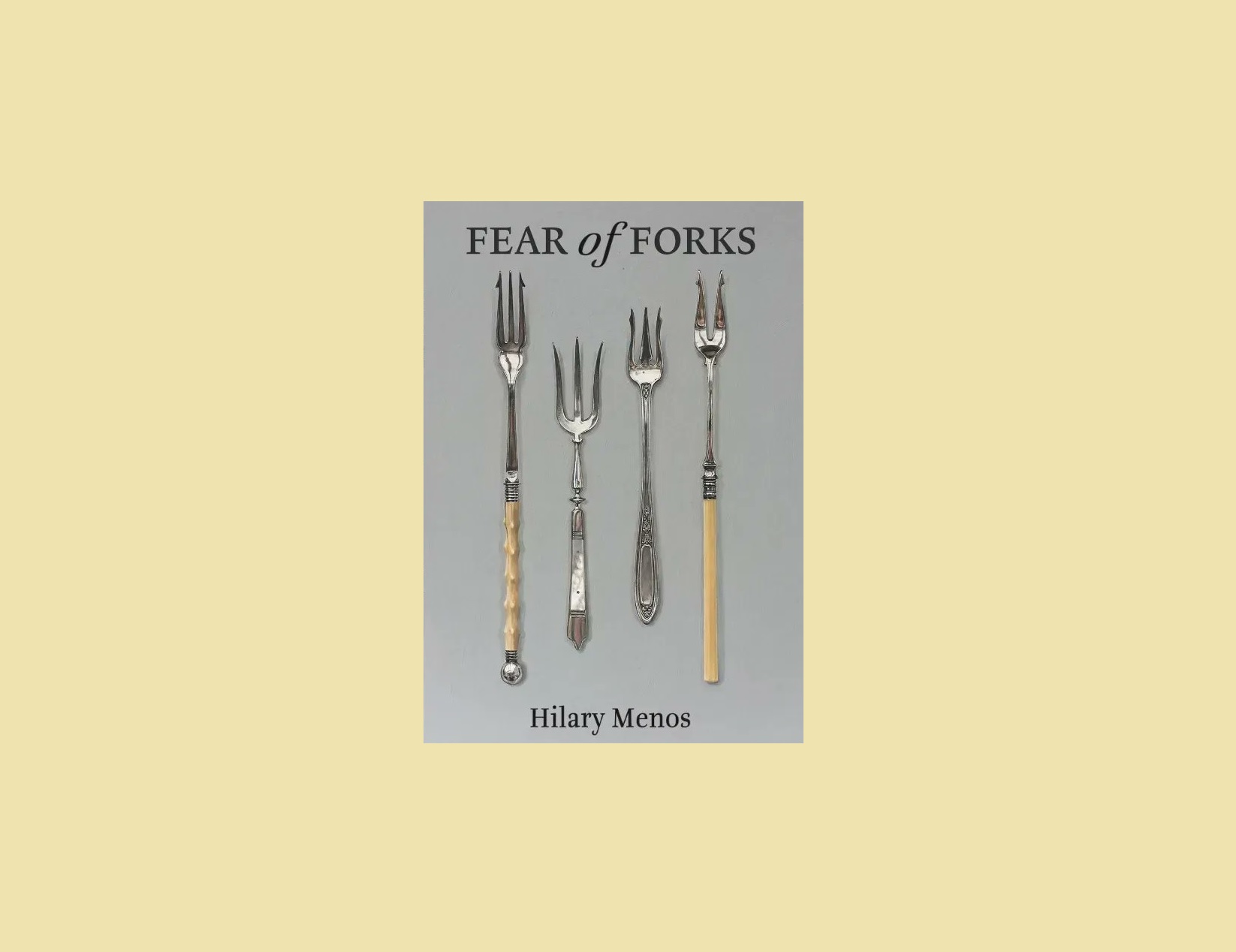
On ‘Fear of Forks’ by Hilary Menos
Matthew Stewart One of the main reasons for exerting restraint in poetry is to play with what is held back, left unsaid. The portrayal of linguistic and existential order implicitly hints at the disorder lurking just beneath the surface of our sentences and our lives. Read in this context, the unshowy method…
-
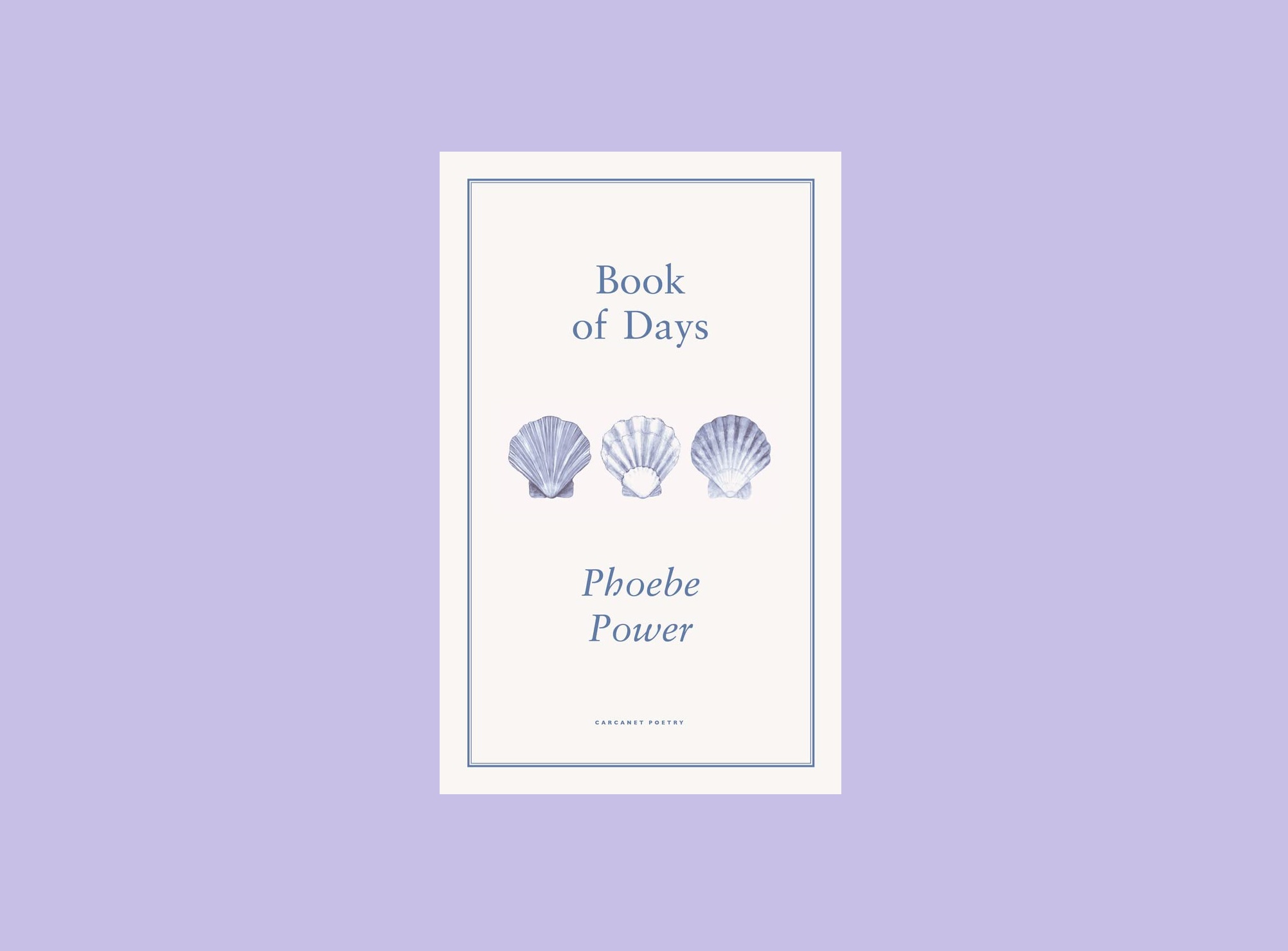
On ‘Book of Days’ by Phoebe Power
Rob A. Mackenzie Book of Days (Carcanet, 2022) is Phoebe Power’s account of making the ‘Camino’, a pilgrimage from St Jean Pied de Port in France to Santiago de Compostela in Spain, a distance of around 780km. But that’s not quite accurate. The Camino is the narrative around which the rest of…
-
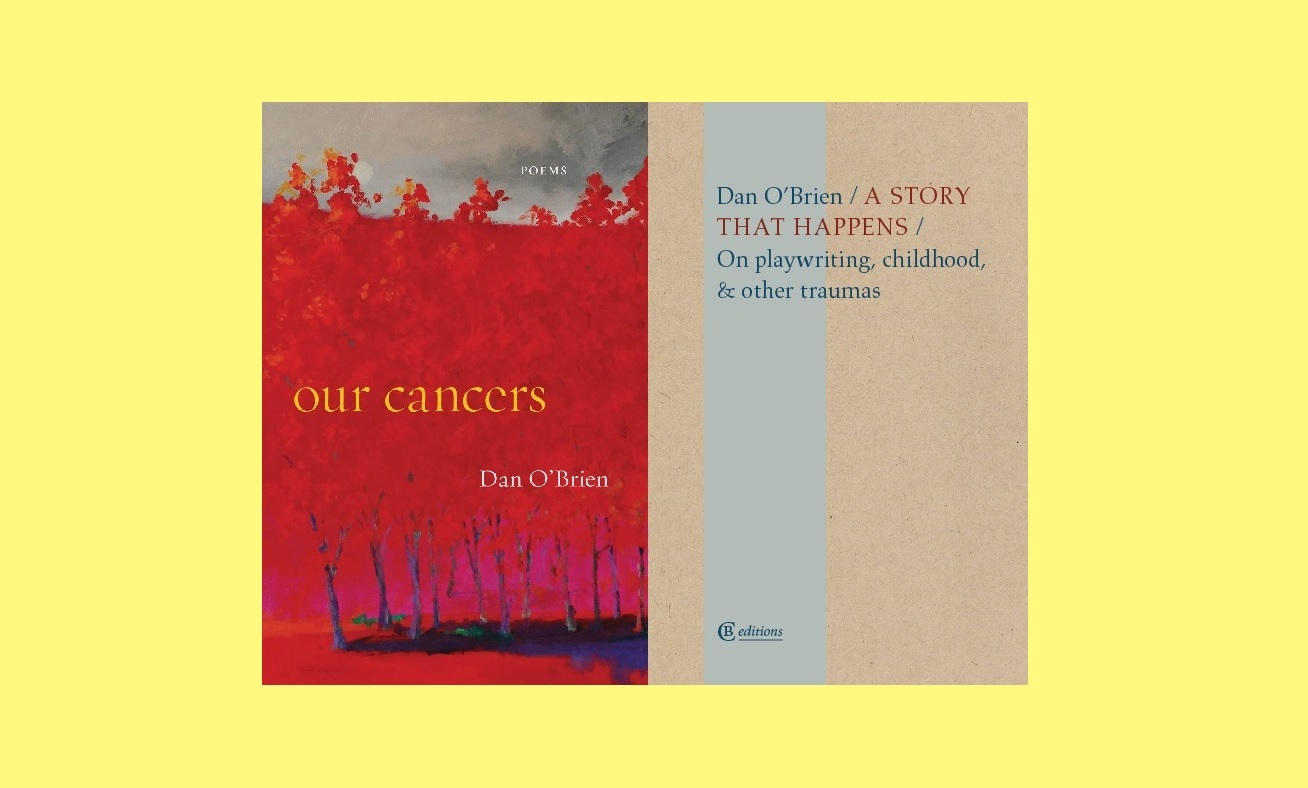
‘Parts of us regenerate, others don’t’: On Dan O’Brien
James Peake The photojournalist and Pulitzer-prize winner, Paul Watson, is a friend, collaborator and in “complicated ways, almost family” to the poet and playwright Dan O’Brien. He tells O’Brien that “people don’t notice how quickly we die”. You might expect such from someone who has successfully reported on some of the…
-
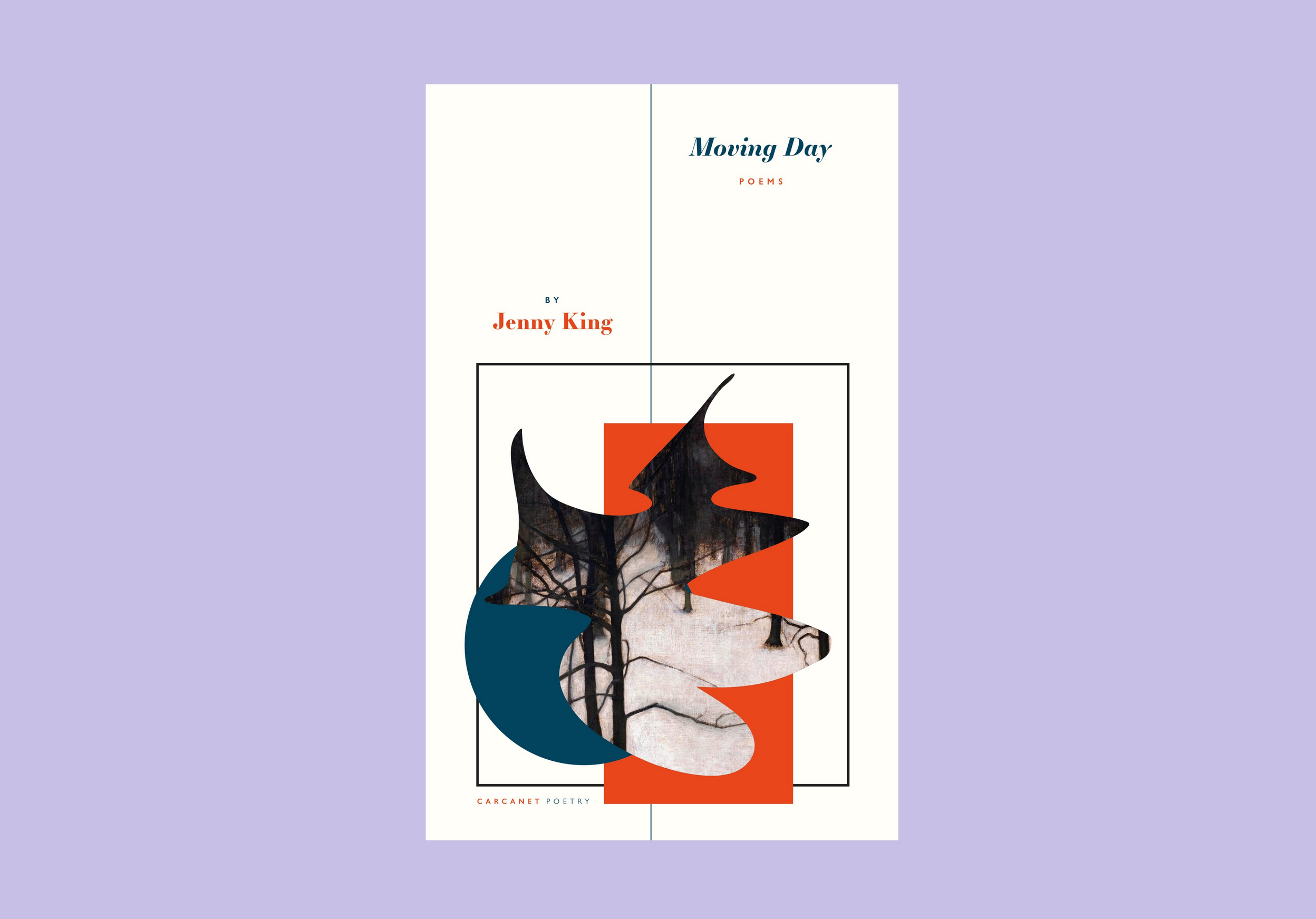
On ‘Moving Day’ by Jenny King
Regina Weinert “Jenny King was born in London during the Blitz and wrote poetry from childhood”, start the short biographical notes in King’s second and third pamphlets, Tenants and Midsummer, published by smith-doorstop in 2014 and 2020 respectively. Her first pamphlet, Letting the Dark Through, appeared in 1981 from the Mandeville Press. Fortunately, we now have…
-

On ‘High Desert’ by André Naffis-Sahely
Richie McCaffery It’s been a long time since I enjoyed a collection of poetry as much as André Naffis-Sahely’s new offering, High Desert (Bloodaxe, 2022). That said, ‘enjoy’ isn’t quite the mot juste, for while there is at times dark humour here, these are unapologetically serious poems about serious subjects. Perhaps it’s…
-

On ‘Glut’ by Ramona Herdman
Matthew Stewart It might initially seem snide or negative to suggest that a poet’s work is best represented by their idiosyncratic use of one specific punctuation mark, as if the reviewer were hinting at a tic, the reoccurrence of which has failed to be spotted and excised during the editorial process. However,…
-
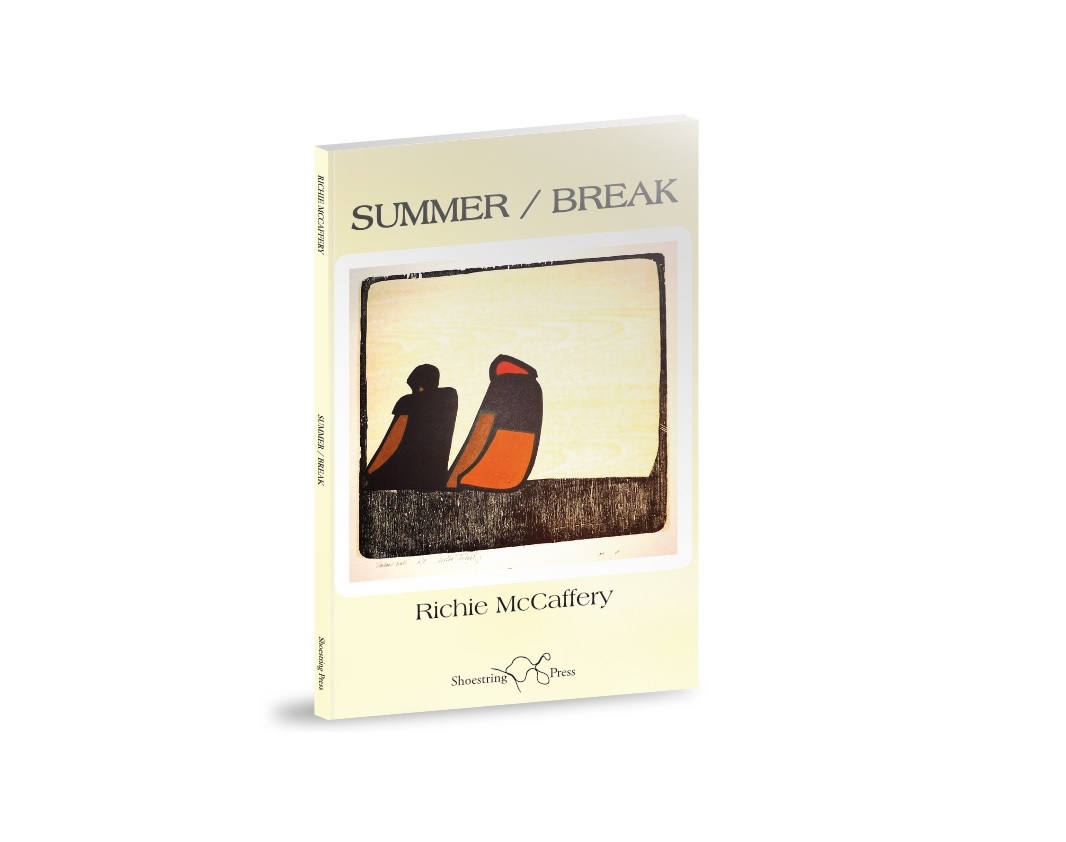
On ‘Summer/Break’ by Richie McCaffery
Declan Ryan Richie McCaffery’s third collection, Summer/Break (Shoestring, 2022), is one of quiet peril. Everywhere one looks there is a quest, however forlorn, for salvation, a desperation and sense of shipwreck, belied by – or at least running counter to – the poet’s formal and syntactical control. In apparently calm, usually conversational…
-
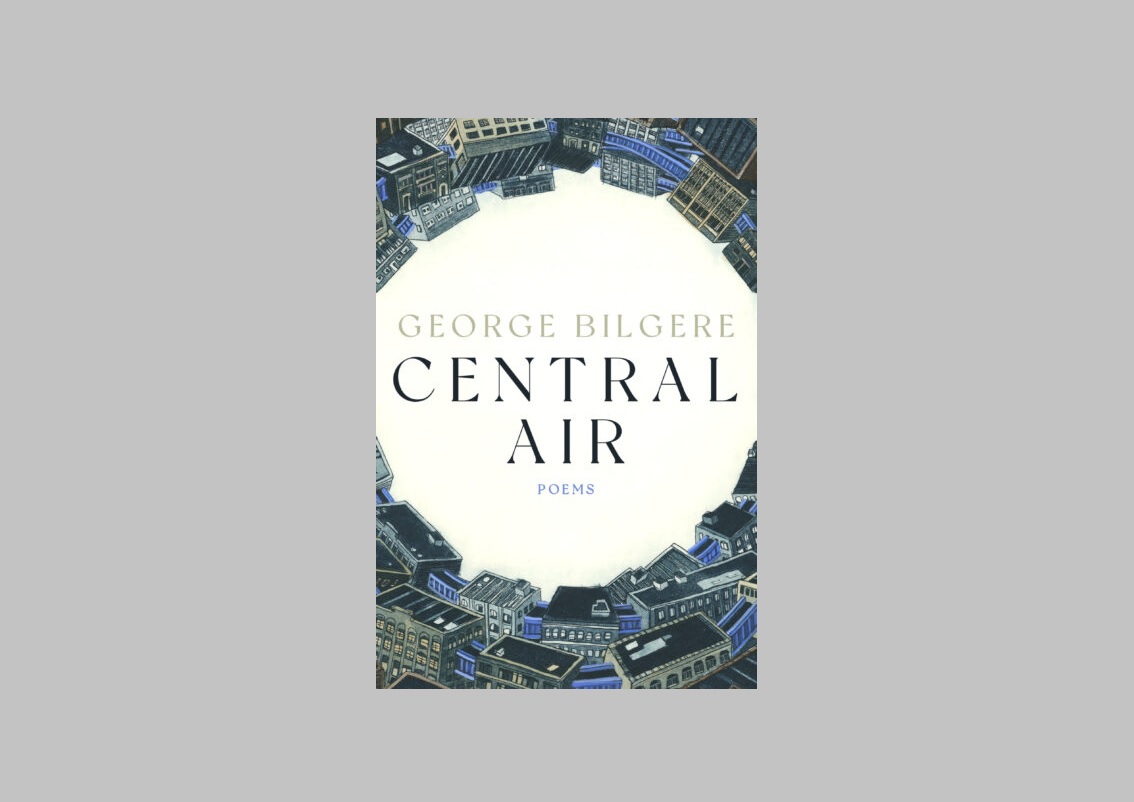
On ‘Central Air’ by George Bilgere
Neil Elder In America, George Bilgere is widely published and revered, winner of a Pushcart Prize and a regular in many of the best journals. How his work has not managed to cross the Atlantic is a mystery, given the fact that his themes and concerns are universal, his poetry sings with clarity.…
-
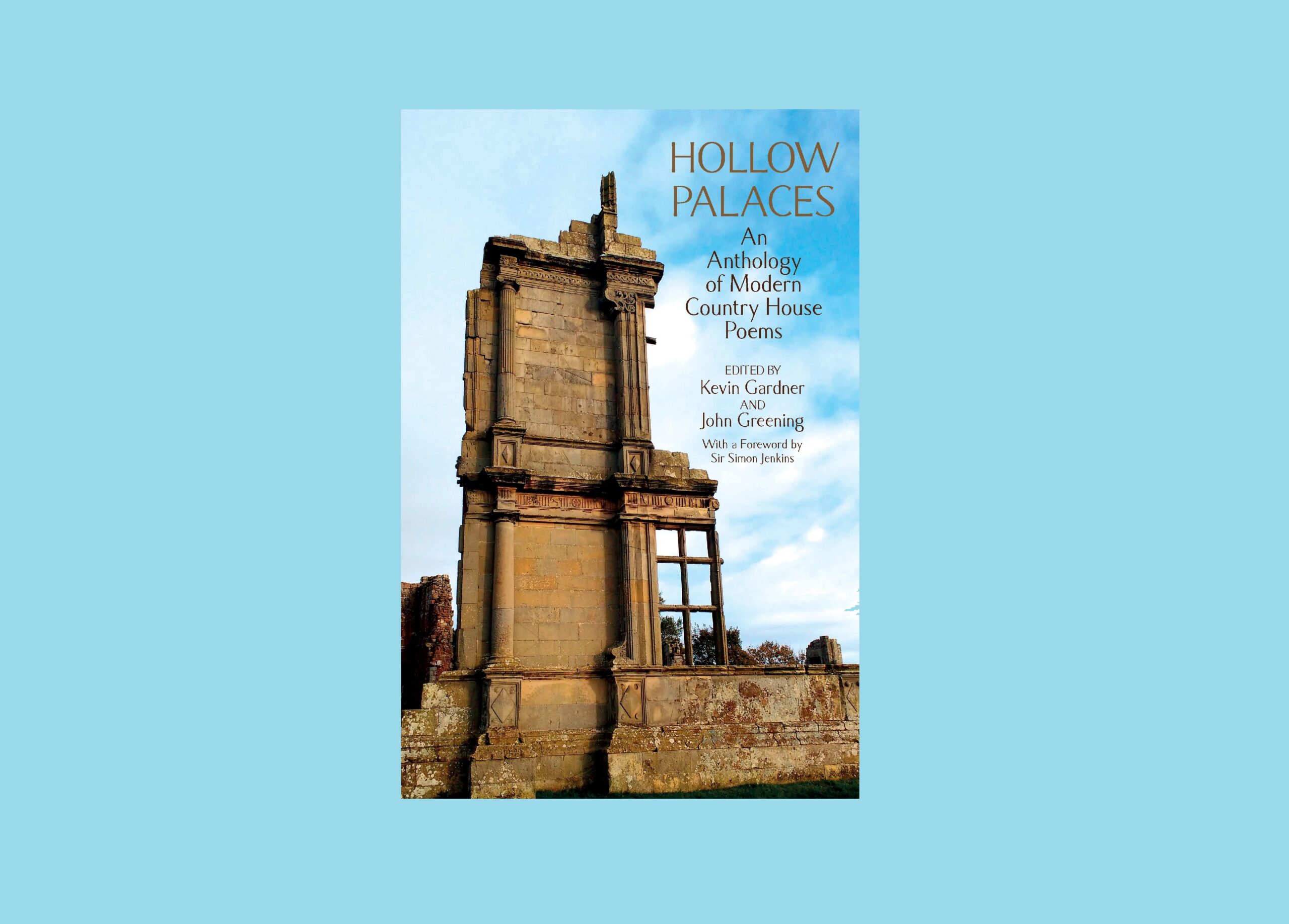
On ‘Hollow Palaces: An Anthology of Modern Country House Poems’
Rishi Dastidar An odd place to start but bear with. The Fence, a new-ish, waggish magazine (think Private Eye meets Popbitch) shared the following snippet in a recent newsletter, reporting the Keystone Cops-esque plotting of some various lords and ladies to ensure Brexit got done: Obsequiousness reigns: Prins writes to Salisbury…
-
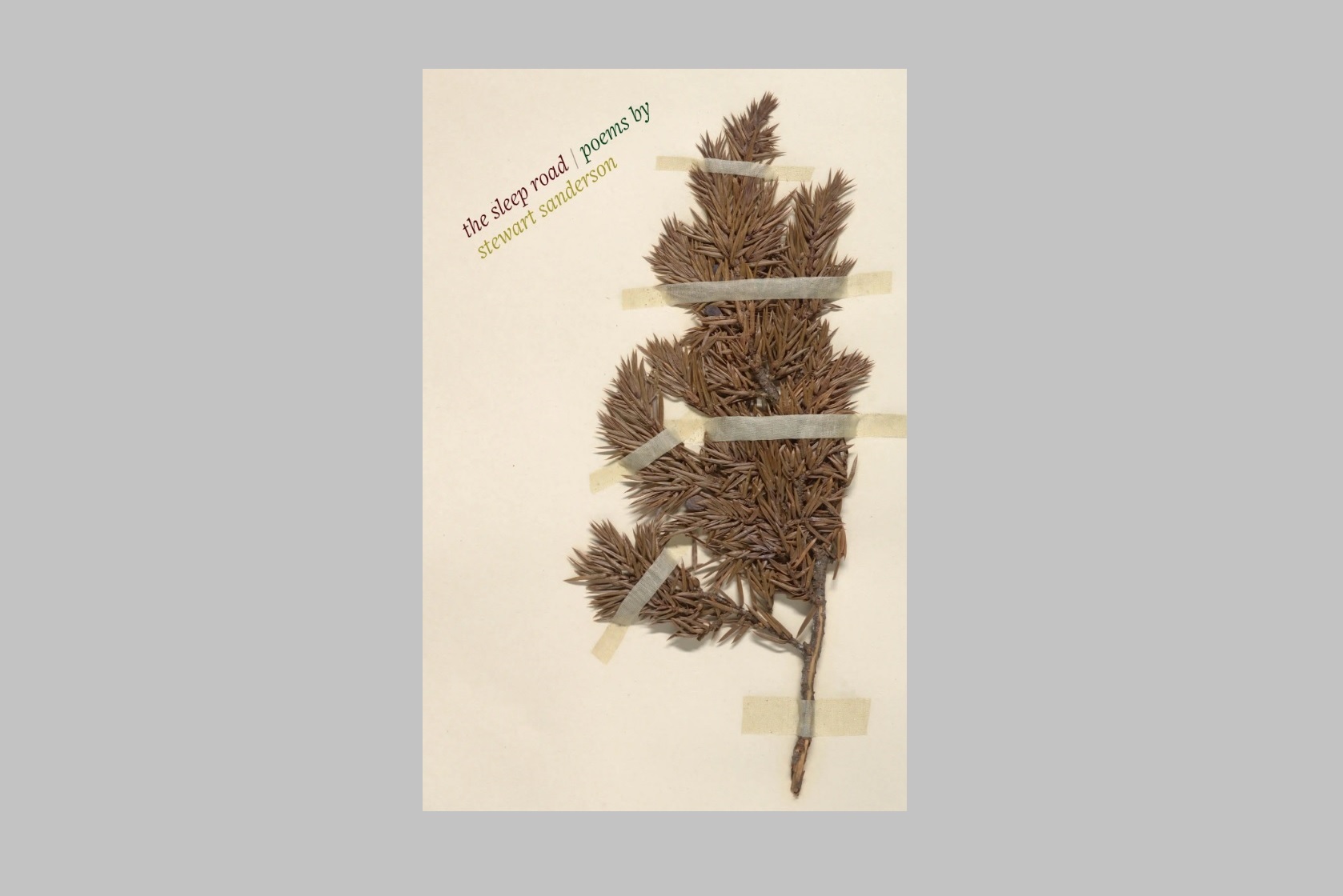
On ‘The Sleep Road’ by Stewart Sanderson
Matthew Stewart In his first full collection, The Sleep Road (Tapsalterie, 2022), Stewart Sanderson addresses several issues that are currently popular among many poets of his generation: the relationship between the human and natural worlds, the role that history plays in understanding the present, and an examination of national identity. Nevertheless,…
-
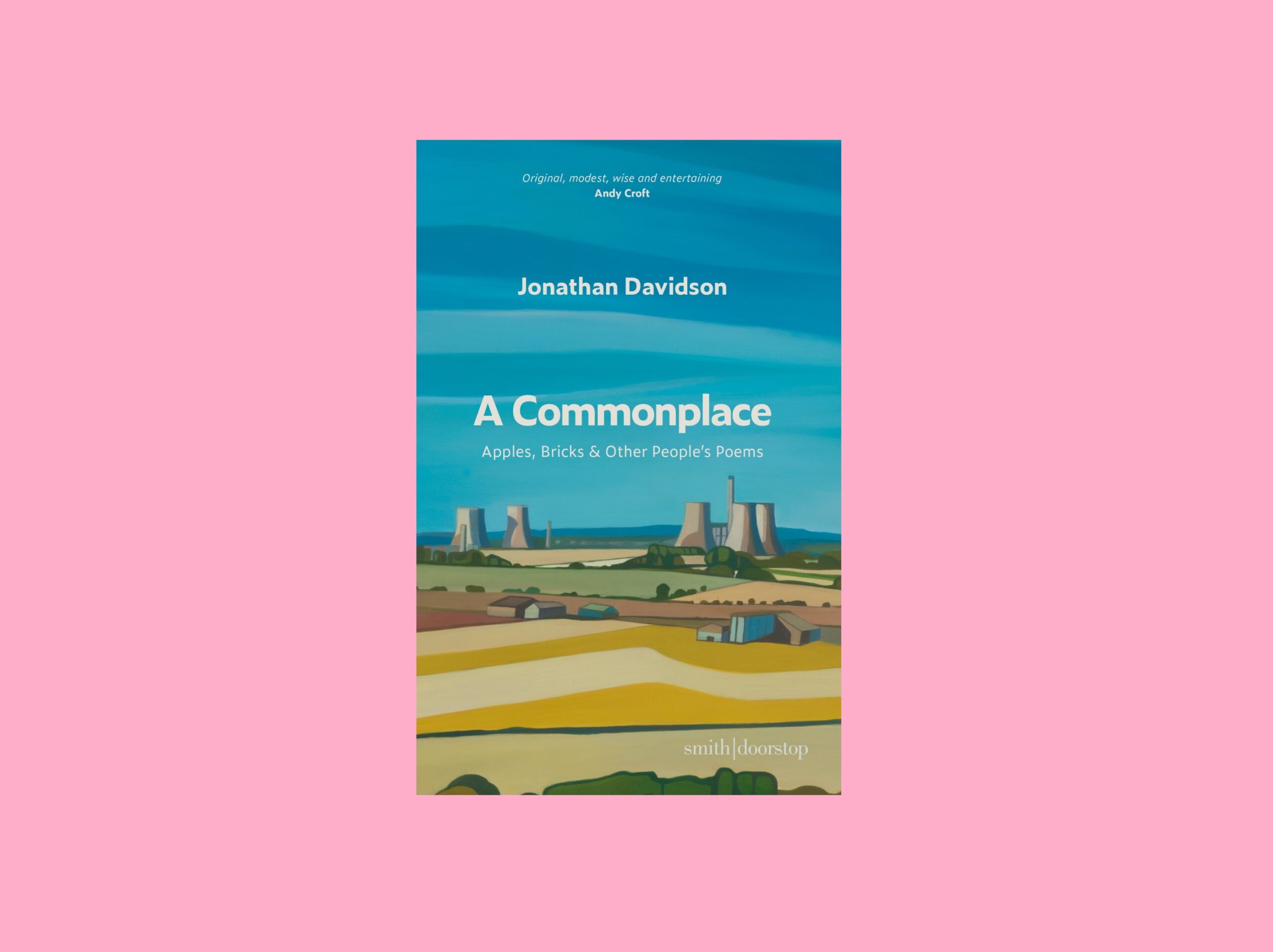
A statement for the importance of poems in a life: on Jonathan Davidson’s ‘A Commonplace’
Daniel Bennett A sense of place abounds in Jonathan Davidson’s A Commonplace (Smith-Doorstep, 2020), and while that might seem natural from the title, the ‘place’ here derives from a translation of the Latin term ‘locus communis’ or ‘a general or common topic’. Commonplace books were collections of sayings, proverbs or quotations on…
-
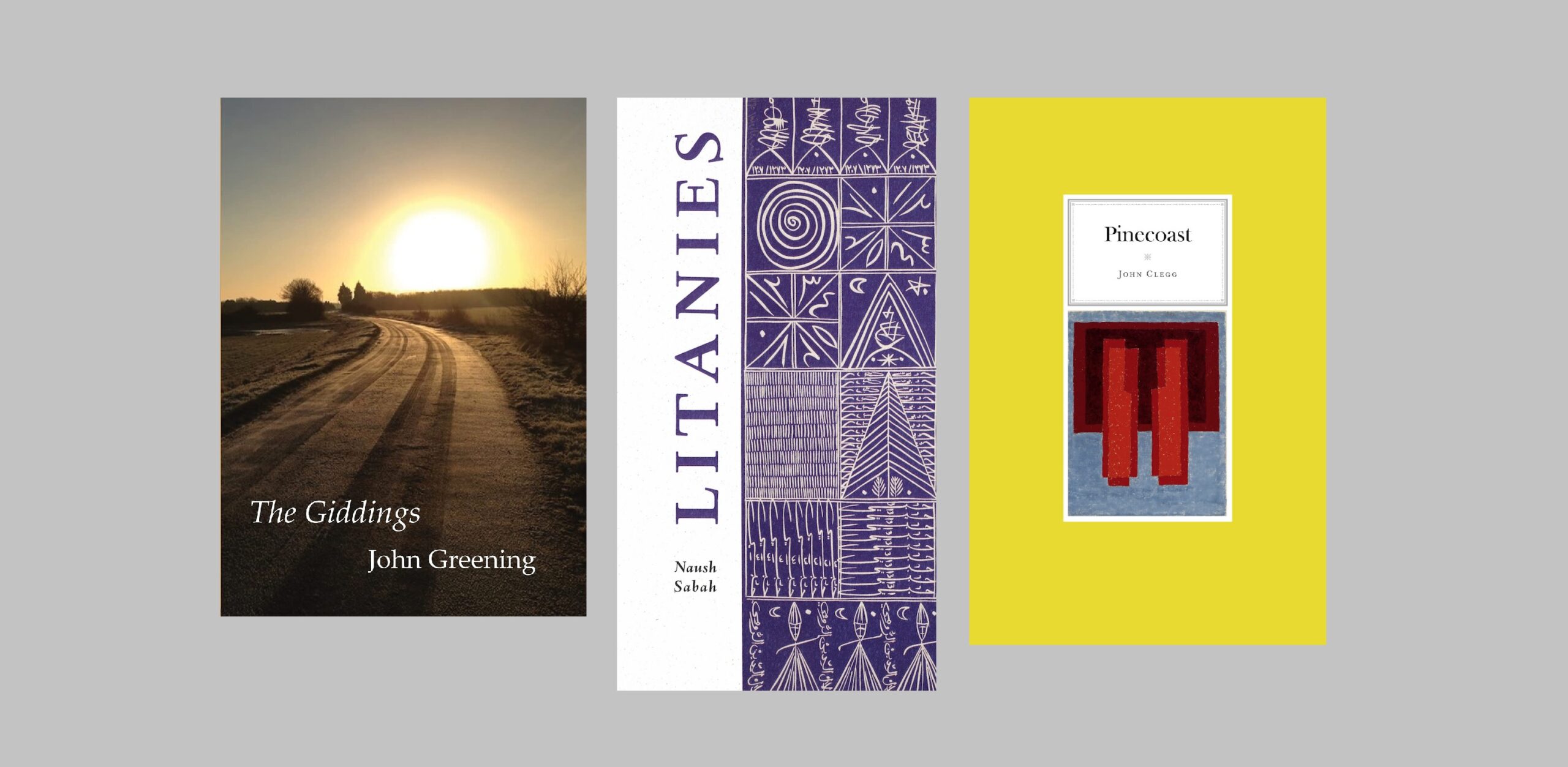
Three pamphlets reviewed by Richie McCaffery
Richie McCaffery It is apt that John Greening recently edited the Carcanet selection of Iain Crichton Smith’s poems. There’s an anecdote that does the rounds in Scottish literary circles, probably apocryphal, which goes: Norman MacCaig was walking down the street in Edinburgh and he sees a friend, so he stops them and…
-
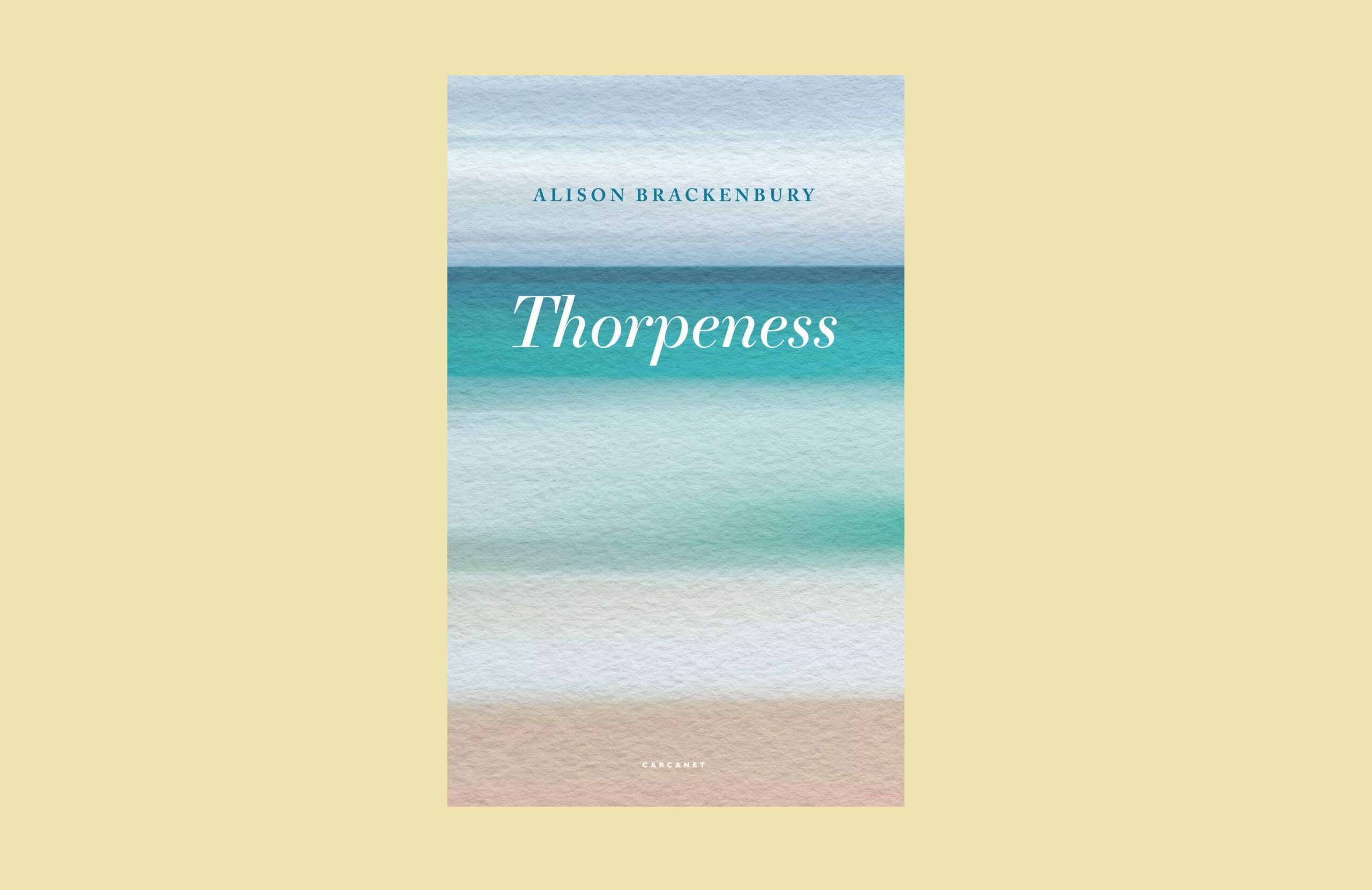
Pushing her own boundaries: on Alison Brackenbury’s ‘Thorpeness’
Matthew Stewart Alison Brackenbury’s new collection, Thorpeness (Carcanet Press, 2022), provides a perfect rebuttal to Larkin’s notorious disavowal of a poet’s obligation to develop. This might be Brackenbury’s eleventh full collection, but it does show an indisputable progression. All Brackenbury’s renowned qualities remain present in Thorpeness, such as her mastery…