Harry Grout on Unsplash
Zaban i urdu
Zaban i urdu, meaning language of the camp.
In Urdu, here is idher or yahan.
There is udher or wahan.

          We drive through a town. My father says,
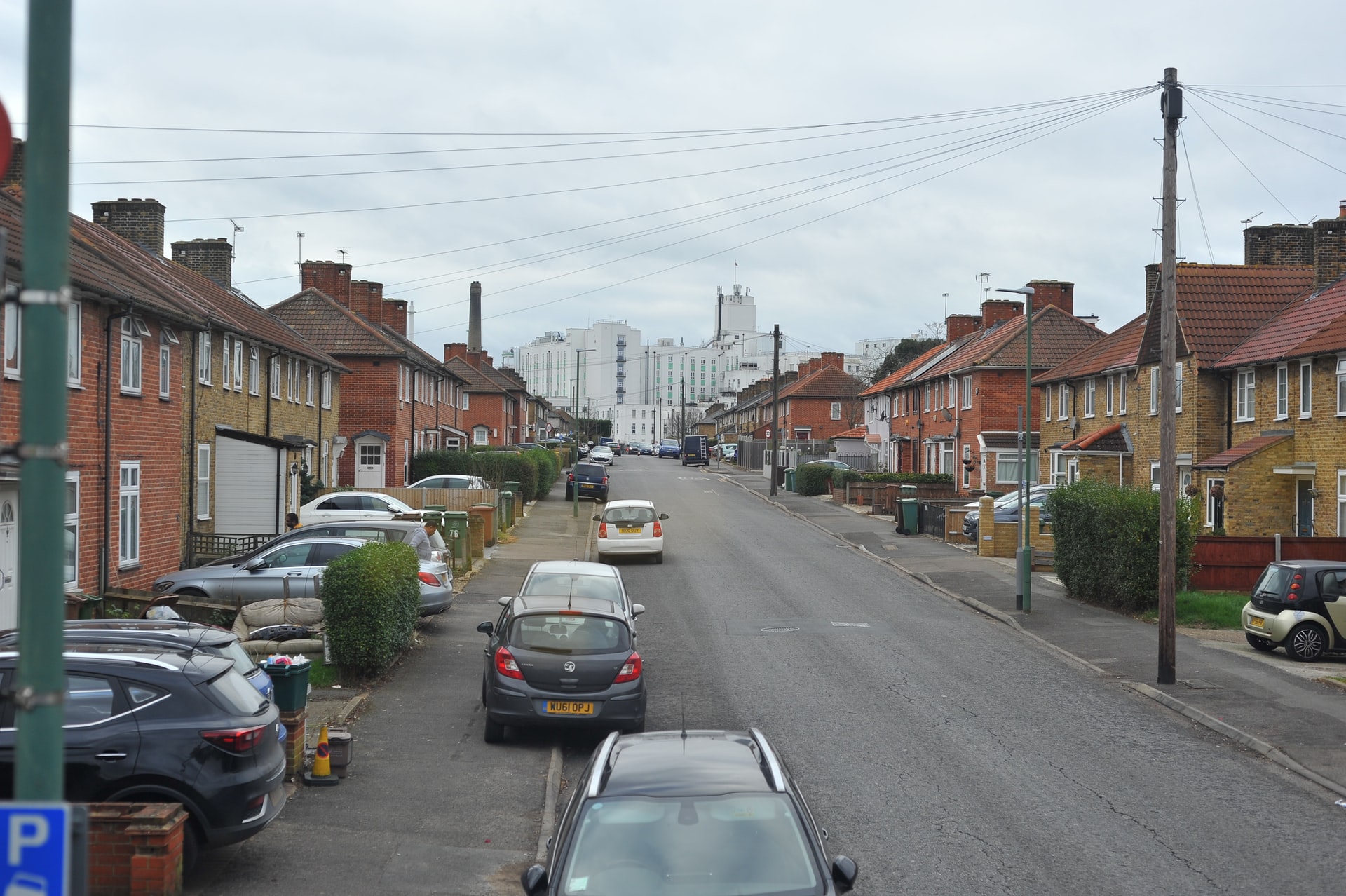
          We lived here when we first came to England.
          Temporary lodging. A street of houses low

to the ground. About returning to India,
my mother tells a cousin, We will not
go back there like we planned. Home’s fading

          origin. Urdu from the Turkish word ordu,
          an army. Horde/order/ordu/Urdu.
          Watching Gladiators on TV as a boy,

I copied the pose Phoenix made before an event.
One palm by my ear, the other on my hip,
I shifted weight for my parents.

          Every year I was sent to cricket training
          praying my arms would fix like wickets or alifs.
          A curved line, an extravagant gesture, Sontag notes.

Also, Camp and tragedy are antithesis.
People are asking about you
said my father from deep cover,

          meaning what respectable reason
          can reach the sensitive ears of our community
          explaining this long a bachelorhood?

Now, dates are a problem
with men single-minded as soldiers.
No camp in camp.

          You’re so butch, a renegade mocks one morning
          as I roll out of his bed to head to the gym.
          In the question of who is and who isn’t,

the meaning shifts after headaches
and arm squeezes to hypertensive.
The doctor shows me a diagram of a heart

          in which a red arrow winds,
          ricocheting off sides,
          as it passes through.

There is an internal, irresistible language:
a buzzword, Ramipril, to unlock
no mellow passage of blood.

          I assemble grains and greens
          and a running regime that takes me
          on a loop of neighbourhood pavements,

trying to make as few stops
and as many gasping steps as possible,
until I’m home.