Reviews
-
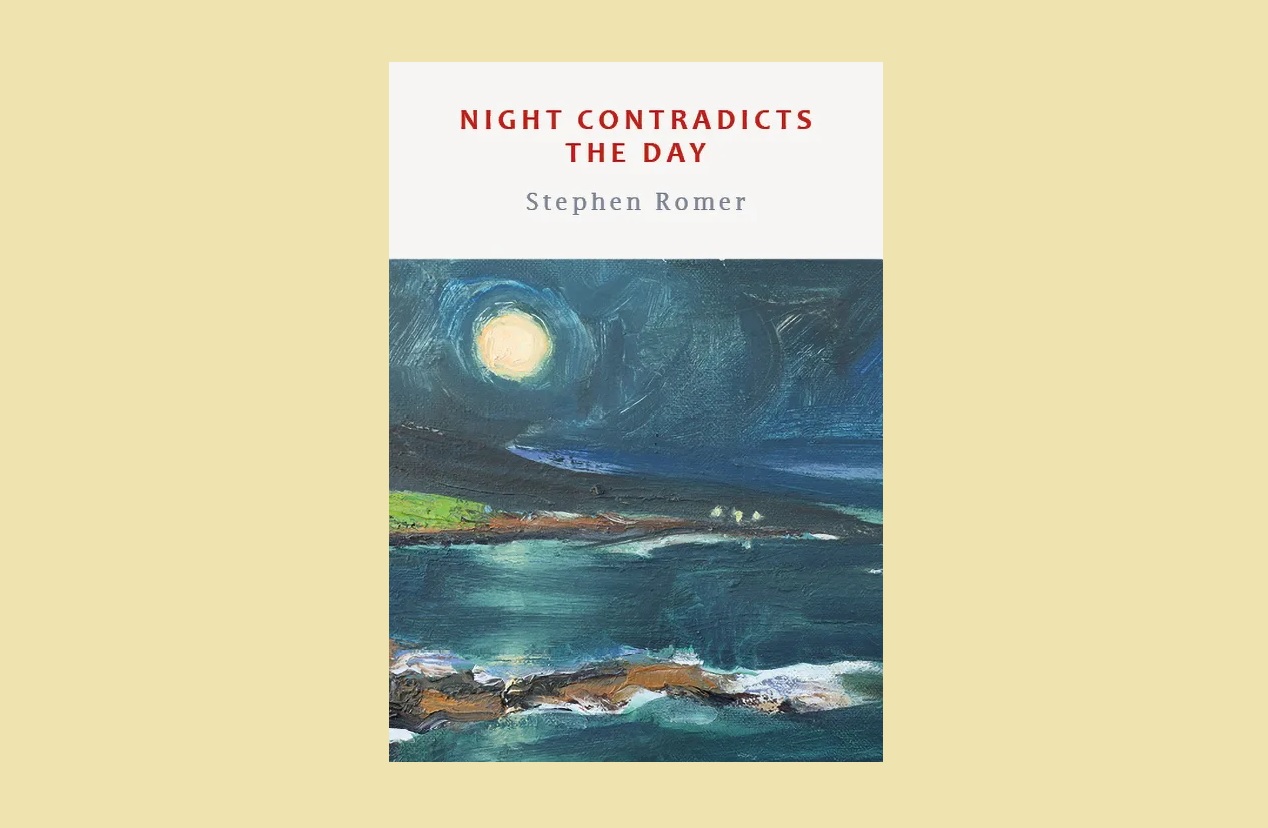
Carving Out Refuges: on Stephen Romer’s ‘Night Contradicts the Day’
Nicola Healey Stephen Romer’s Night Contradicts the Day (Dare-Gale Press, 2026) comprises just five poems yet has more power than many full collections. In this very moving, personal sequence of poems, the narrator holds careful vigil over an isolated loved one’s protracted mental suffering, whose fragile, volatile hold on life and equilibrium destabilises both…
-

Sustained Acts of Retrieval: on Paul Munden’s ‘Peckinpah Poems’
Oliver Comins Sam Peckinpah was a filmmaker whose ‘best skill’ was creating movies. Of one of his most famous films, The Wild Bunch (1969), he said: ‘I wasn’t trying to make an epic. I was trying to tell a simple story about bad men in changing times.’ Paul Munden’s poem characterises the epic amount…
-
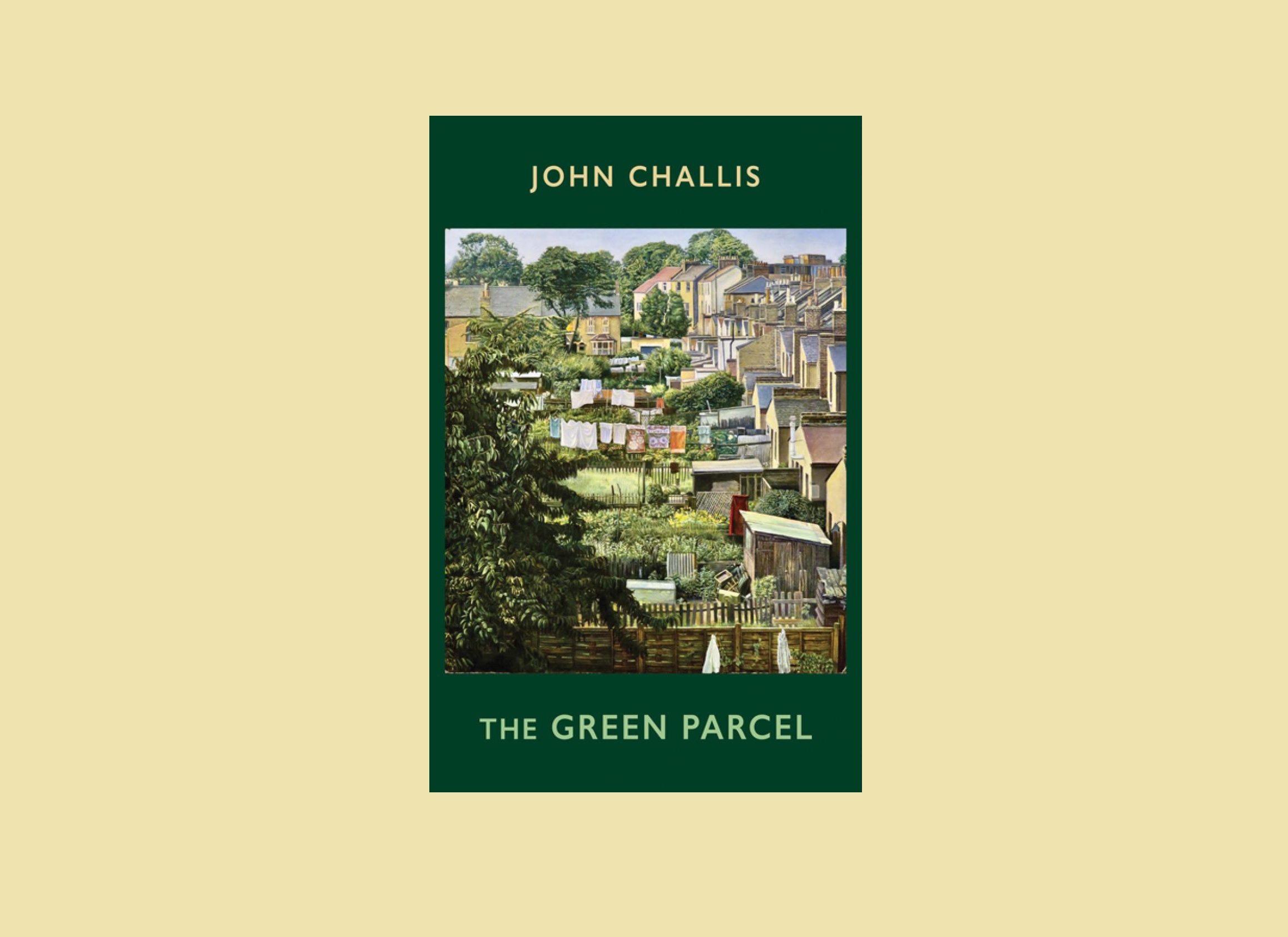
A Sacred Interest: on ‘The Green Parcel’ by John Challis
Patrick Davidson Roberts Having continued to get older to such a degree that I’ve stopped pretending I’m not taking it personally, and having moved house in the past year, the periodical time has come for a chucking-out of trash and a debunking of several aphorisms that are taking up space in my life that…
-
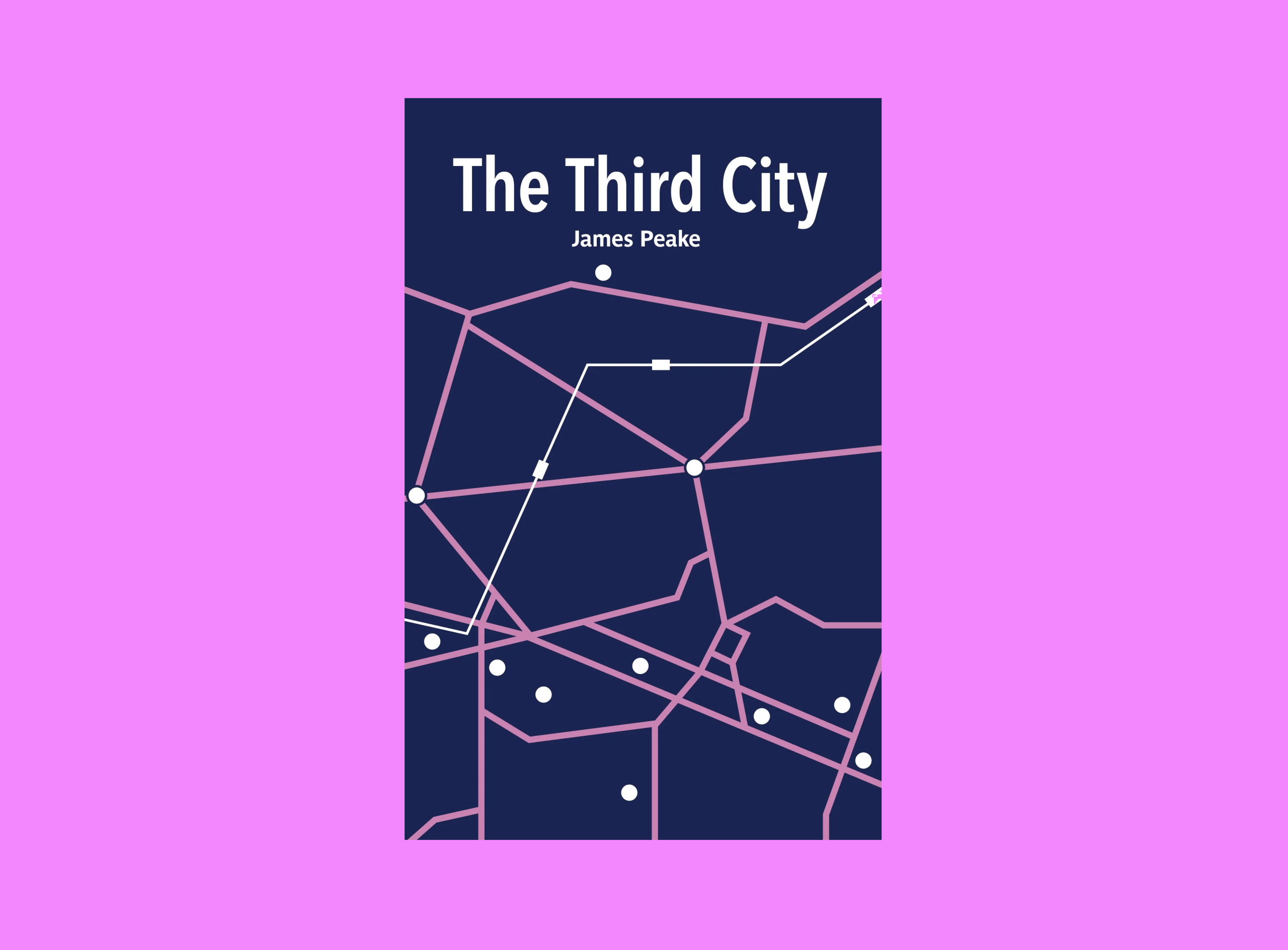
Pithy and poised: On James Peake’s ‘The Third City’
Daniel Bennett James Peake’s third book, The Third City (Two Rivers Press, 2025), is a short collection of around 40 pages, but it represents a fifteen-minute city of intimacy and history. I liked the use of the first person in the work here, the sliding sense of someone who is there but always ahead…
-
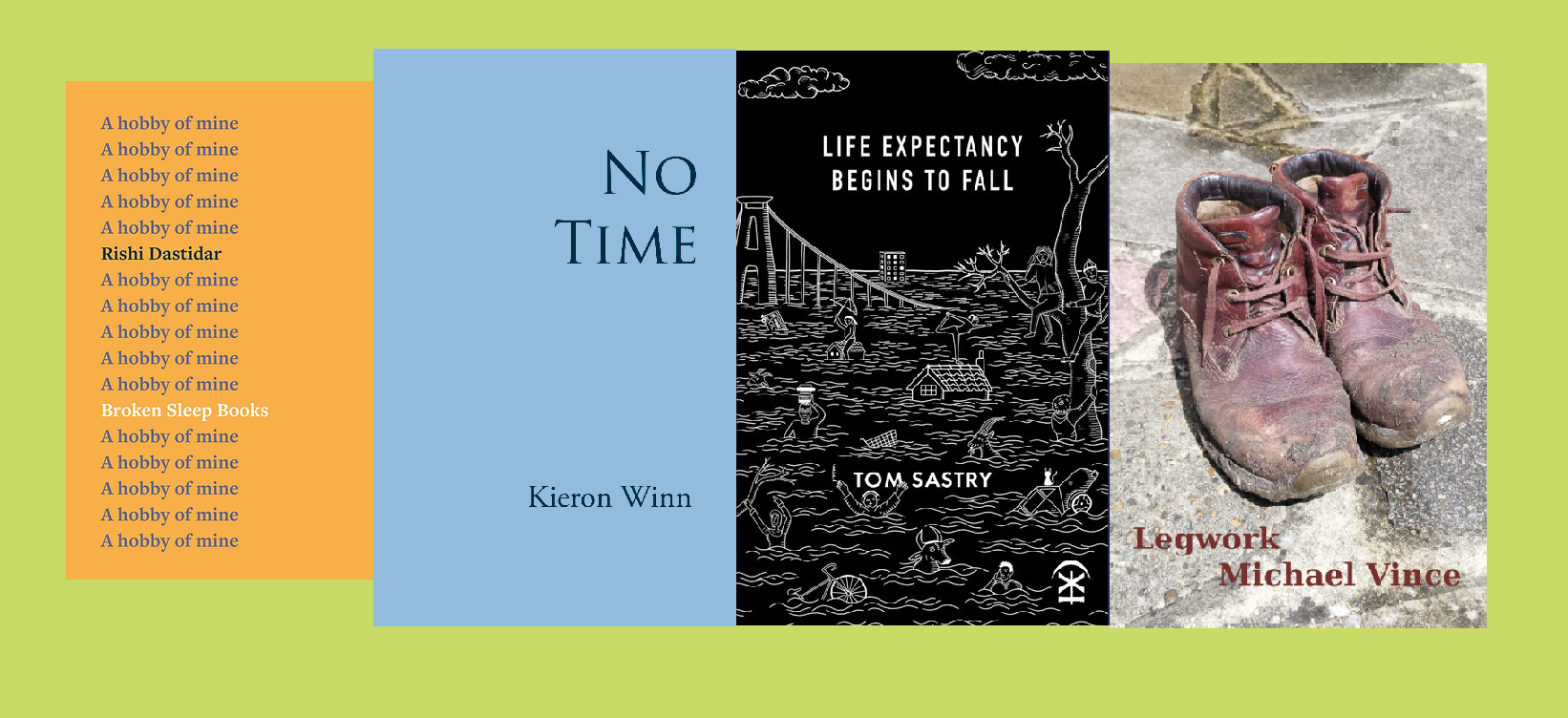
A Hobby of Existence: on Dastidar, Sastry, Vince, & Winn
Kevin Gardner According to the randomness of the laws of the universe, or at least of the postal service, I will occasionally receive by mail, in quick succession, review copies of poetry books that have very little in common with each other in terms of form and subject. My instinct is to treat them separately,…
-
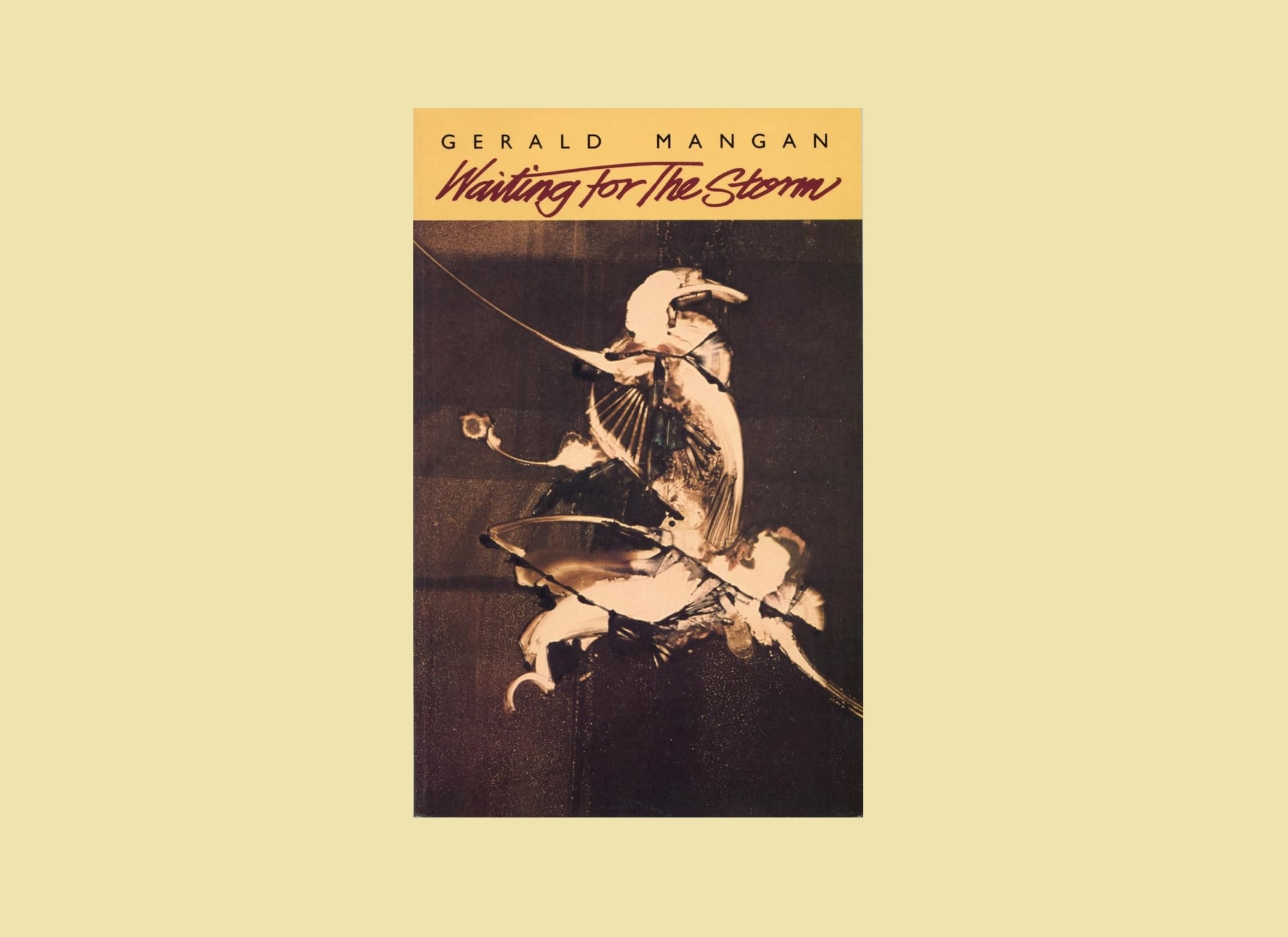
‘One of the best Scottish poets of his generation’? – On Gerald Mangan
Matthew Stewart How many individuals really do manage to produce outstanding work in more than one medium of the arts? Very, very few is the inevitable answer – but Gerald Mangan might well be one of them. Mangan, born in Glasgow in 1951, is known not only as a playwright and actor, but is also…
-

From the shires: on Greening, Richardson, Branfoot, Self, & Nevett
Kevin Gardner Contemplating the literary significance of Huntingdonshire, that county that no longer exists outside memory and imagination, John Greening was reminded of all the poets who left their mark, perhaps none more poignantly than John Clare. “Clare’s poems,” he writes, “conjure the particularities of these clustered Midland shires, what is at our feet, the…
-

Causes in time: on ‘Thom Gunn – A Cool Queer Life’ by Michael Nott
Andre Bagoo Michael Nott’s Thom Gunn: A Cool Queer Life (Faber, 2024) begins with the seed of an idea. Over the course of its 720 pages, that seed builds into an overwhelming crescendo. The idea, never stated but left to interpretation, is this: the death of Gunn’s mother by suicide when he was just 15…
-

Wit and wordplay: ‘After You Were, I Am’ by Camille Ralphs
Kevin Gardner Divided into three discrete units, Camille Ralph’s After You Were, I Am (Faber, 2024) transports the reader into a warped revisioning of the seventeenth century. The first section recasts poems, prayers and scripture into a ‘Book of Common Prayers’. The second section, ‘Malkin: An Ellegy in 14 Spels’, comprises a set of dramatic…
-

‘You must live through hell’: On Survivor’s Notebook by Dan O’Brien
Nicola Healey Survivor’s Notebook (Acre, 2023) interrogates the aftermath of Dan O’Brien’s recovery from cancer. A memoiristic sequence of prose poems, it forms a companion to Our Cancers (Acre, 2021; reviewed by Wild Court here), which recorded how O’Brien and his wife, Jessica St. Clair, both developed cancer in close succession – possibly due to…
-

Paths chosen and unchosen: on ‘Downland’ by Anna Dillon and Jonathan Davidson
David Clarke For those of us who have been following Jonathan Davidson’s work in recent years, each new book has brought with it the prospect of another (often unexpected) push against the boundaries of what a book of poems, or indeed a book about poetry, can be. This is a writer who is clearly no…
-

Breviloquent power: ‘House on the A34’ by Philip Hancock
Richie McCaffery House on the A34, Philip Hancock’s second collection with CB editions, is a book of breviloquent but powerful poems, carefully constructed with a craftsman-like attention to detail about the neglected and the interstitial. Take, for instance, the proud but also poignant character study of ‘Old Bruce’: Holding up trafficby walking in the road,still…
-
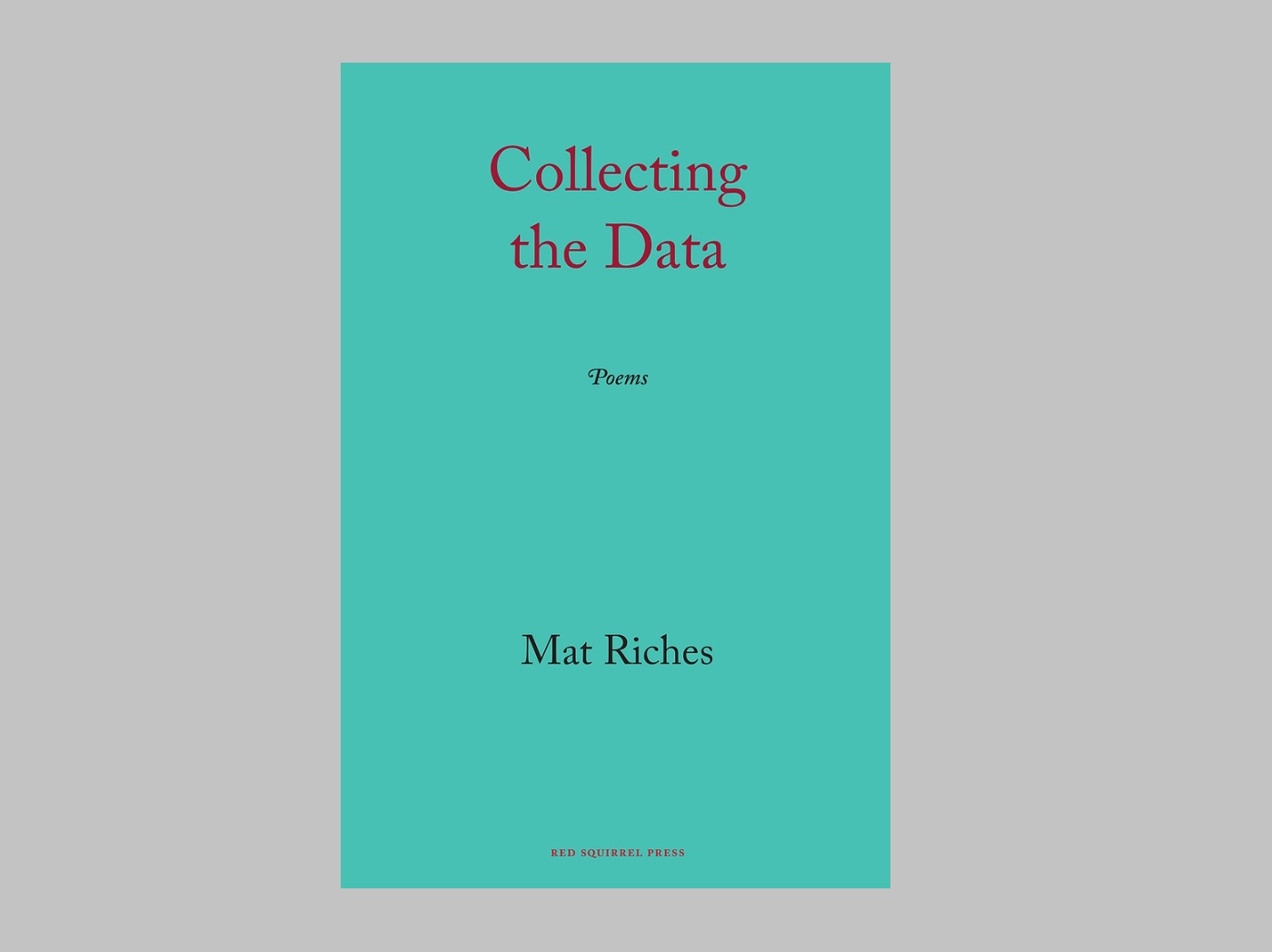
A Scholar of the Everyday: on ‘Collecting the Data’ by Mat Riches
Christopher Horton Collecting the Data (Red Squirrel Press, 2023) is a pamphlet that decrypts everyday experiences, observing in them both the complex and the sublime as an integral part of the poet’s coming of age. These experiences constitute a kind of life-induction programme for Riches that at times comes across as almost predestined, as is…
-
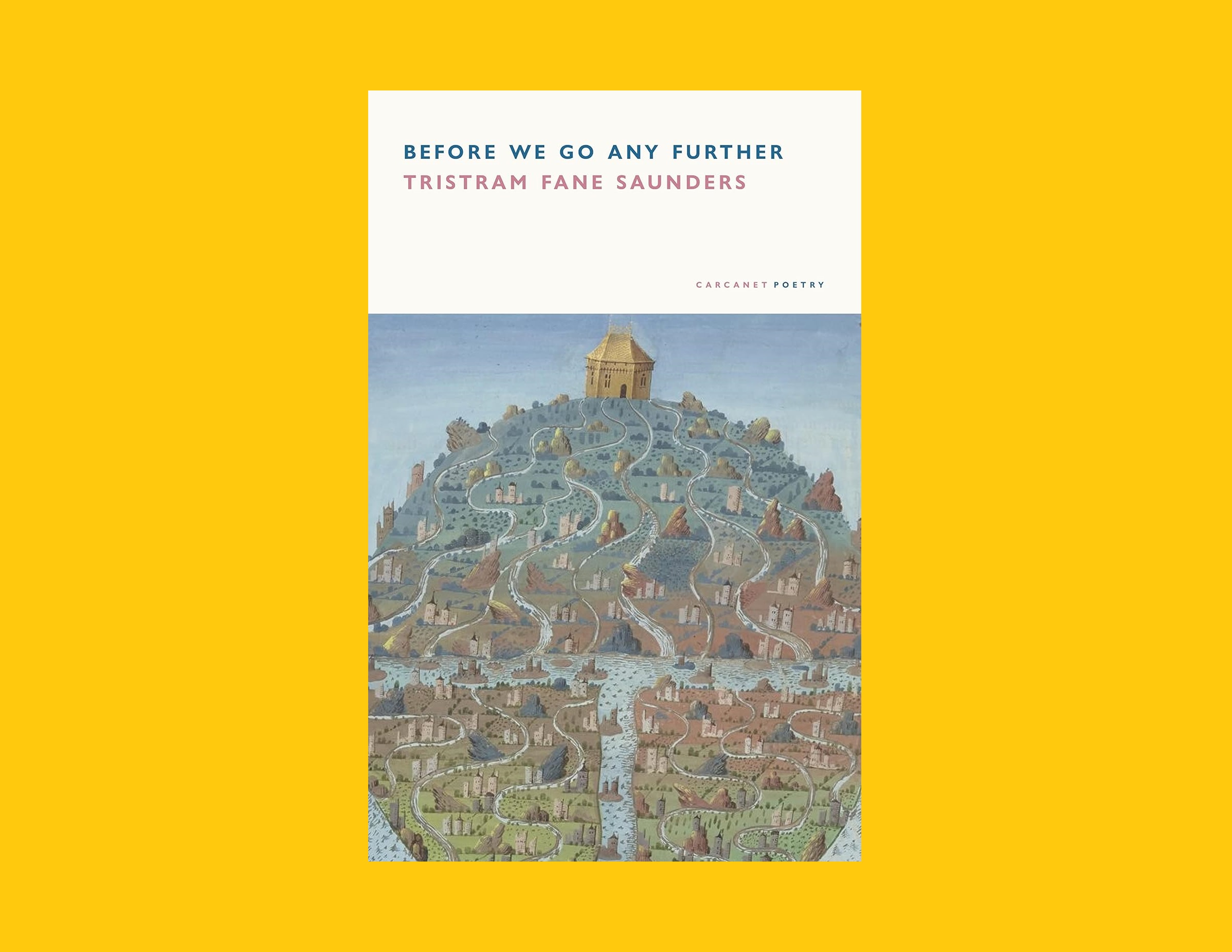
The sound of hope: ‘Before We Go Any Further’ by Tristram Fane Saunders
Kevin Gardner Imbedded in the heart of Before We Go Any Further (Carcanet, 2023) is a wickedly subversive sequence, “Five Songs on a Cruel Instrument”, purporting to contain translations of neglected medieval manuscripts – a ballad from the Anglo-Saxon, a Welsh elegy, an Irish drinking jig, and so forth. The songs, “translated” by the recently…
-

Lie down and be counted: on Geoff Hattersley’s ‘Instead of an Alibi’
Dane Holt I discovered Geoff Hattersley in 2019, after reading Wayne Holloway-Smith’s poem ‘Some Waynes’ in an issue of Poetry magazine: ‘a cavalcade of Waynes fucking each other up in a Geoff Hattersley poem – in a pub, in Barnsley.’ I was born about 30 miles from Barnsley. I mention this because I used to…
-
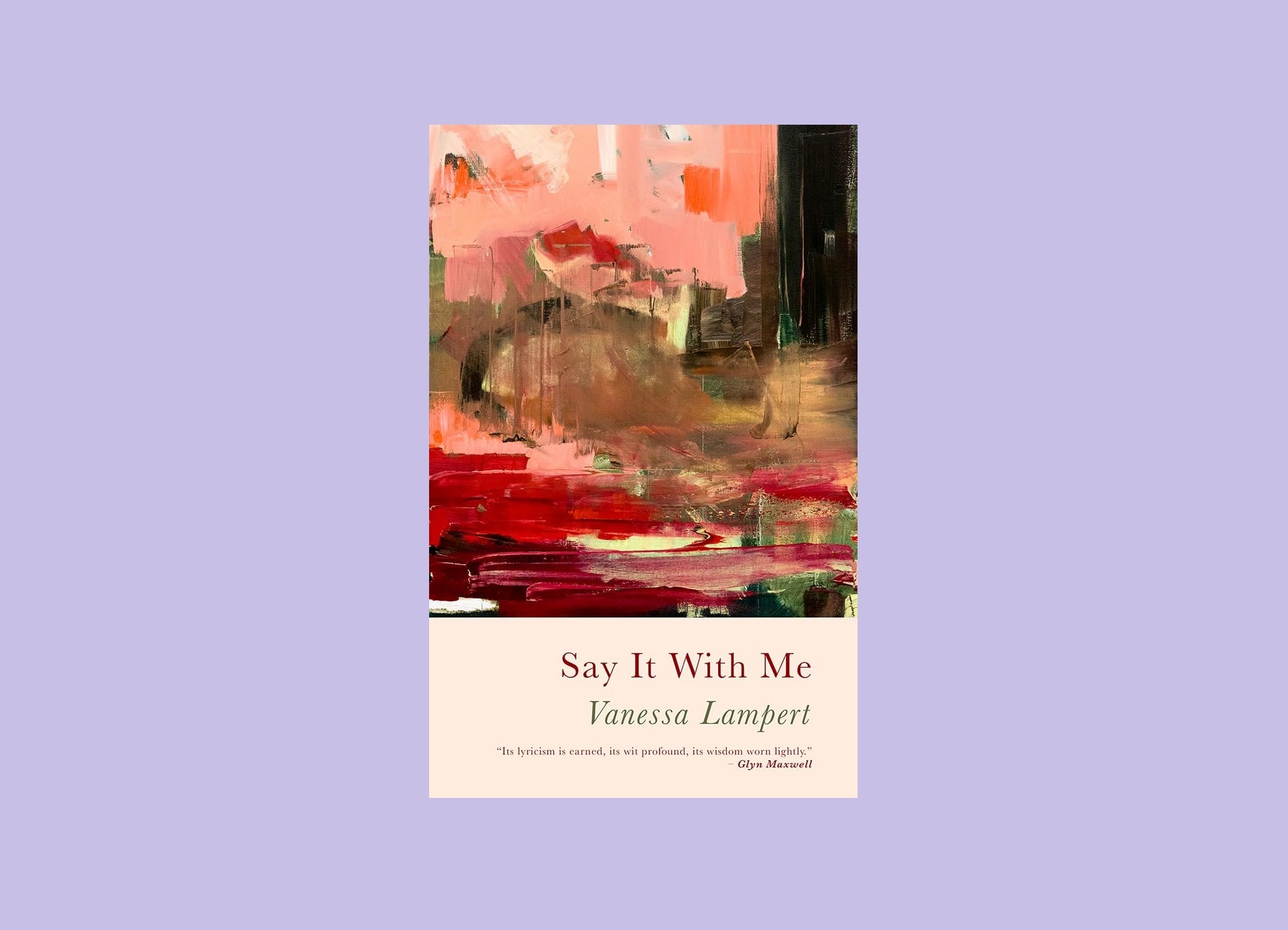
What being human entails: on ‘Say It With Me’ by Vanessa Lampert
Christopher Horton In Say It With Me (Seren, 2023), Vanessa Lampert’s poems, at first, immerse themselves in familial, domestic subject matter before revealing darker themes underlying everyday routine. By way of example, in ‘Halloween’, a visit to her ailing stepfather, and a shared joke with him, infers uncertainty in relation to the speaker’s historic relationship…
-

Beauty before Age: on Seán Street, Michael Vince, & Tony Connor
Kevin Gardner The books reviewed here come from three well established and accomplished poets, whose first collections appeared, respectively, in 1976, 1978, and 1962. Unsurprisingly, all three opt for traditional structures rather than formal ingenuity, and no one is likely to use the word ‘ground-breaking’. Without the distraction of structural variation, however, the words themselves…
-
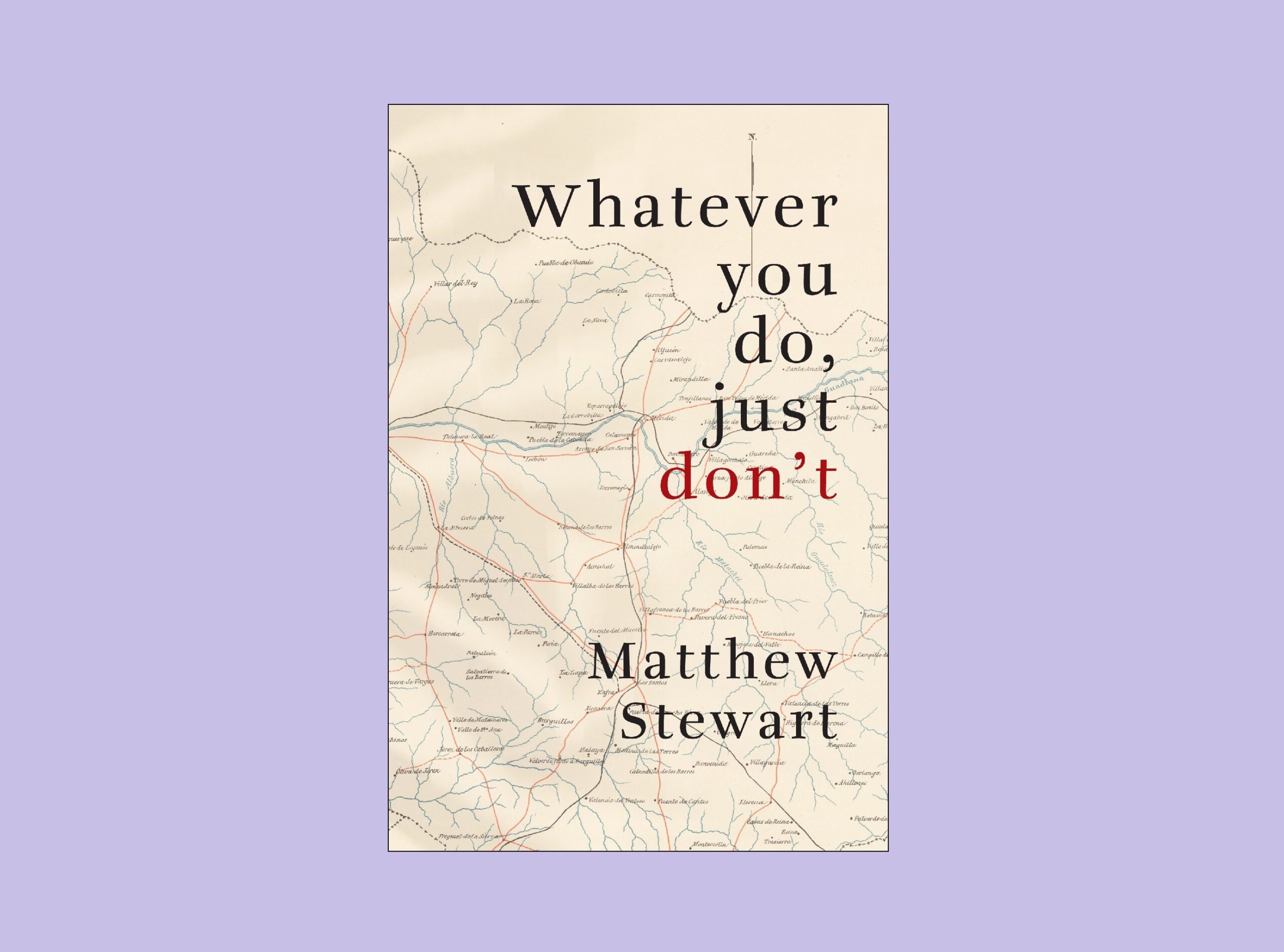
Measured economy: ‘Whatever You Do, Just Don’t’ by Matthew Stewart
Matthew Paul Admirers of Matthew Stewart’s first collection, The Knives of Villalejo (Eyewear, 2017), will undoubtedly remember how its intense, tightly compressed poems navigated the overlaps and tensions between memories of his upbringing in Farnham, deep within ‘Stockbroker Belt’ Surrey, and the adult life he’s made, as a wine-trader in Extremadura, with his wife and…
-
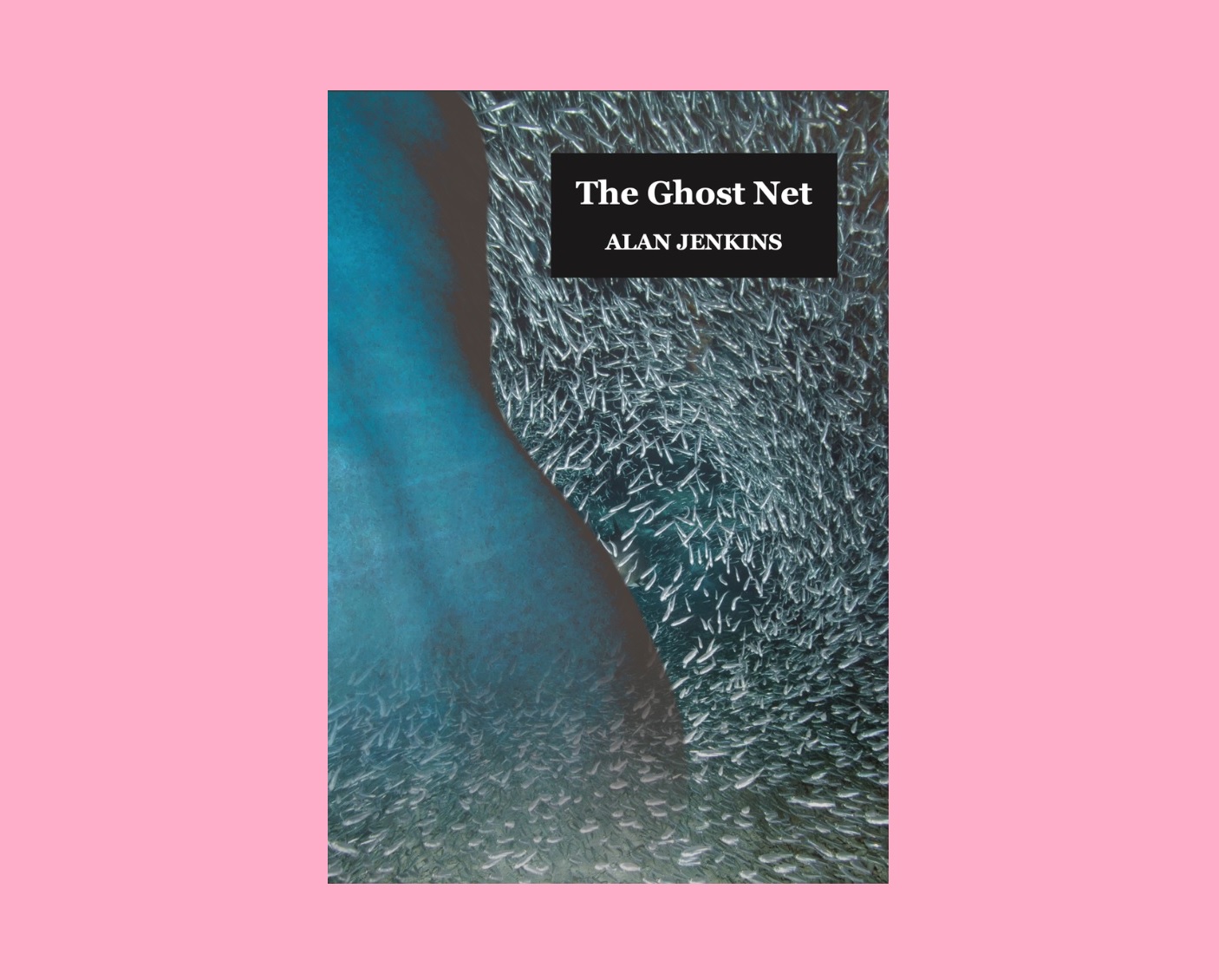
A Romantic two centuries late: ‘The Ghost Net’ by Alan Jenkins
Richie McCaffery The Ghost Net is Alan Jenkins’s eighth book-length collection and the first full collection from New Walk Editions, marking a very auspicious new venture for the press which began by producing elegant, quality poetry pamphlets and grew out of the much admired and missed poetry magazine, New Walk. From the collection title onwards…
-
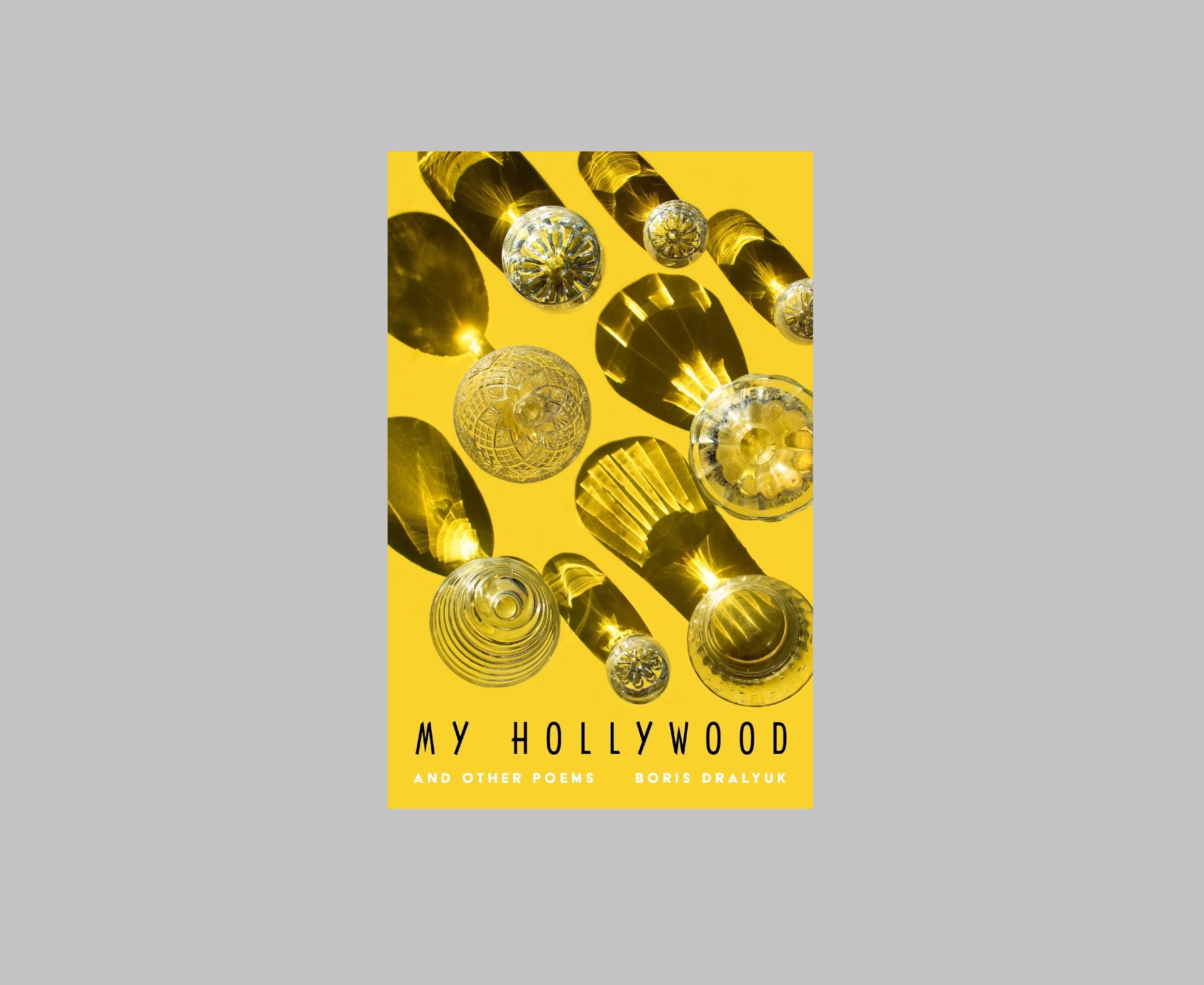
Memorable mastery: on ‘My Hollywood’ by Boris Dralyuk
Tom Branfoot Anachronism is a stylistic quality that governs translator and poet Boris Dralyuk’s debut collection My Hollywood and Other Poems (Paul Dry Books, 2022). In both form and subject – the dilapidated past of émigré Hollywood – My Hollywood is motivated by an interwar, formalist style that is objectively anachronistic. Dralyuk, born in Odessa…