-
Ahren Warner – Three Poems – PDF download
Ahren Warner Three Poems
-
Iain McGilchrist – The Master and his Emissary
Iain McGilchrist’s book The Master and his Emissary argues that the division of the brain into two hemispheres is essential to human existence, making possible incompatible versions of the world, with quite different priorities and values. Most scientists long ago abandoned the attempt to understand why nature has so carefully segregated the hemispheres, or how to…
-
The Edge of Thought: On Michael Symmons Roberts
Aviva Dautch Michael Symmons Roberts’s first collection, published in 1993, is Soft Keys and its title poem could be read as an ars poetica not just for this book but for his entire oeuvre. His punning wordplay encompasses islands in Florida, piano music, Biblical keys to ‘heaven and hell’, metaphysical keys that ‘open up the…
-
Black Lagoon – Abigail Parry
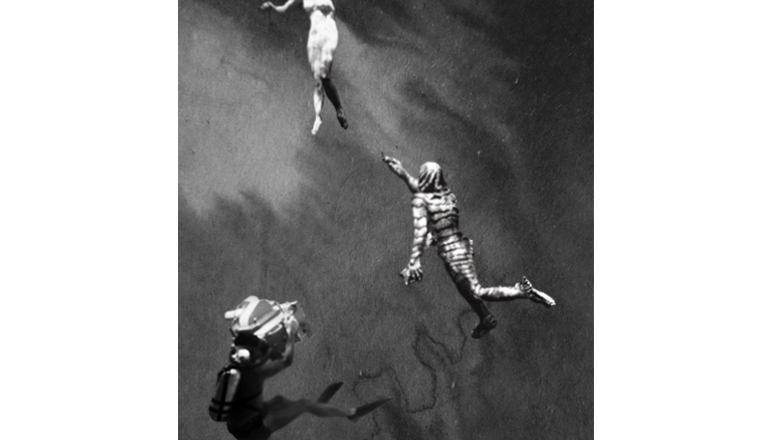
Black Lagoon ‘Even I, Lucas, have heard the legend of a man-fish.’ But what did they tell you, Lucas? Out of the murk and mystery – was I all pleats and webbing, spats and pipes, my wet heart thrashing for lovely Julia Adams? I live here all alone. The water looks like screens look…
-

Seersucker – Will Burns
Seersucker The seersucker suit turns down a drink. I’ve seen you drinking wine before though, someone says. Chicken and onions, talk of his Soho… receding, recession. It’s a plain dinner we receive, but good all the same.
-
Kindness I Suppose – Will Burns
Kindness I Suppose These were the days pitched from morning straight into night, the days of vodka 7s in the shower, of you bringing the first good guitar any of us owned over and playing all day long— those broken songs it was, and lives too hard for us to have fully understood. A…
-
Translation – Sean O’Brien
Translation No, we were never introduced, Yet she and I were long acquainted. I know all her ways and all The tunes this pale usurper sings To those she has seduced Beneath the blanching mays And left, like her, demented. So eminently natural That even nature must defer Before her instinct to conserve, In…
-
Poussin’s ‘Landscape with a Man Killed by a Snake’ – Ranjit Hoskote
Poussin’s ‘Landscape with a Man Killed by a Snake’ Lying there. Just knotted and crushed by speckled coils. A whistling snap and bite. I could have sworn I saw him smile. But wrong, that. That was only his last try, a grabbed breath short of shining back to a table’s warmth, the glow of…
-
Black Water – Eduardo C Corral
Black Water I spit his name out & four wolves appear. Black, eyes silvery, ears skinned & tense. They thrash their tails twice then rush toward me. A dark pouring. I stagger back, raise my arms. I’d watch him lather his throat. Once a week, for a year. How the oval mirror held him.…
-
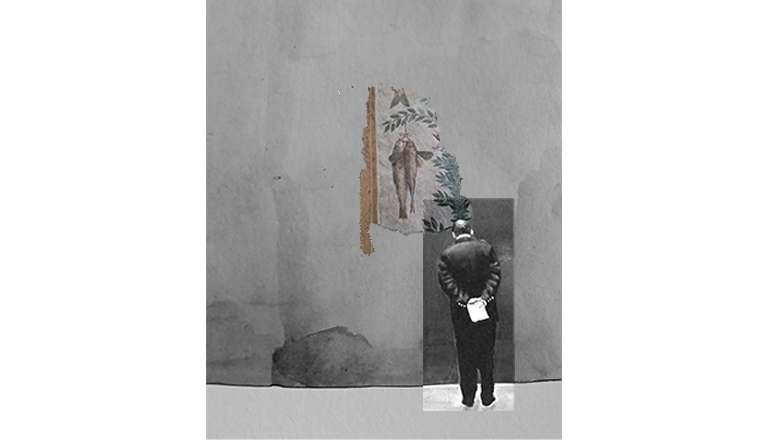
Fresco – Fiona Sampson
Fresco Those long-dead painters must have thought it was impossible to remake the world however tender the flowers and birds they left lightly suspended in tempera whose modest visible brushstrokes are like a hand put out to touch the other world they inhabit now or this painted world that they re-enter coming with us…
-
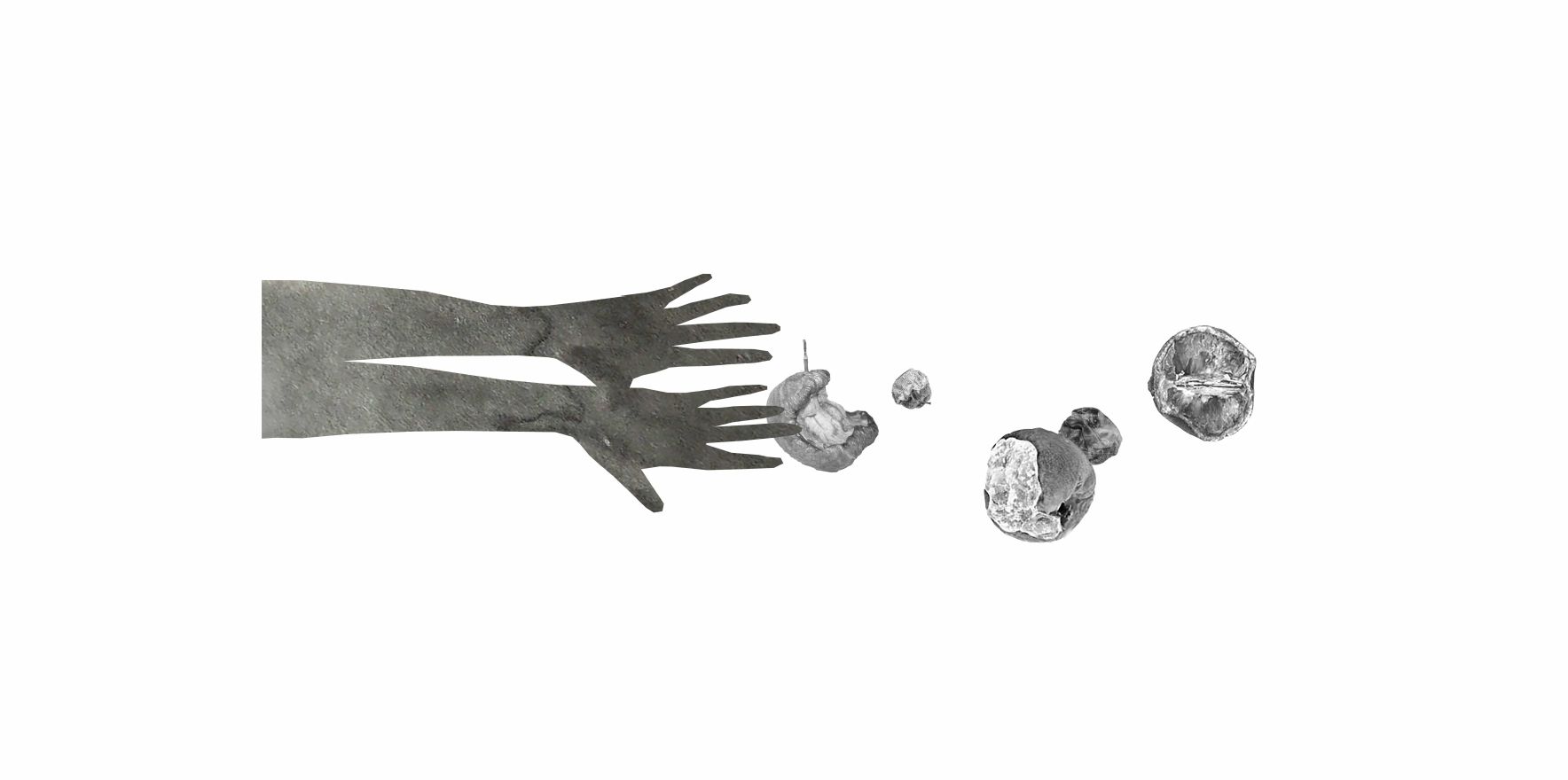
Late – Fiona Sampson
Late Not much use saying then I was busy I was asked as if to suggest there were orders I only followed useless afterwards when you find it was your life you murdered your own life that mobile muscled thing so sweet to hold but always slipping out of your arms grasping and letting…
-
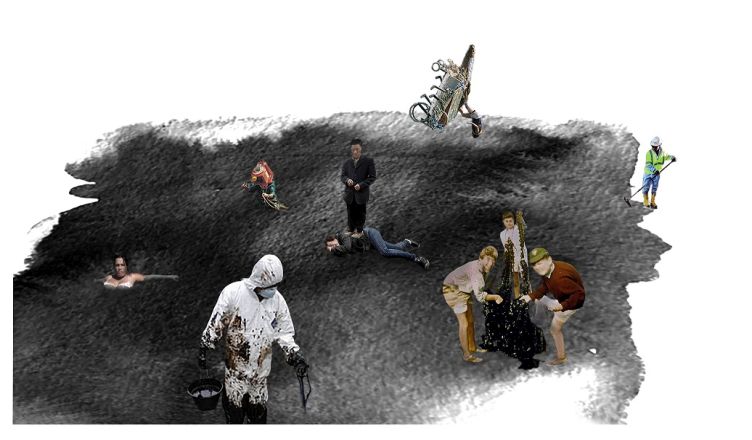
‘my ties with yous are not unique’: Juliana Spahr’s Lyric in a Global Age
Isabel Galleymore Given that Juliana Spahr’s poetry seeks to establish connection between the individual and the world, there is a certain irony in the way her work has received little attention outside of the United States. Born in Ohio in 1969, Spahr has written eight collections of poetry and is often compared with – and…
-
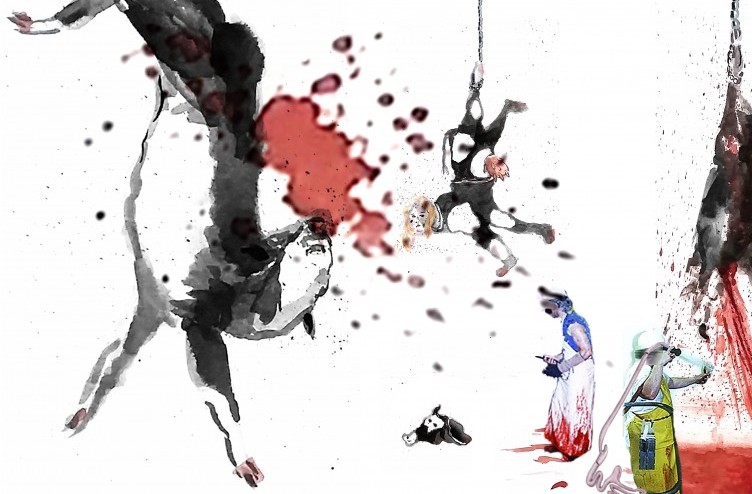
The Historical paw-print: thoughts on Ariana Reines’s The Cow
Daisy Lafarge [Spoiler alert: discusses later scenes of the 1976 adaptation of Stephen King’s novel Carrie] “I’m gonna bash your little head in, and you don’t have to worry about the bomb no more!” This is the character of Billy Nolan, talking to the pig whose blood will be used to prank the…
-
Children sing for Alex Chilton – thoughts on Michael Robbins
Hugh Foley To understand where Michael Robbins is coming from (aside from America) it might help to take a detour to Buzzfeed. There you can find a series of interviews with atheists asking them how they ‘found purpose in a meaningless universe’. Most of the interviewees (none of whom were Robbins, who is not an…
-
Sushrut Jadhav: Connecting, Belonging and a Clean New Music
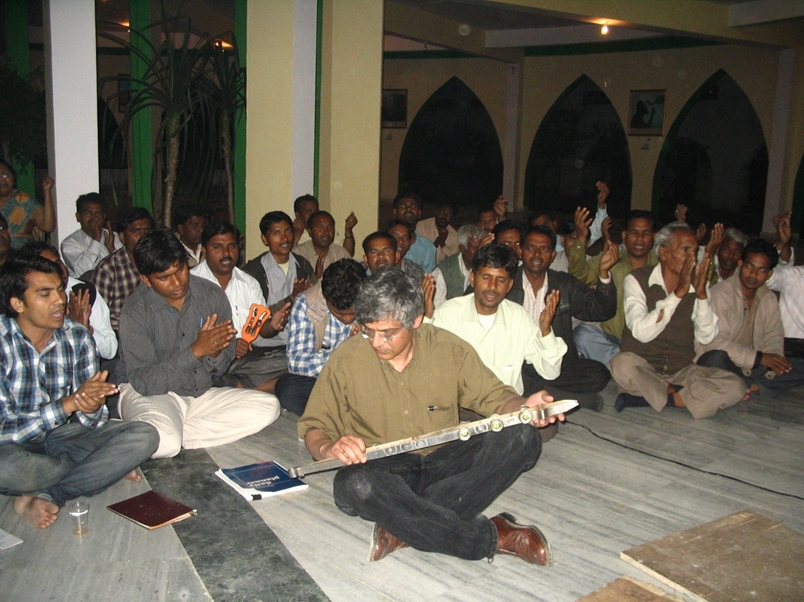
Ruth Padel In The Art of Writing, written in the 3rd century AD, the Chinese poet Lu Ji wrote about strategies for finding words which seem “to belong with each other”. In 1942, in a key passage of Little Gidding reflecting his experience as air-raid warden in the London blitz, T.S. Eliot embellishes and embodies…
-
Jerry Brotton – A History of the World in Twelve Maps
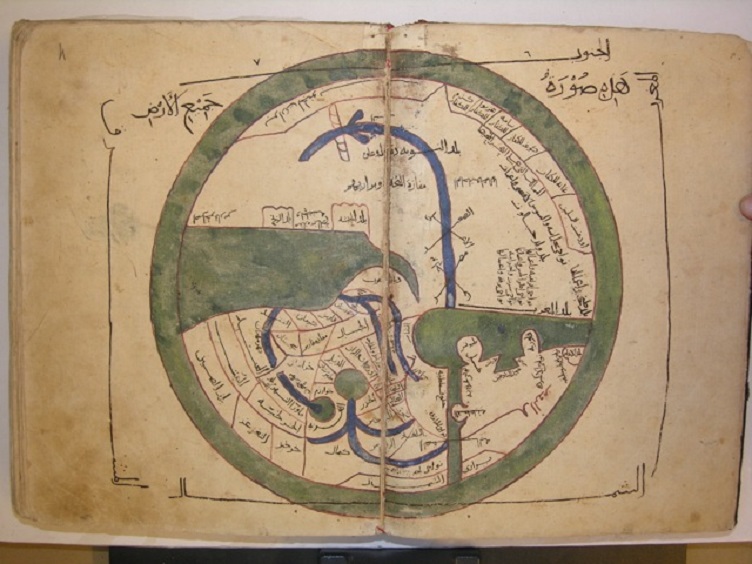
Jerry Brotton’s A History of the World In Twelve Maps was reviewed by Tom Holland for The Guardian. Holland noted that Brotton’s “idea of tracing within maps the patterns of human thought and civilisation is a wonderful one” Some of the maps discussed include: Aligihiero Boetti, Mappa, 1970s Ptolemy, world map, 14th century Hereford…
-
Make us Dance or Christen us – an introduction to Kei Miller
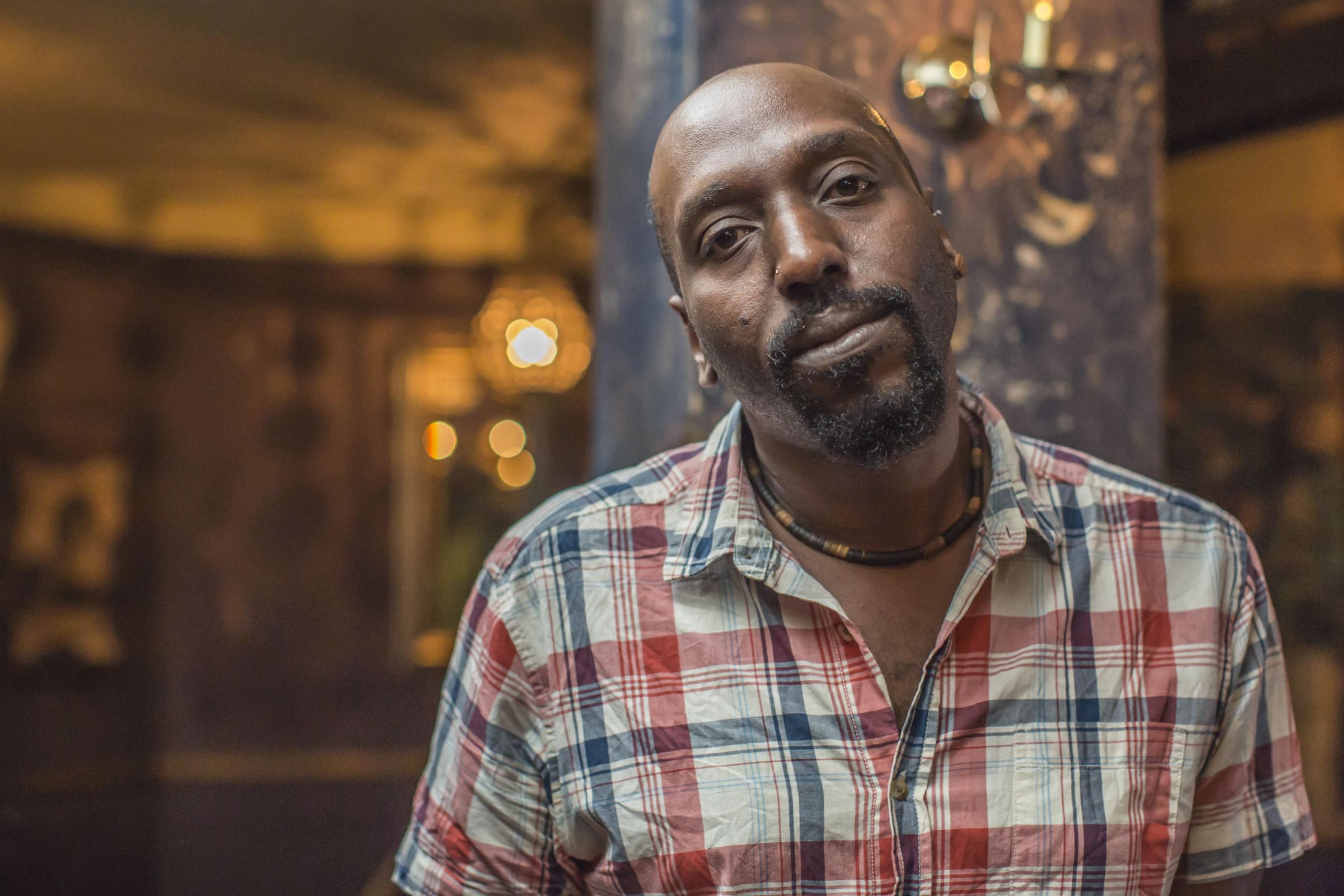
Joey Connolly The first poem in Kei Miller’s first Carcanet book, There Is an Anger that Moves, opens like this: In this country you have an accent; in the pub, a woman mocks it. You want to ignore her but wonder how many hearts is she being bold for? What thematics are we being given…
-
A Noble Scruff – an introduction to Daljit Nagra
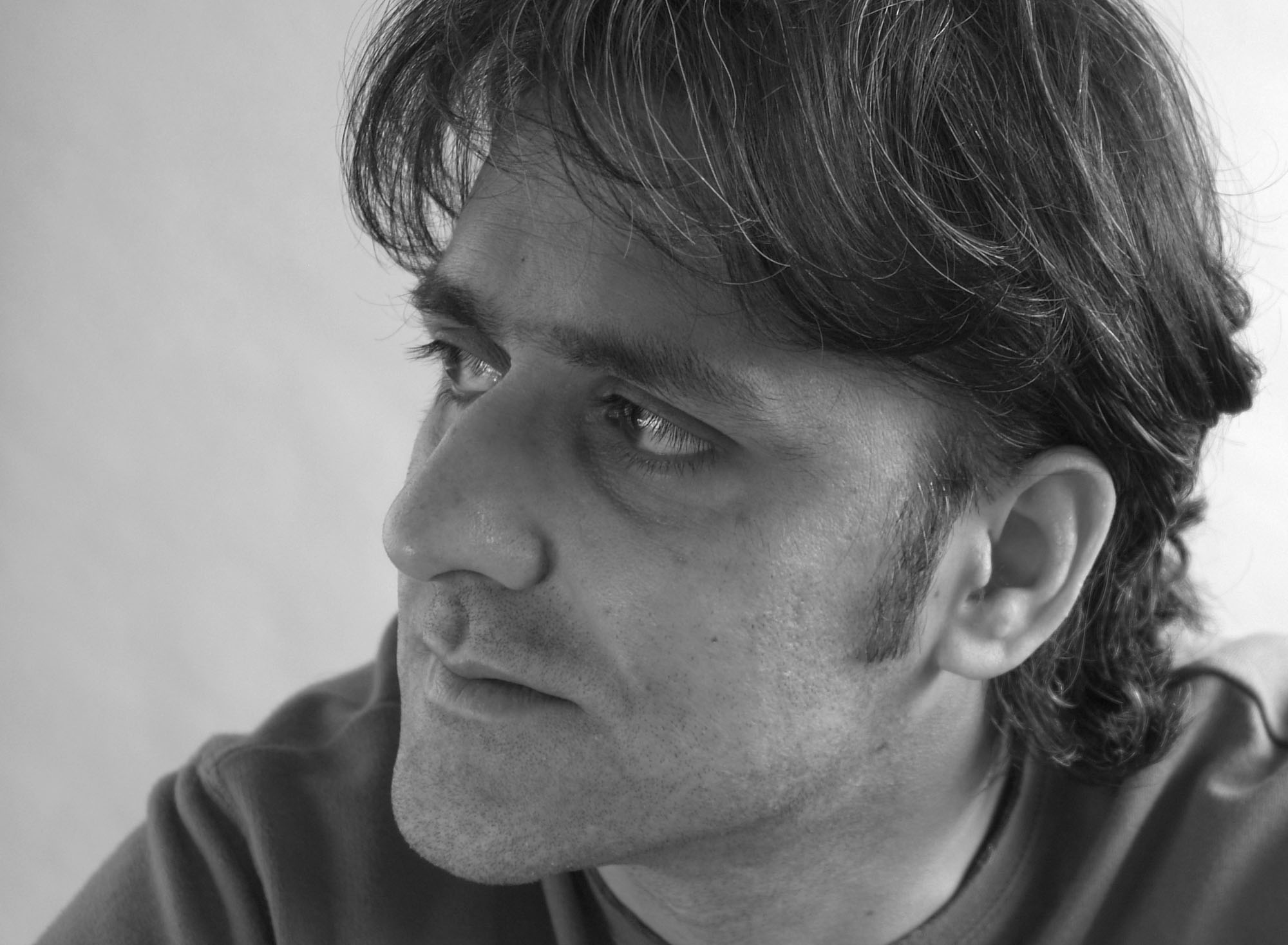
Richard Scott: It’s been over ten years since Daljit Nagra wrote his poem Look We Have Coming to Dover and it seems more urgent now than ever. In 2004, Nagra’s fantastical invasion of immigrants all ‘stowed in the sea’ but hoping to get ‘blair’d in the cash’ spoke to the slow migration of thousands of…
-
Alejandra Pizarnik, remembering
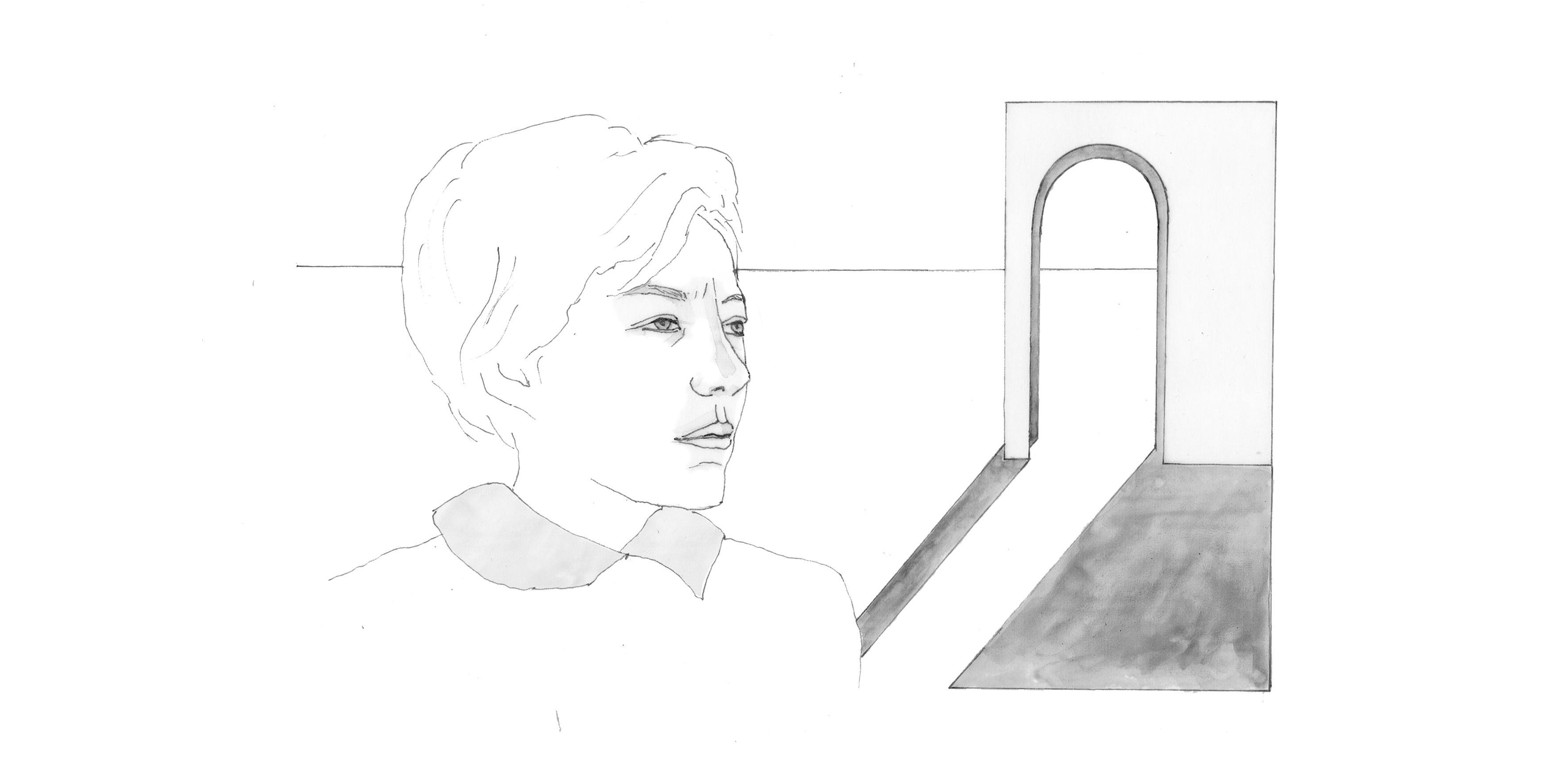
Alberto Manguel: I met Alejandra Pizarnik in Buenos Aires, in 1967, five years before her death. I had asked her to contribute to an anthology of texts that purported to continue an interrupted story begun in Shakespeare’s A Winter’s Tale: “There was a man dwelt by a churchyard.” She agreed and wrote a haunting piece…
-

The Hand of Art – Czesław Miłosz: Form, Communication and Reality
Ruth Padel: It was a great pleasure, this May, to go to the 4th Miłosz Festival, in honour of one of the twentieth century’s greatest and most iconic poets, in Kraków, the city to which Czesław Miłosz returned at the end of his life, and an enormous honour to give this lecture there, the very…