-
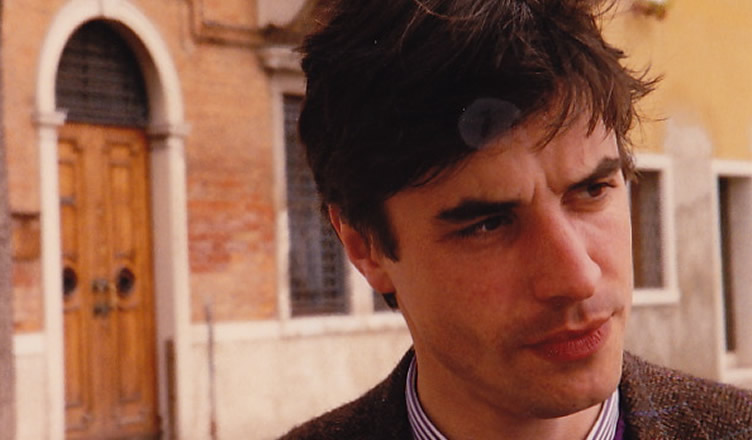
No Pop, Still Fizzy – Michael Hofmann: Corona, Corona
This is a review by Mick Imlah of Michael Hofmann’s collection Corona, Corona, first published in the TLS in 1993 and extracted here from Mick Imlah: Selected Prose, ed. André Naffis-Sahely and Robert Selby, published by Peter Lang in 2015. The death of the German writer Gert Hofmann this summer may seem to…
-
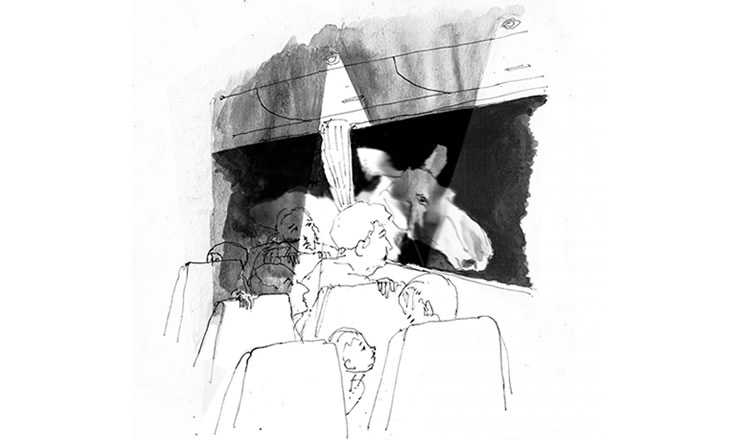
Reading as a Writer: Geography III as Transitional Object
Dominic McLoughlin: When I was in my twenties I took a job as a bookseller at Books & Co on Madison Avenue at 74th Street, an independent bookstore in Manhattan, just next door to the Whitney Museum. It was not well paid but one of the perks was a licence to choose volumes to take…
-
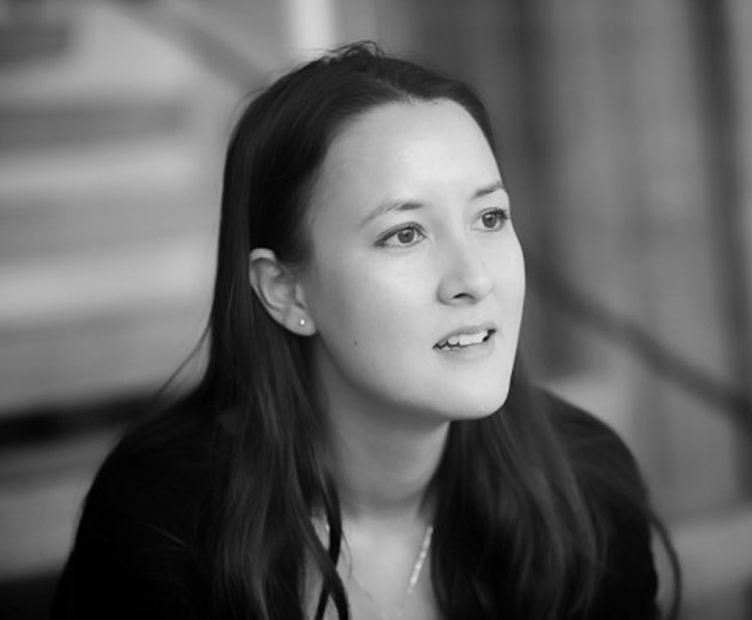
Caught in the Resin – an introduction to Sarah Howe
Victoria Kennefick: The experience of reading Sarah Howe’s début poetry collection, Loop of Jade, is akin to that of the speaker in ‘Mother’s Jewellery Box,’ the first poem in the book, cracking open ‘the twin lids’ of the ‘black lacquer box’ to discover a cornucopia of minute and significant treasures. From the offset, Howe’s gift…
-
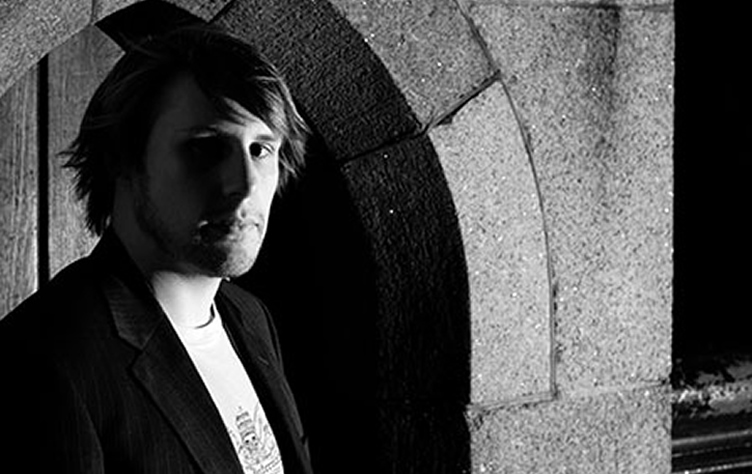
‘In every hundred and wapentake’ – an introduction to James Brookes
Robert Selby ‘The loss of imperial power,’ said Seamus Heaney in a Berkeley lecture of 1976, ‘the failure of economic nerve, the diminished influence of Britain inside Europe, all this has [begun to force English poets] to explore not just the matter of England, but what is the matter with England.’ Heaney was…
-
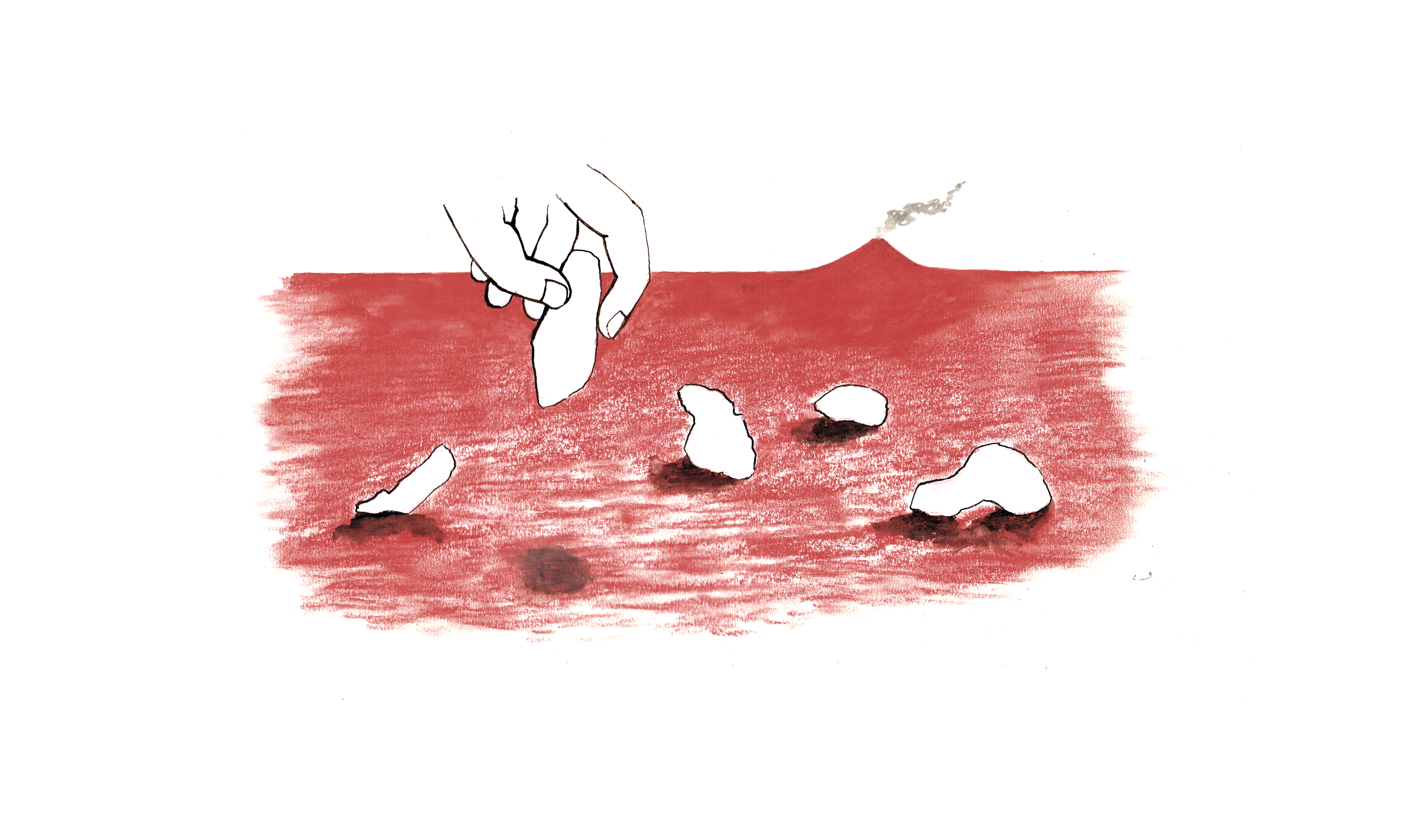
A definite thread spun: temporal tantalisation in Anne Carson’s Autobiography of Red
Ralf Webb: In the faculty lounge of the University of Buenos Aires, Geryon— the protagonist of Anne Carson’s Autobiography of Red— asks a yellow-bearded professor: ‘What is time made of?’ The professor replies, ‘Time isn’t made of anything. It is an abstraction./Just a meaning that we/impose upon motion’. The question of time, and his relationship…
-
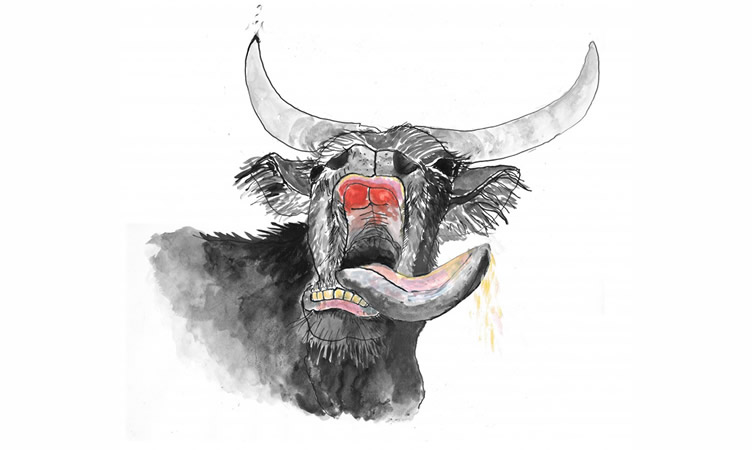
‘It is a wild fucking Kingdom’ – Toby Martinez de las Rivas’s Terror
Rose McLaren: Which is more complicated, life or poetry? Whatever the case, they are seldom complicated in the same way. Yet Toby Martinez de las Rivas has that rare thing, an ability to fuse verbal and lived experience in complex detail. This offers a sort of succour – if things can’t be solved, they can…
-

Christel Wiinblad: My little brother – a morning in heaven, at least in green
Malene Engelund: It troubles me that things must no longer mean anything. Must no longer be real, and that we can no longer be accessible to one another […] It’s strange how people can find the fragility I expose in myself and my little brother shocking. […] I wanted to examine this as accurately as…
-
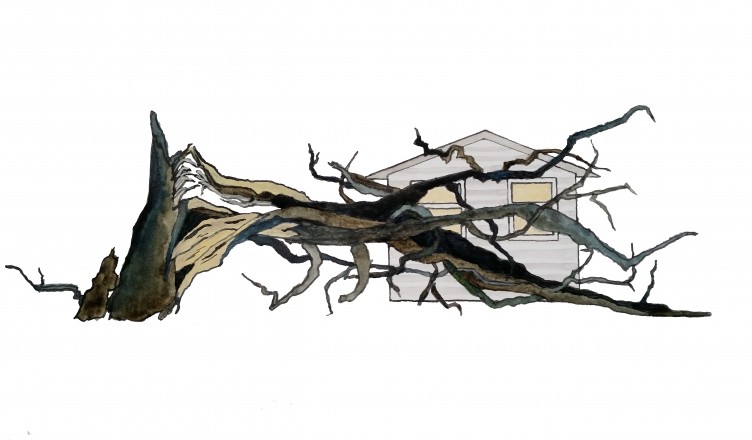
Inside and Out – The force of nature in poems by Ted Hughes (’Wind’); Seamus Heaney (‘Storm on the Island); Ian Hamilton (‘The Storm’) & Brian Jones (‘The Measure of the Need’).
Paul McLoughlin: Ted Hughes’s poem ‘Wind’ plays (its exaggeration is wilful) on the familiar mismatch between human consciousness and unthinking nature. It is an obsessive interest. In ‘Thrushes’ (Lupercal, 1960) Mozart’s genius involves (with ‘bullet and automatic / Purpose’) his closing the gap, so that thought and action happen together, and it helps explain why…