John Greening
-
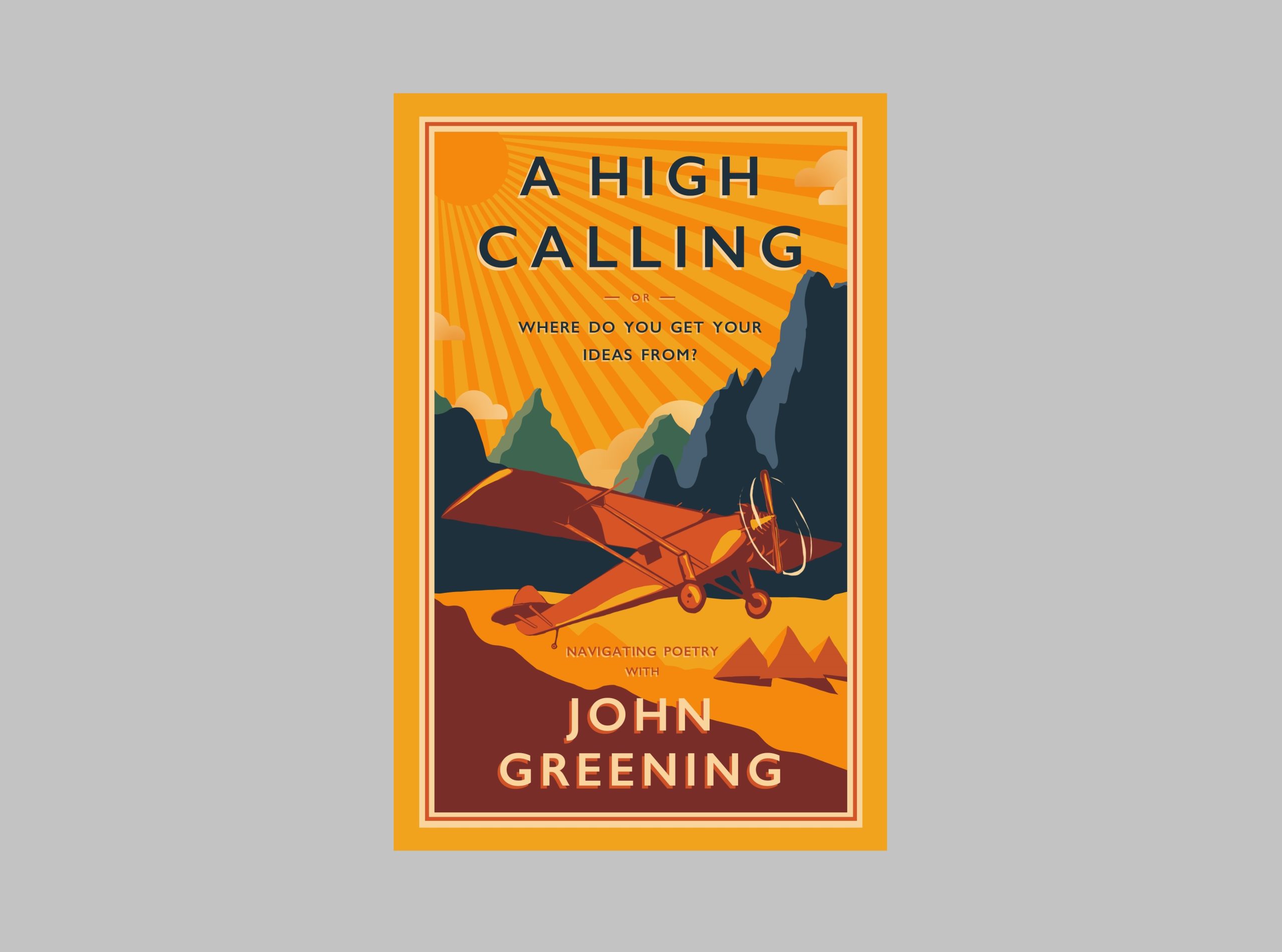
An extract from ‘A High Calling’ by John Greening
Below are two extracts from A High Calling (or Where Do You Get Your Ideas From?) by John Greening, recently published by Renard Press. Sharing what Greening has learnt during half a century’s creative work, A High Calling provides anecdotes and literary insights interwoven with autobiographical sketches and original poems. An online launch for the…
-

U. A. Fanthorpe: The Watcher
To mark the publication of a new edition of the late U. A. Fanthorpe, Not My Best Side: Selected Poems (Baylor University Press), its editor John Greening shares his thoughts on one of the UK’s most popular poets. The essay is based on a talk given for the King’s Lynn Literature Festival in September 2024.…
-
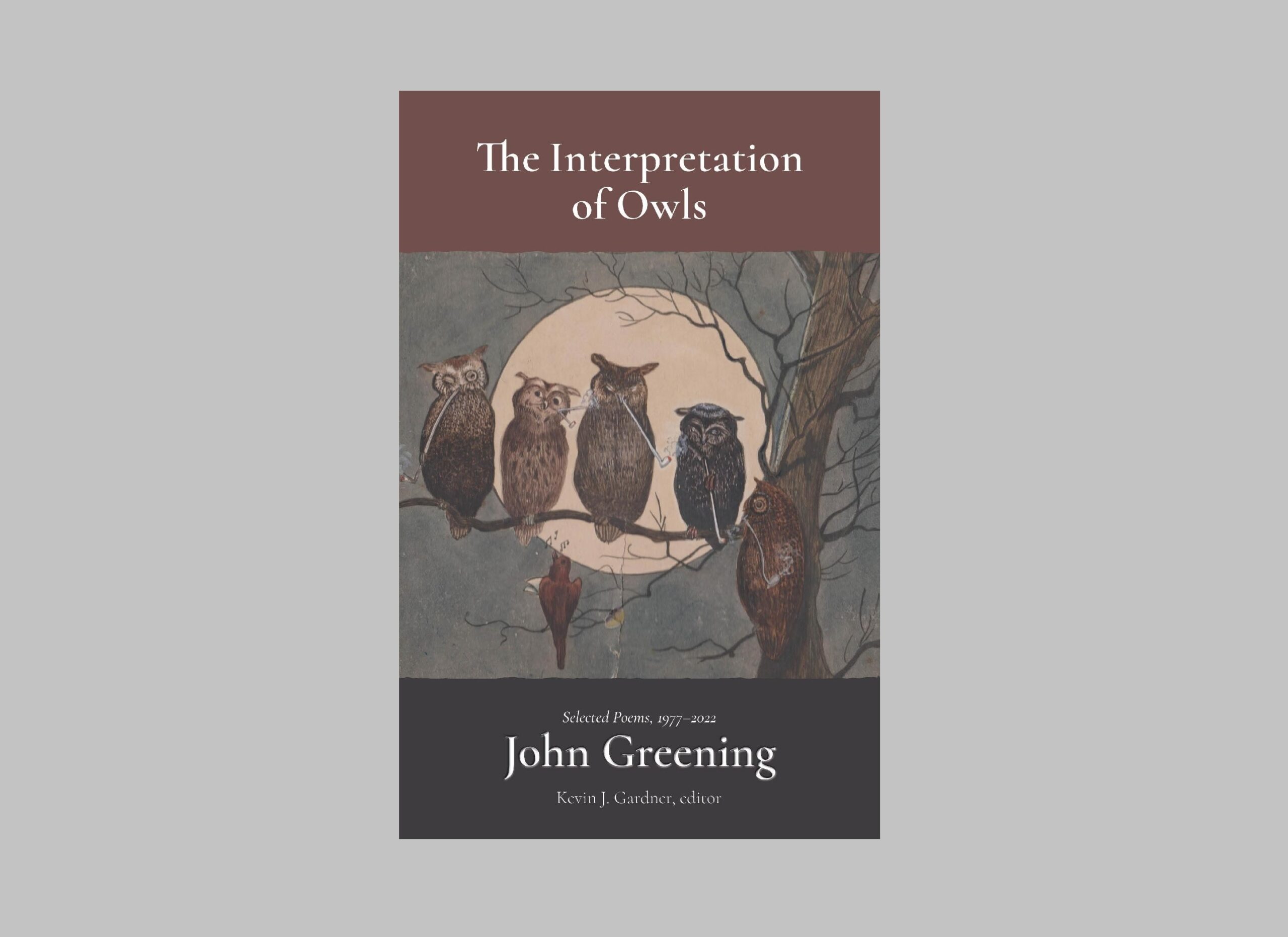
‘Fairey’: a poem by John Greening
The poem below is from John Greening’s The Interpretation of Owls: Poems 1977-2022, edited by Kevin Gardner (Baylor University Press, 2023). The volume’s UK launch will take place at Hatchards, Piccadilly, on the evening of Thursday 9th November. Tickets include a discount on the book and are available here. Fairey The first public conjuring show…
-

Peter Redgrove: Dreaming in a Wakeful World
Peter Redgrove, sometime in the 1970s John Greening discusses Peter Redgrove and his poetry. Based on a talk given to mark the fiftieth anniversary of Falmouth Poetry Group on 17th September 2022. Peter Redgrove (1932-2003) would have been ninety this year. According to his biographer, Neil Roberts, he did…
-

‘Church Crawling’: a poem by John Greening
Fotheringhay © Kevin Gardner Church Crawling for Kevin Gardner Leighton Bromswold Yes, locked, of course. And once we find the key it’s comically huge, and hard to turn, but when it does, George Herbert’s century comes tumbling, sliding, singing at my phone from beams and dust and tracery and…
-
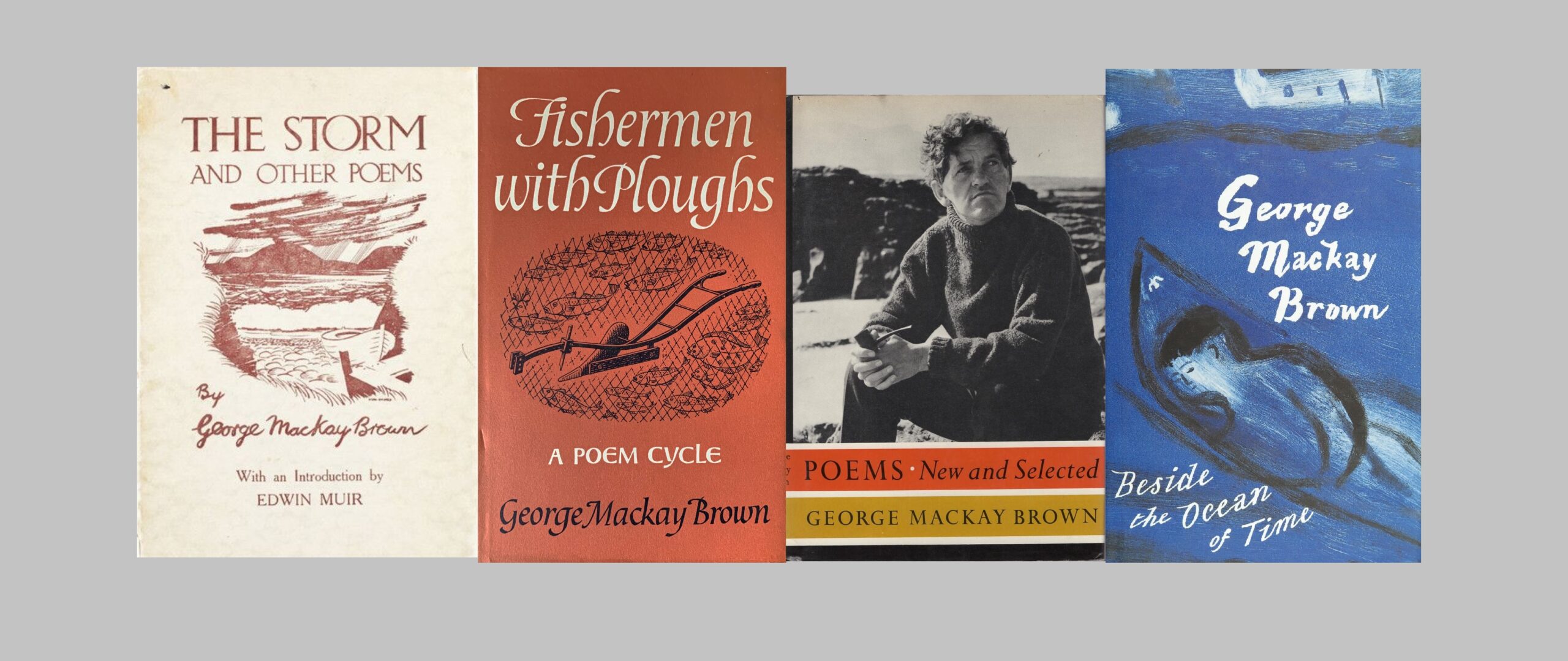
Discovering George Mackay Brown
John Greening marks the centenary of the birth of George Mackay Brown (1921-1996), which falls this Sunday, 17th October. The June bee Bumps in the pane with a heavy bag of plunder ‘I first got to know George Mackay Brown’s work in 1982 when we were living in North East…
-
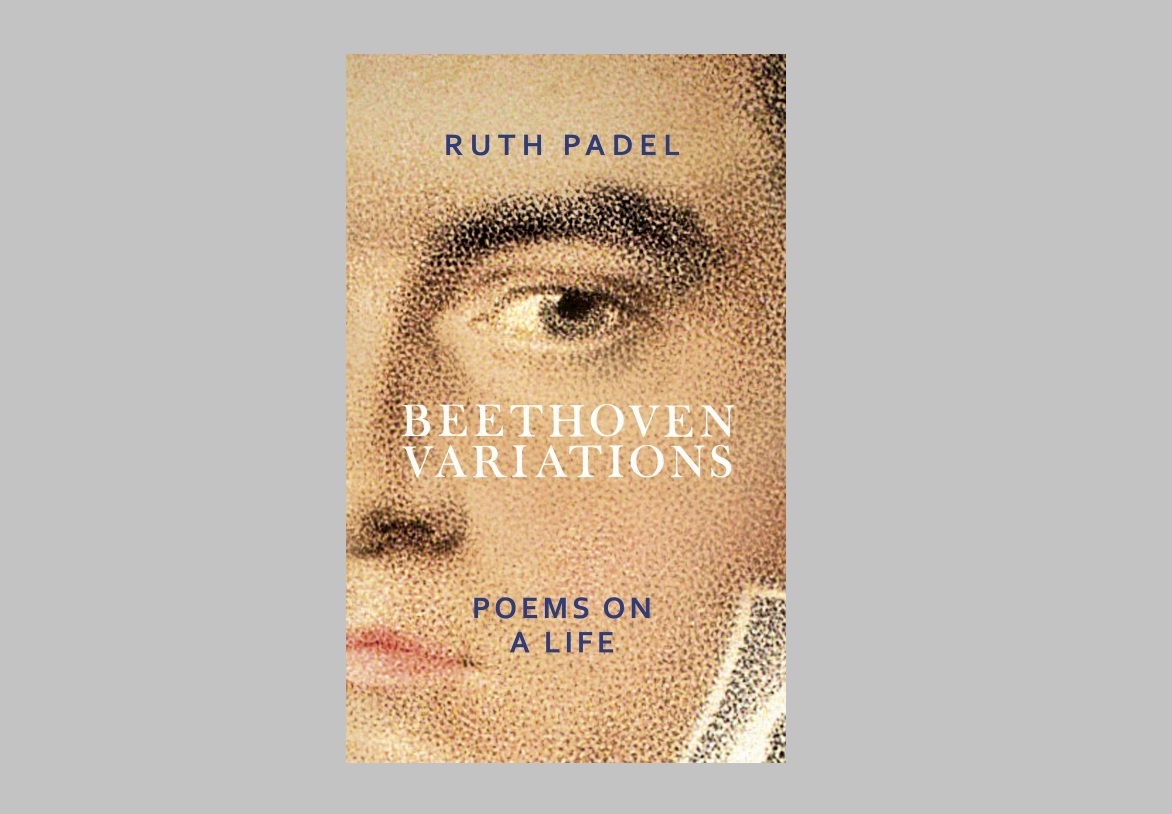
An instinct for pace and balance: on Ruth Padel’s ‘Beethoven Variations’
John Greening Some composers keep themselves out of their music, but in Beethoven the life is always peeping through. It seems natural, then, for Ruth Padel to have woven herself into her Beethoven Variations (Chatto & Windus, 2020). The book – elegantly designed, with a list of recommended works and various illustrations…
-

New poems by John Greening
To mark the publication day of his Vapour Trails: Reviews and Essays on Poetry (Shoestring Press), Wild Court is featuring four new poems by John Greening. The first three are from an extended sequence about the historic county of Huntingdonshire, where he lives. Vapour Trails is a survey of modern poetry, gathering reviews…
-
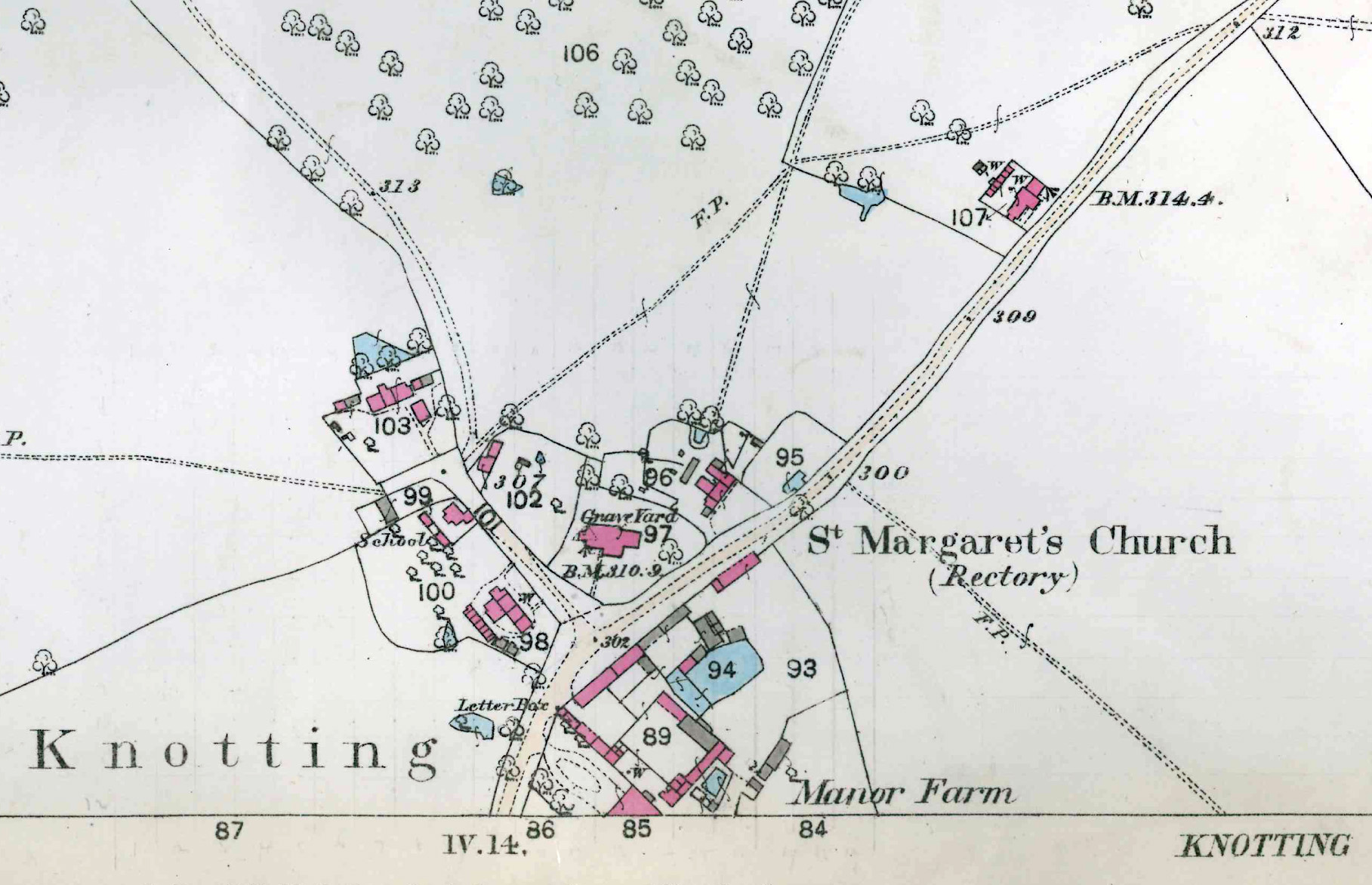
On Martin Booth’s ‘The Knotting Poems’
The main part of Knotting in 1884. Courtesy of the Bedfordshire County Archives. John Greening It’s unlikely that many readers will remember the original elegant editions of these two collections by Martin Booth (1944-2004). The Knotting Sequence (1977) and The Cnot Dialogues (1981) appeared from The Elizabeth Press in the USA and,…
-
Two poems by John Greening
Villa D’Este More water, extravagant upshootings and downpourings of it, unbottled from the veins of a Borgia. Such force and power — though to what end other than to cool the minds of those overheating here in the future? Let it rush and hiss and chuckle and spray its optimistic excess…
-
Two new poems by John Greening
The following poems appear in John Greening’s new collection, The Silence, published by Carcanet in June 2019. from The Silence Sibelius lived with his wife, Aino, in Järvenpää, Finland until he was over ninety. But he released virtually no music from their forest home for the last thirty years…
-
Making the Cut: John Greening on editing poems
John Greening I often quote Basil Bunting’s advice to young poets, that you should ‘cut out every word you dare’. Bunting certainly practised what he preached in his own wonderfully economical work, and even applied it to others, quite fearlessly – to Shakespeare, for instance, whose sonnets he ‘improved’ (as a pastime while…