Essays
-
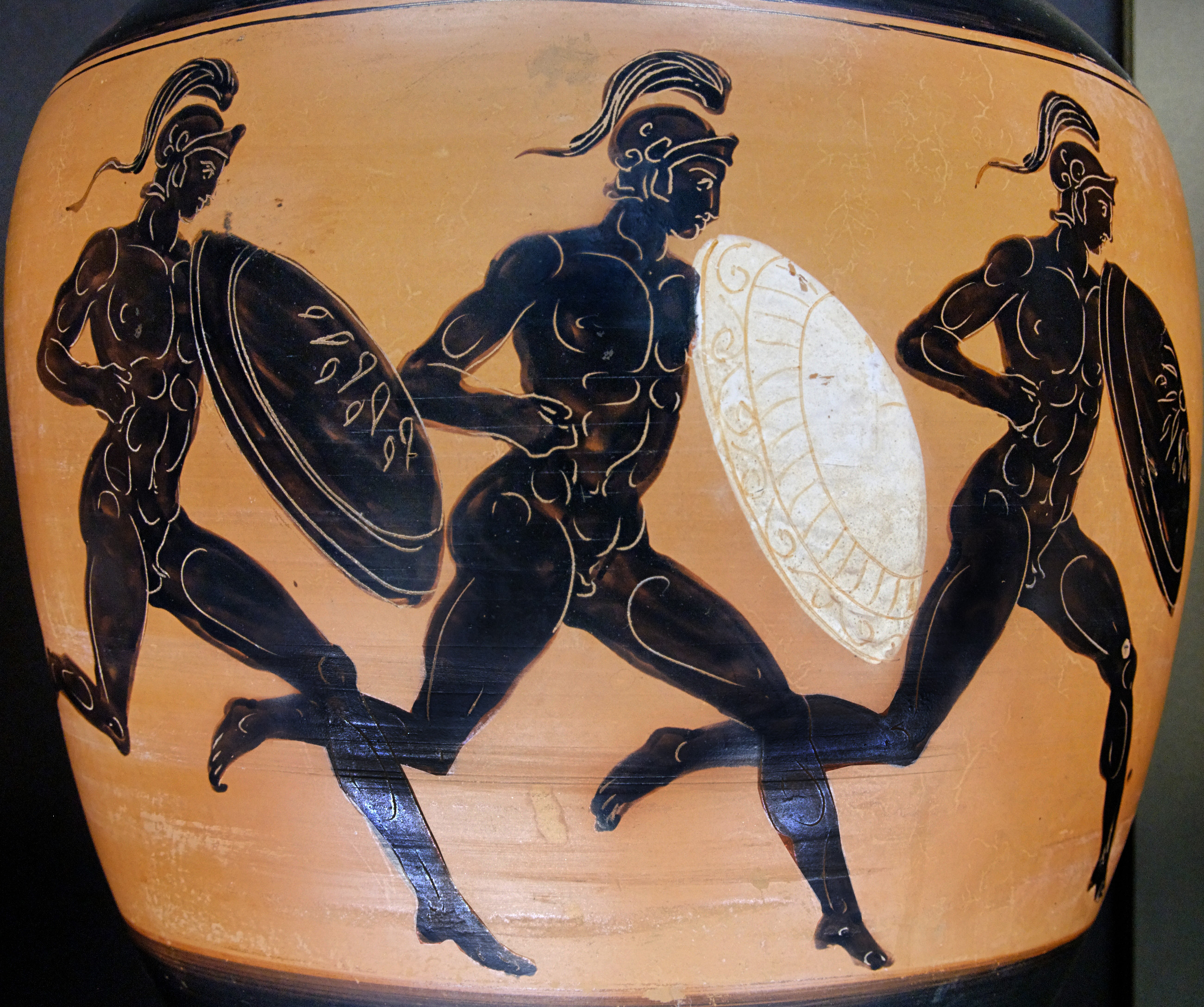
‘All the Soul’s Endeavour’: where did the poetry of running go?
Hoplitodromos from an Attic black-figure Panathenaic amphora, 323–322 BC (photograph Marie-Lan Nguyen) Ben Wilkinson Fast-forward to August of 2020 and all eyes will be on Tokyo, as the Games of the 32nd Olympiad kick off with fireworks and fanfare. But among the 33 different sports contested and the 339 medal events,…
-

More Memorable than Sweetness: on Li-Young Lee’s poem ‘Always a Rose’
Zakia Carpenter-Hall A poet must perpetually ask the question, explicitly or implicitly, ‘What is it?’ What are the plants, animals, objects, etc. with which we share and compose our lives? Like the unnamed child in Walt Whitman’s Leaves of Grass who asked, ‘What is the grass?’ demonstrating that the simplest question can…
-
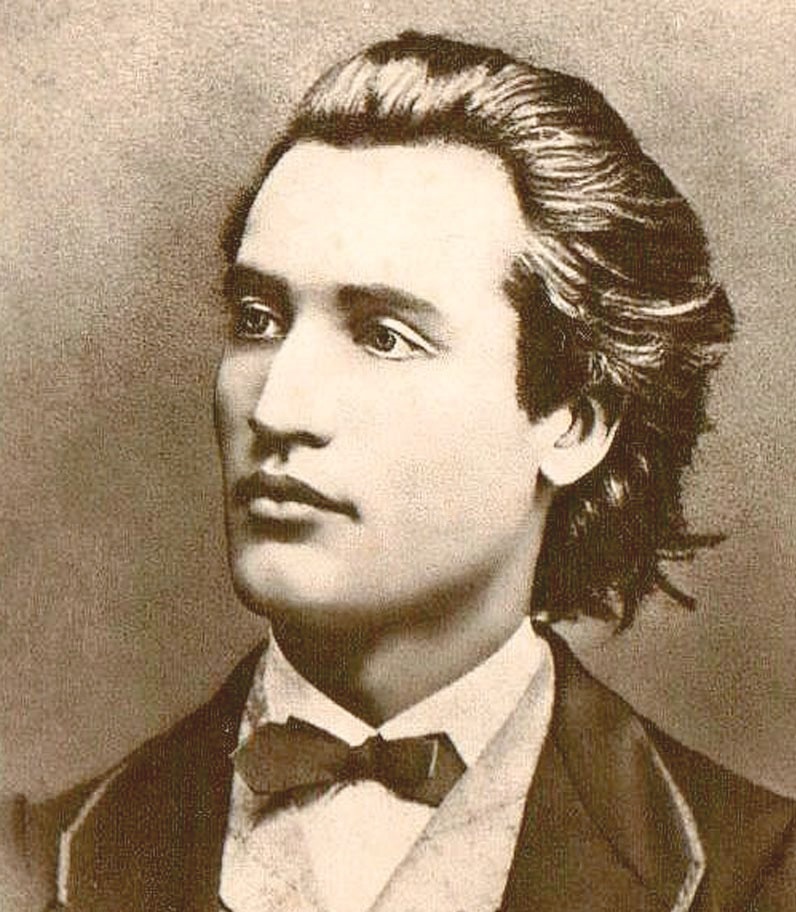
‘All the Roads that Lead to Eminescu’: on the great Romanian poet
Andreea Iulia Scridon The name Mihai Eminescu isn’t likely to ring an immediate bell for Anglophone readers, but would certainly deserve to, having circled the globe quite a few times. The man unanimously considered Romania’s greatest poet was first translated into German (by the Romanian Queen of the time, Elizabeth, who wrote…
-

Thom Gunn’s carnival: a radical inside job
Thom Gunn, 1986. Photograph by LaVerne Harrell Clark. Courtesy of The University of Arizona Poetry Center. Copyright Arizona Board of Regents Andre Bagoo Thom Gunn’s poem ‘The Messenger’ starts with a question: Is this man turning angel as he stares At one red flower whose name he does not know,…
-
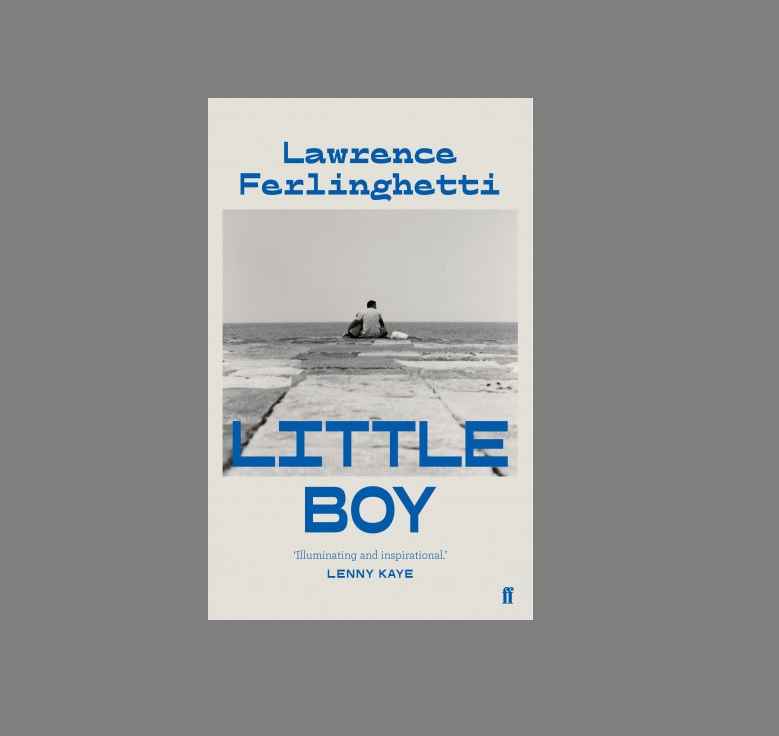
‘Time a river we swim in freestyle’: Lawrence Ferlinghetti’s poetry & prose
Katie Da Cunha Lewin Throughout Lawrence Ferlinghetti’s Poetry as Insurgent Art, his manifesto on poetry written in aphorisms published in 2007, he returns to central questions about the existential problem of poetry: ‘What is the use of poetry? The state of the world calls out for poetry to save it.’ …
-
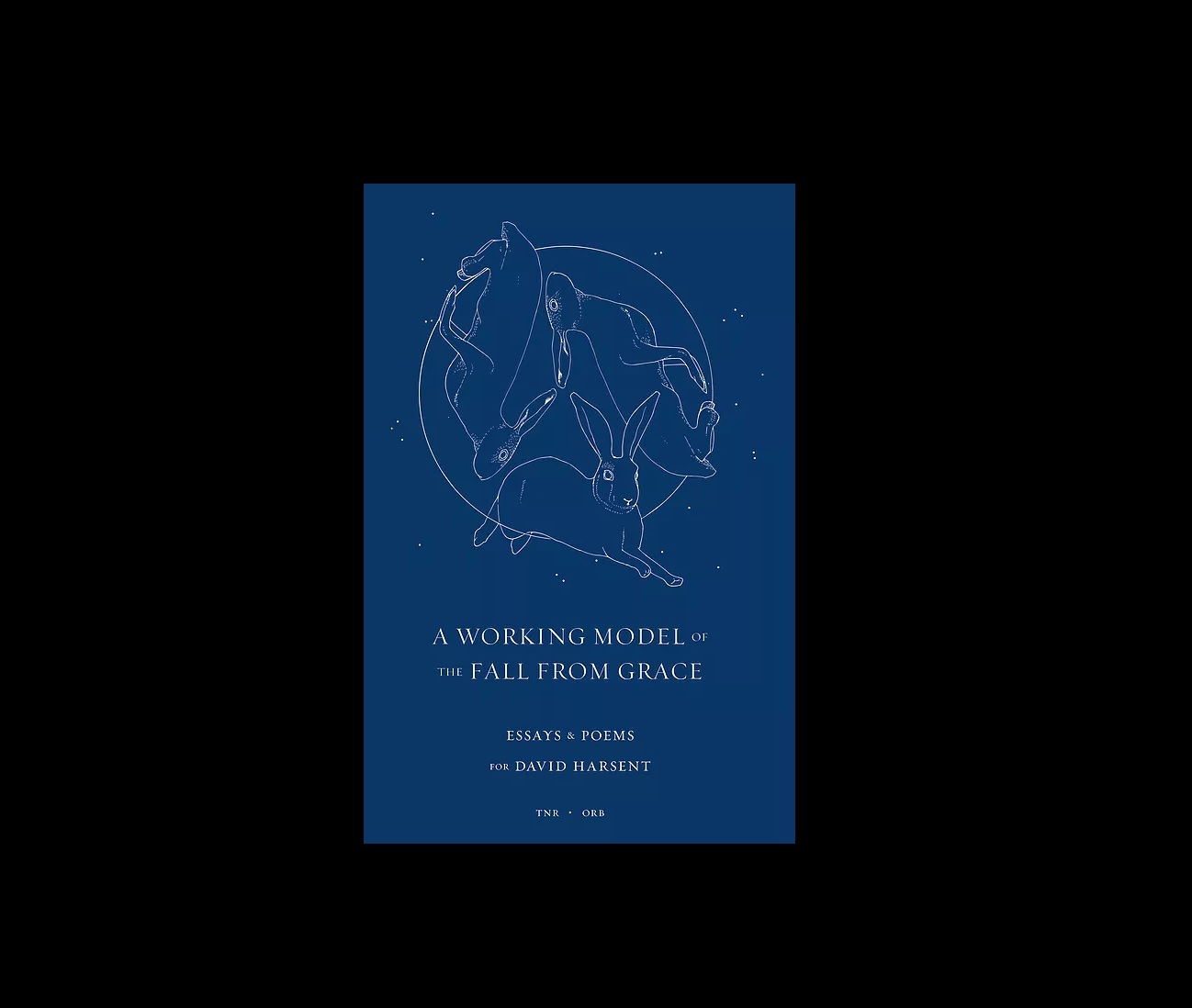
Essential fragments: on the poetry of David Harsent
Below is an essay by Lavinia Singer from A Working Model of the Fall from Grace: Essays & Poems for David Harsent, recently published by Offord Road Books in collaboration with The Next Review. The festschrift gathers together contributions in verse, prose, interview and image to celebrate David Harsent’s life and writing career that…
-
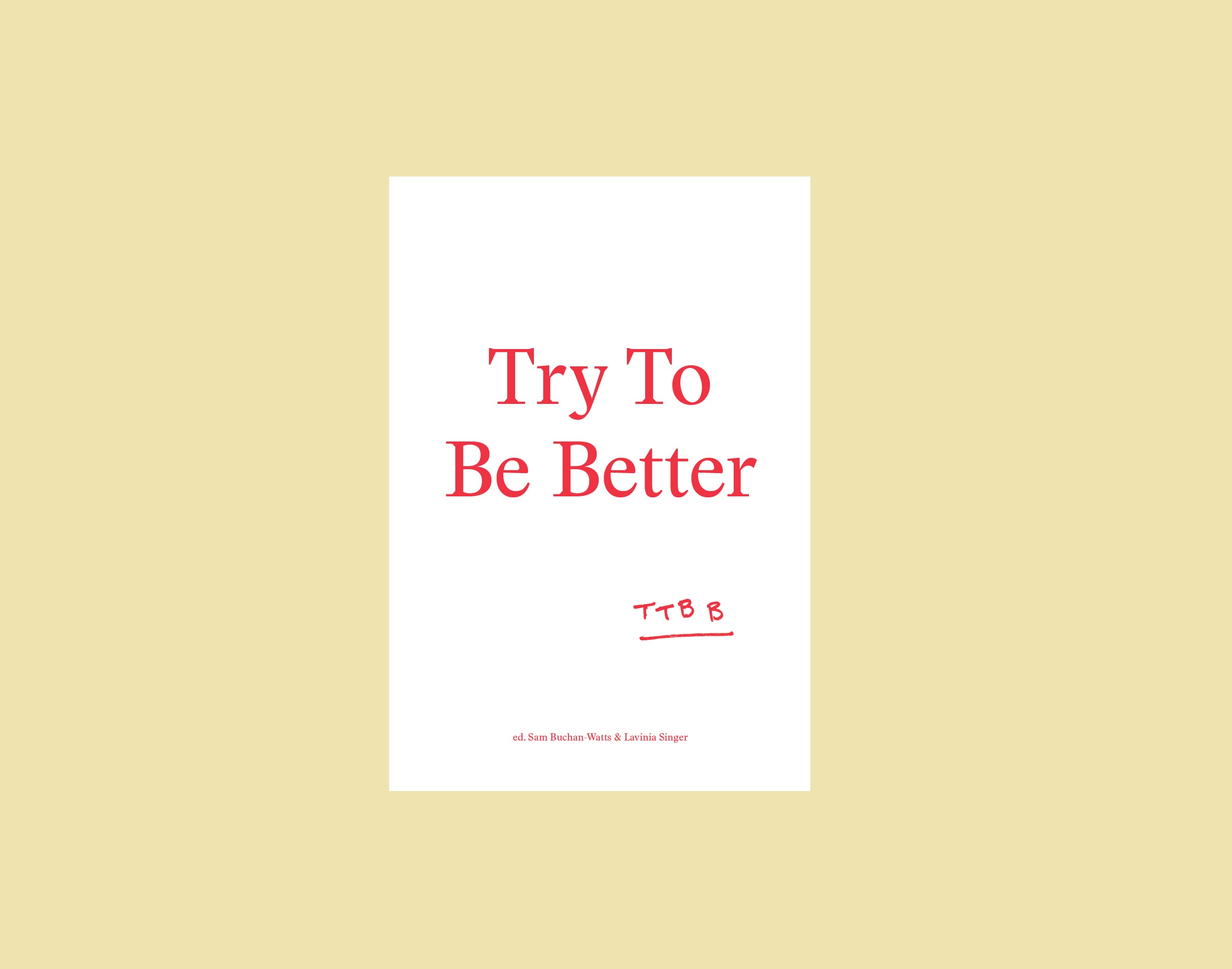
Try To Be Better: an engagement with the creative practice of W. S. Graham
This week sees the launch of Try To Be Better, a multi-disciplinary engagement with the idiosyncratic creative practice of the late poet W. S. Graham, co-edited by Sam Buchan-Watts and Lavinia Singer, and published by Prototype (formerly Test Centre). In this book, contemporary writers and artists respond to prompts Graham left in notebooks and…
-
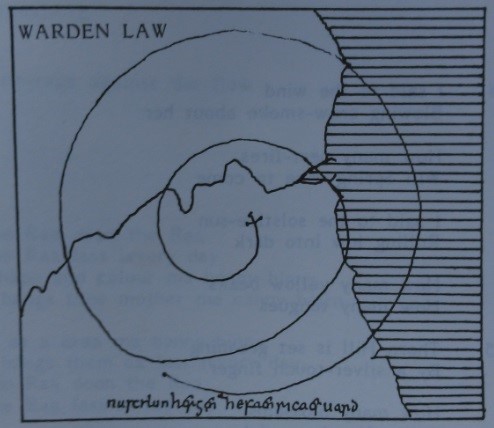
Marratide: William Martin’s Chorography of County Durham
‘Cuthbert’s brief dream / And high resting place / Here before Durham’ (s.16): Warden Law by William Martin, part of ‘Wiramutha Helix’ Jake Morris-Campbell Next year marks the tenth anniversary of the death of the late poet, William Martin (1925-2010). A self-professed son of the Haliwerfolc (followers of Saint Cuthbert, a…
-

‘The Poet As Witness’: CD Wright & The Art of Curating the Past
Paul Stephenson How do we look at a difficult past? Carolyn Forché has put forward the notion of ‘poetry of witness’ for a category of poems that ‘bear the race of extremity’ and end up as ‘evidence of what occurred’ (Forché 1993). In the space between citizen and state, she advocates that we…
-

Making the Cut: John Greening on editing poems
John Greening I often quote Basil Bunting’s advice to young poets, that you should ‘cut out every word you dare’. Bunting certainly practised what he preached in his own wonderfully economical work, and even applied it to others, quite fearlessly – to Shakespeare, for instance, whose sonnets he ‘improved’ (as a pastime while…
-
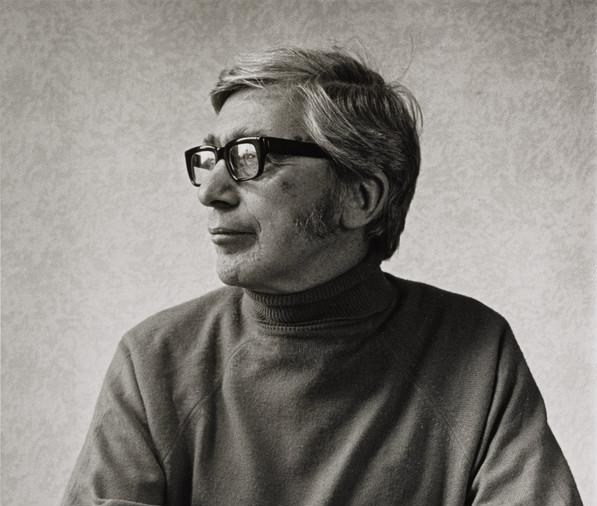
Private Morgan: World War Two & Edwin Morgan’s ‘The New Divan’
© Jessie Ann Matthew, National Galleries Scotland Richie McCaffery While many of Edwin Morgan’s (1920-2010) Scottish near contemporaries in poetry, such as Hamish Henderson and Sorley MacLean, wrote immediate, resonant and powerful work about their active experiences in North Africa during World War Two, it was not until 1977, when Carcanet published Morgan’s…
-
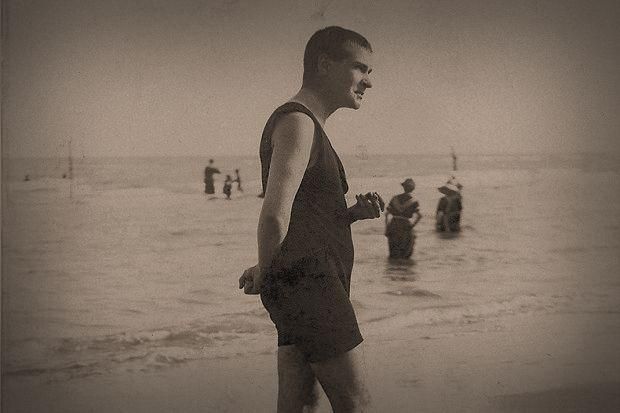
The Anatomy of Movement: On Georg Trakl’s Poetry
Georg Trakl at Venice lido, 1913 Will Stone I In this essay I have attempted to illuminate what for want of a better phrase one might call ‘the anatomy of movement’ in the vision of the Austrian poet Georg Trakl (1887-1914), to try and identify perhaps the most crucial strand leading…
-
‘St Ives Allure’: WS Graham among the artists
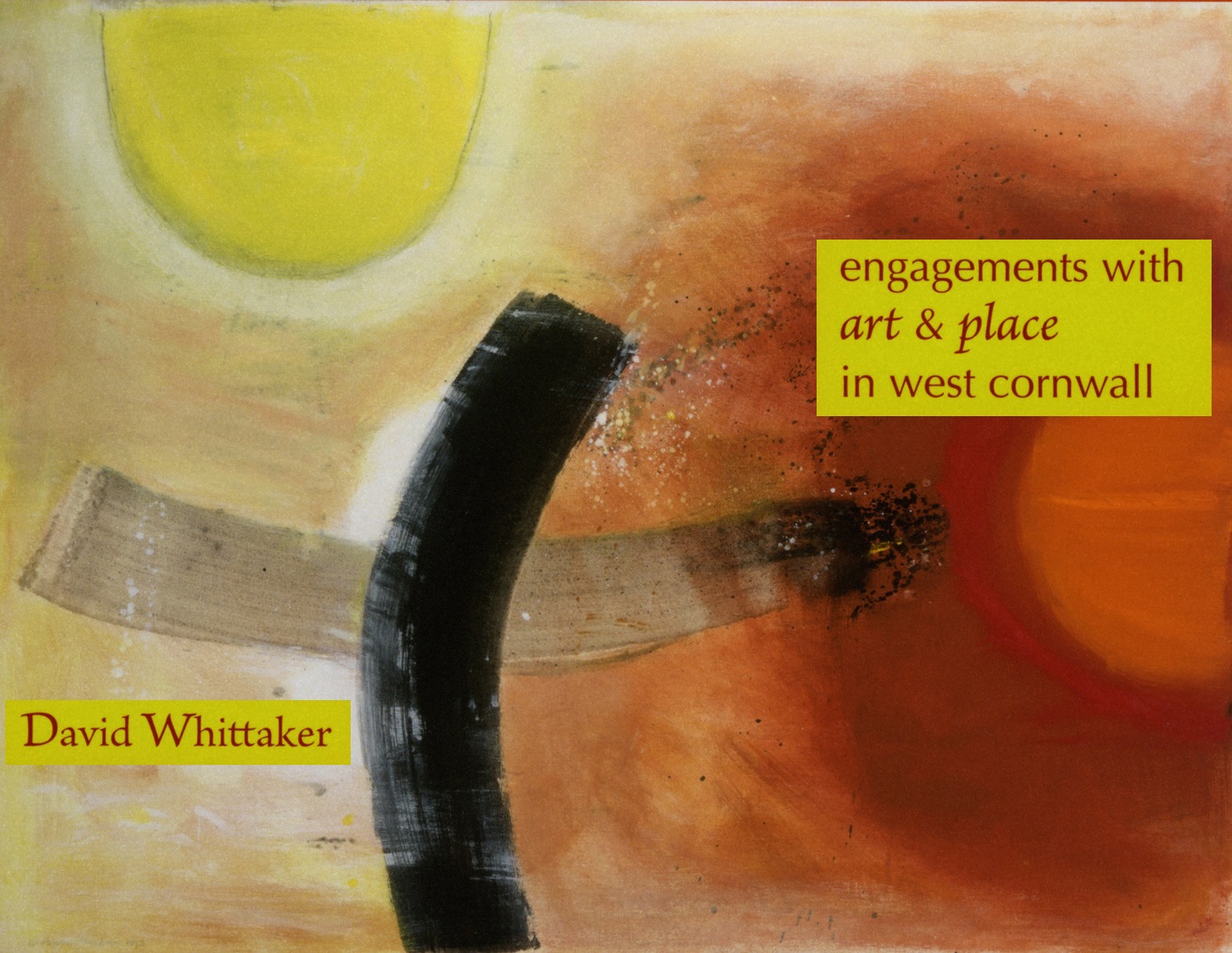
Monday 19th November is the late poet WS Graham’s 100th birthday. Below are extracts from David Whittaker’s new book St Ives Allure, a generously-illustrated story of the painters, sculptors and colourful figures who have lived in, and been inspired by, the Cornish harbour town of St Ives and the wider Land’s End peninsula. Graham…
-
Writing Birth: on the poetry of motherhood
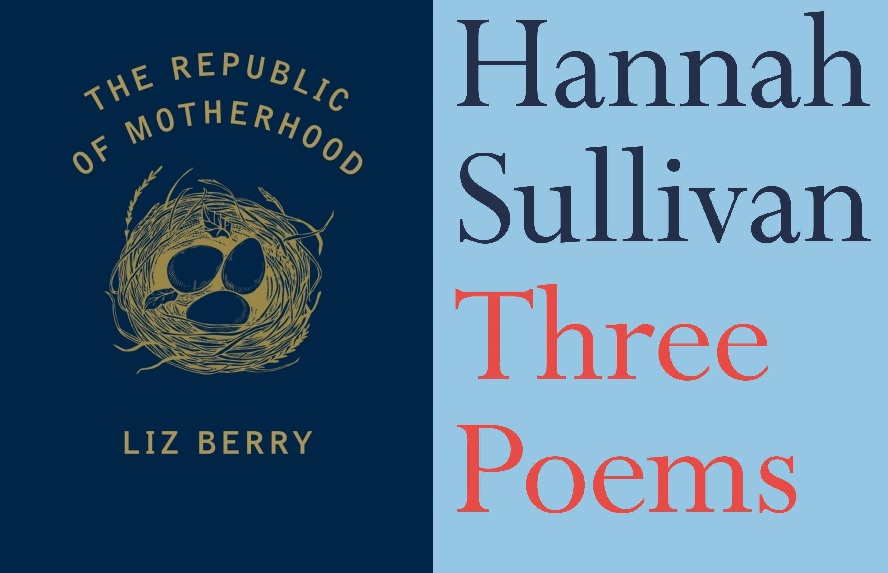
Rachel Bower In her 1995 work Object Lessons: The Life of the Woman and the Poet in Our Time (Carcanet), Eavan Boland described a powerful dilemma at the heart of women’s writing about motherhood. She suggested that ‘the woman poet today is caught in a field of force’, offering an example of the…
-

Permanent Afternoons: The Underworld in the Poetry of Sean O’Brien
John Challis Then, midway down that channel of the dead, A figure thick with mud rose up and called: ‘Who are you? You have come before your time.’ (Inferno, trans. Sean O’Brien) Since reading the Inferno as a teenager, the subject of the dead in poetry has continued to fascinate me. There…
-
Breaking the Unthinkable Silence: on Michael Hofmann’s ‘One Lark, One Horse’
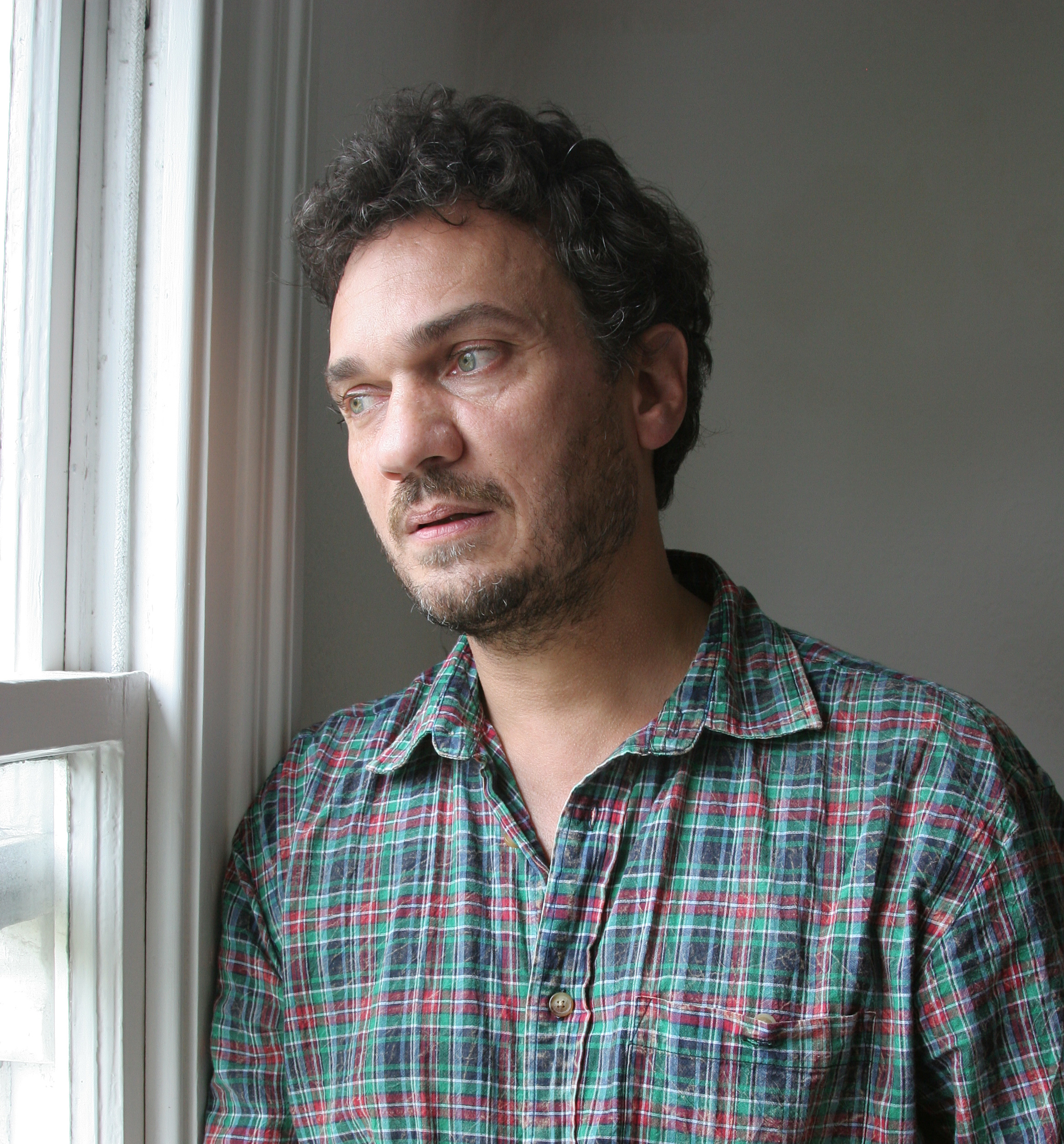
(photograph by Jemimah Kuhfeld: www.jemimahkuhfeld.co.uk) André Naffis-Sahely Poetry critics, just like the rest of us, are largely ungenerous to the middle-aged. More often than not, we expect our poets to vanish once the fury of youth has abated, and we ignore them all too happily until the reflective wisdom of senility has finally…
-
The World of the Half-Seen: on Ruth Padel’s ‘Emerald’ and writing loss
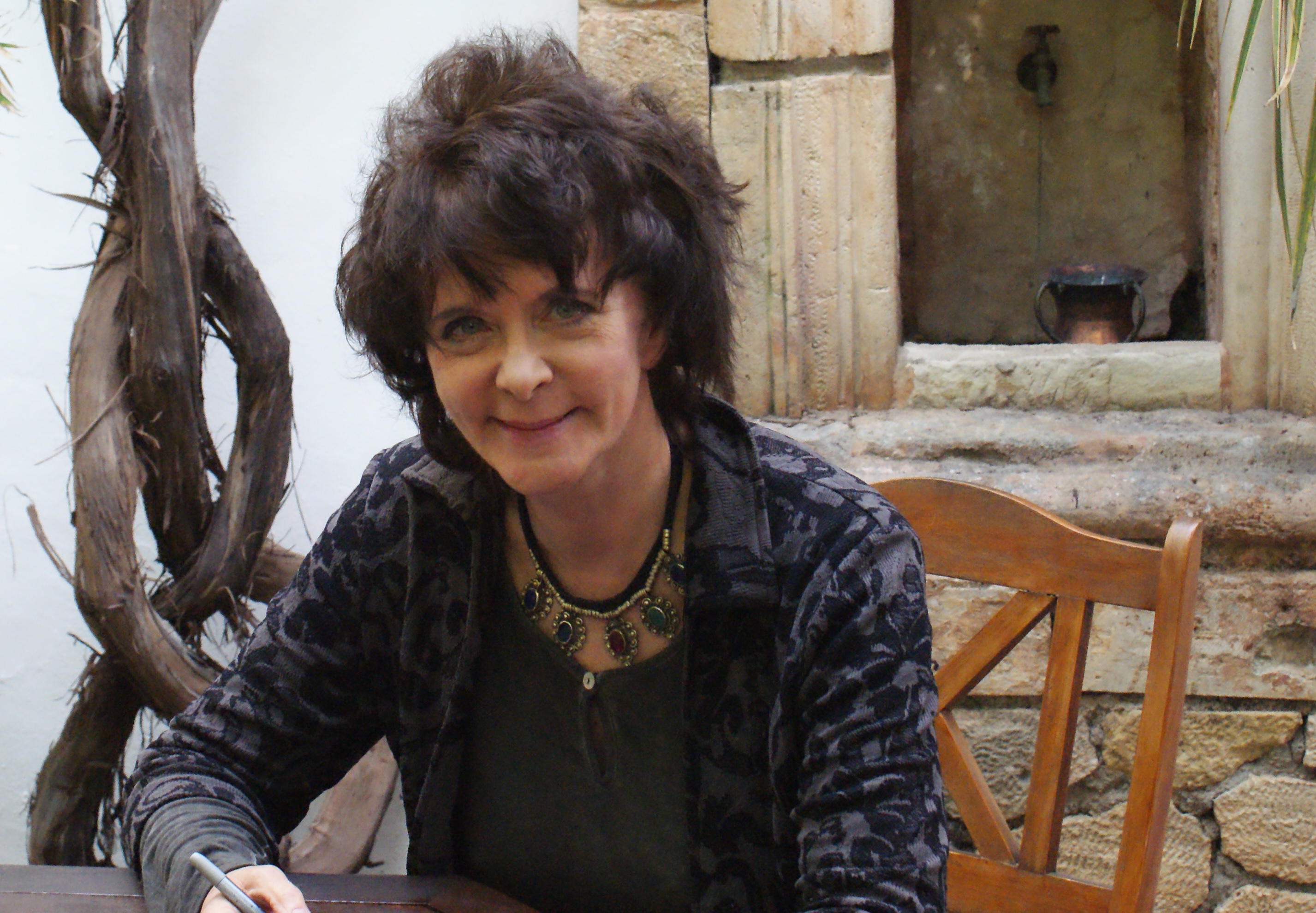
Nadia Saward Emerald, Ruth Padel’s new collection (Chatto & Windus, 2018), is primarily an elegy for her mother who passed away in 2017 at the age of ninety-seven. In it, through careful observation of the world around her, Padel has created a nuanced portrayal of the transformations that occur in our lives when…
-
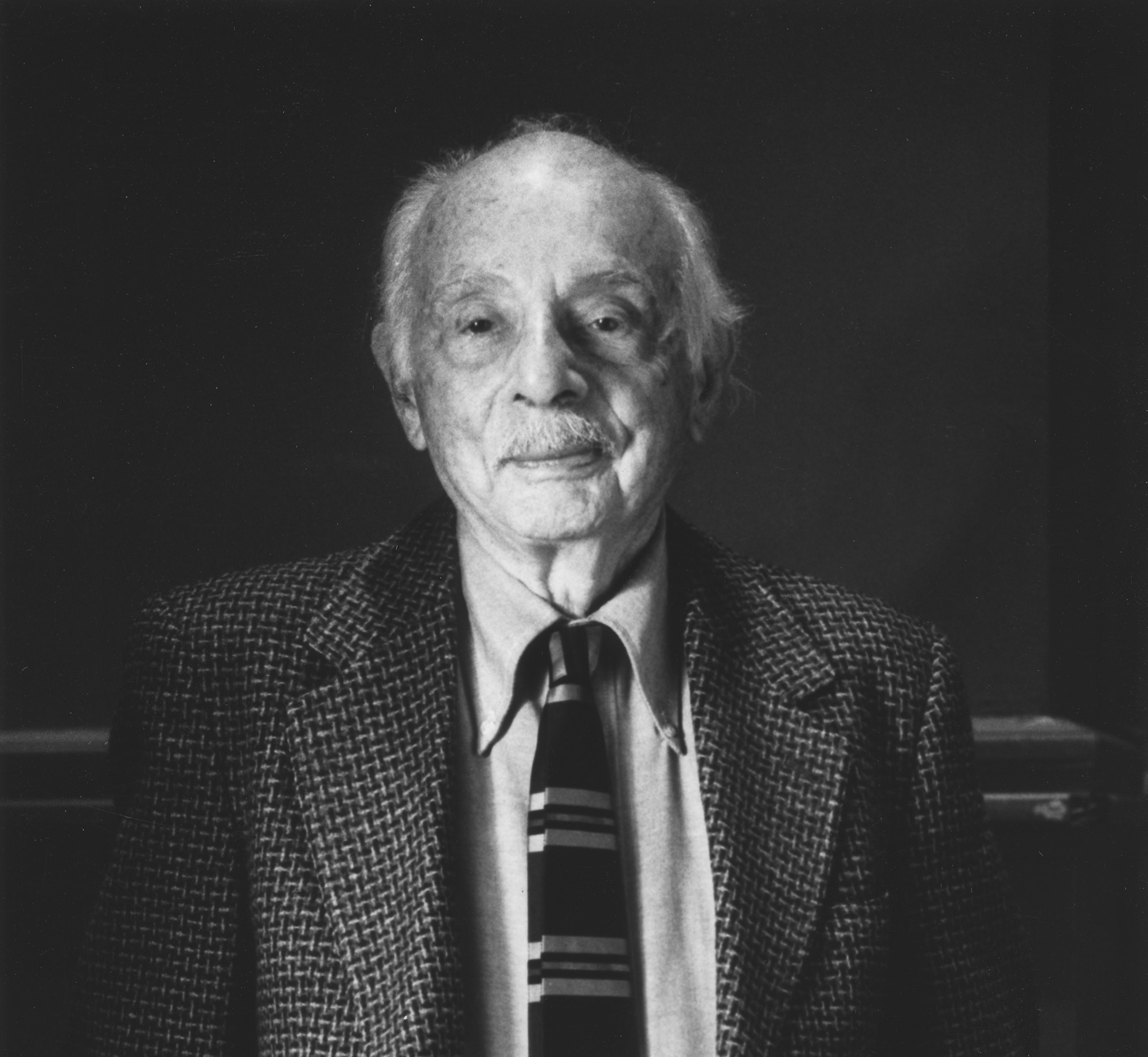
‘Abducted’: on a poem by Stanley Kunitz
(photograph by Lynn Saville: www.lynnsaville.com) Martina Evans Although I know the month and the day, I don’t know the year I discovered Stanley Kunitz’s poem ‘The Abduction’. His name was familiar to me. I loved his poem ‘Route Six’ with its seal-like cat called Celia on her way to the Cape, but I…
-

Hart Crane in Greenwich Village
(photograph by Walker Evans) Francesca Bratton In his 1921 flâneur’s guide to New York City, Hints to Pilgrims, the dramatist and essayist Charles S. Brooks briefly interrupts his rhapsodies over the city’s ‘restaurants and theatres…bridges…the shipping…parks…fifth avenue…electric signs’ with a quick sketch of its ‘quartier Latin’, Greenwich Village. Brooks’s interlude revolves around a…
-
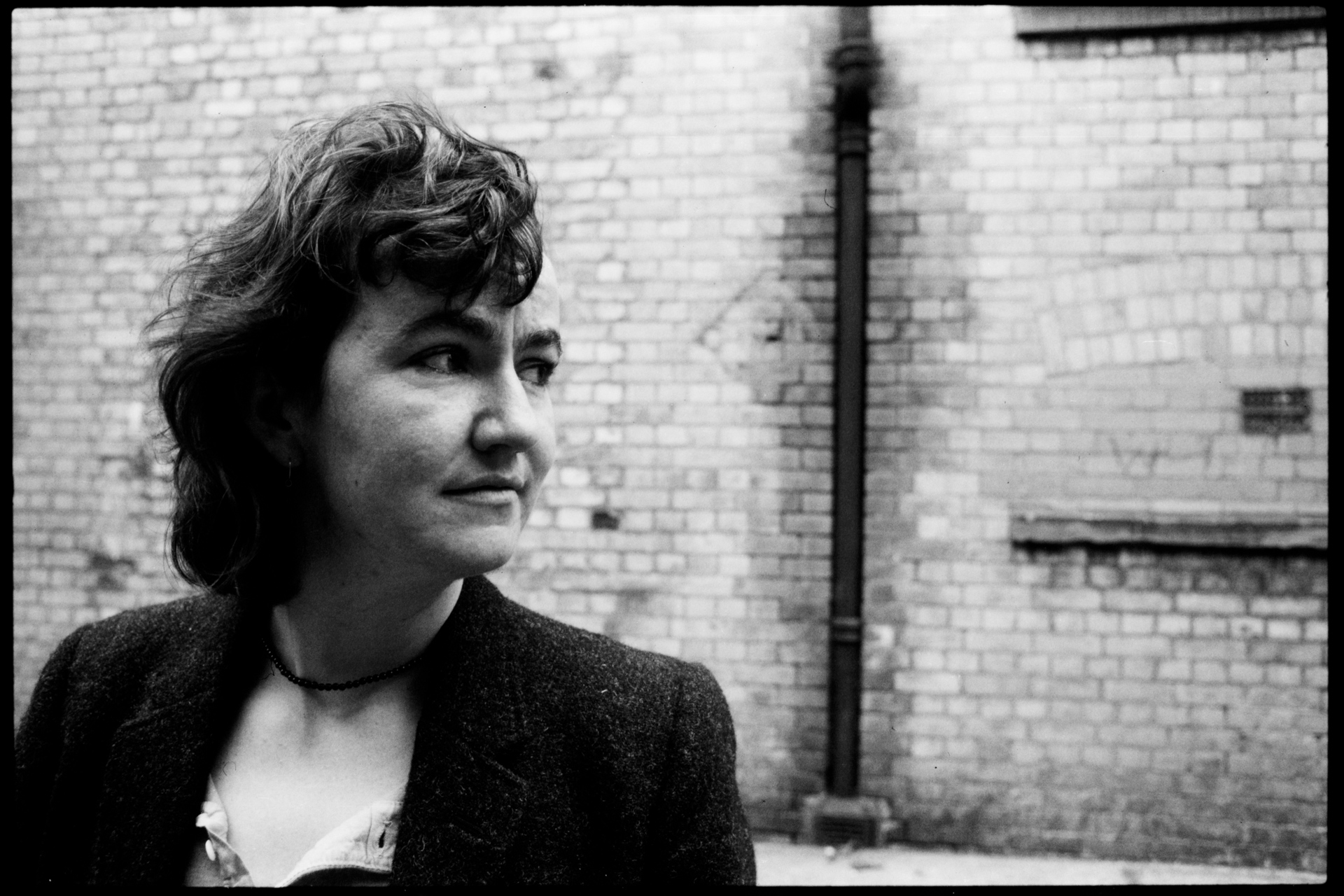
‘Translation is the Opposite of War’: On Sarah Maguire
Photos above & below: © Crispin Hughes André Naffis-Sahely True translators take to their craft so intensely that they tend to hurtle towards invisibility, and in Britain, the land of the Anonymous Translator, nobody paid a greater price for their devotion to world poetry than Sarah Maguire, who died in November 2017, following…