Essays
-
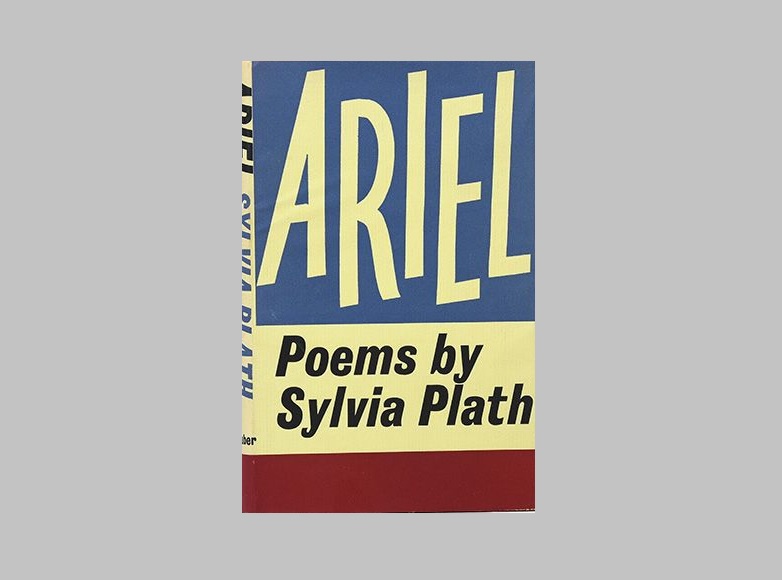
The death-drive and the drive to self-indetermination in Sylvia Plath’s ‘Ariel’
Bethany Smith If death is seen to be the ultimate fear of the human psyche, the subject is faced with two options — to find any means necessary to escape it, or to aggressively confront it in hopes of making it less of a fear. Many human actions are driven by the desire to escape…
-
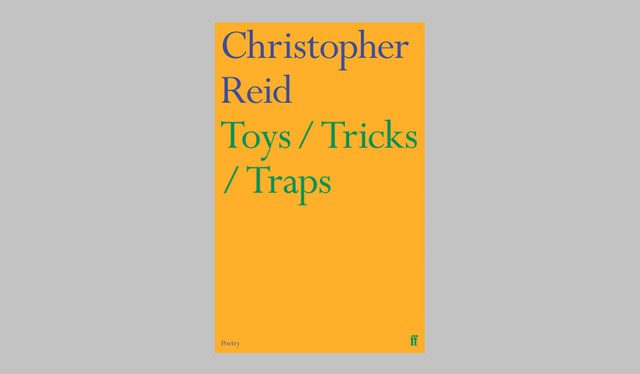
On ‘Toys / Tricks / Traps’ by Christopher Reid
Mark Wynne Whilst Christopher Reid has often disguised deeply autobiographical work behind sophisticated role play – the fictional female translator of an Eastern European poet in the extraordinary Katerina Brac (Faber, 1985) or the gently buffoonish widower Professor Winterthorn in Nonsense (Faber, 2012) – the protagonist of his new collection, Toys / Tricks / Traps…
-
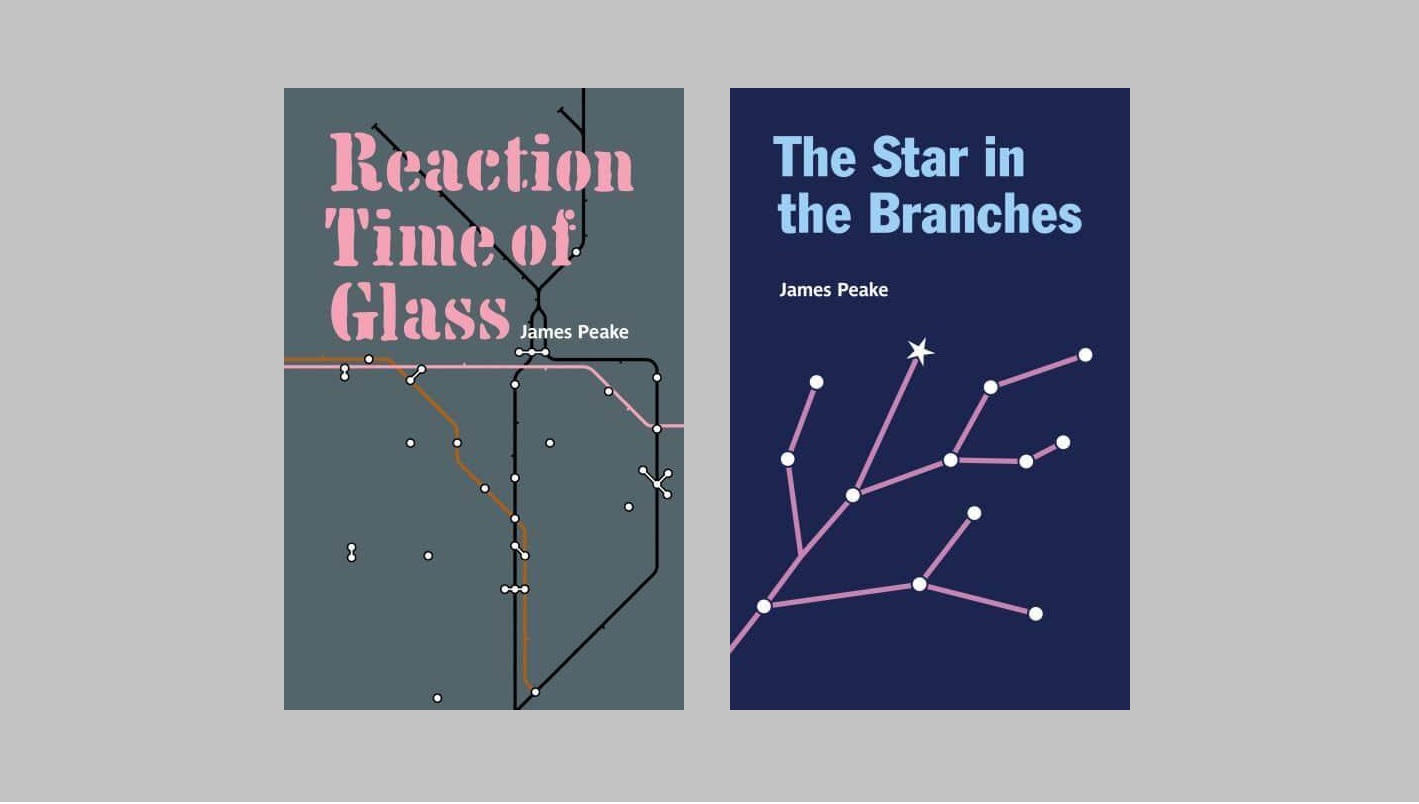
‘Rife with schools of shadow’: on the poetry of James Peake
Lily Searstone Through fragmented visions and memories, James Peake’s second collection, The Star in the Branches (Two Rivers, 2022), seamlessly distils the past, the starkness of contemporary life, and premonitions of the future, to create an introspective – yet also transportive – portrayal of the fractured times we find ourselves living…
-
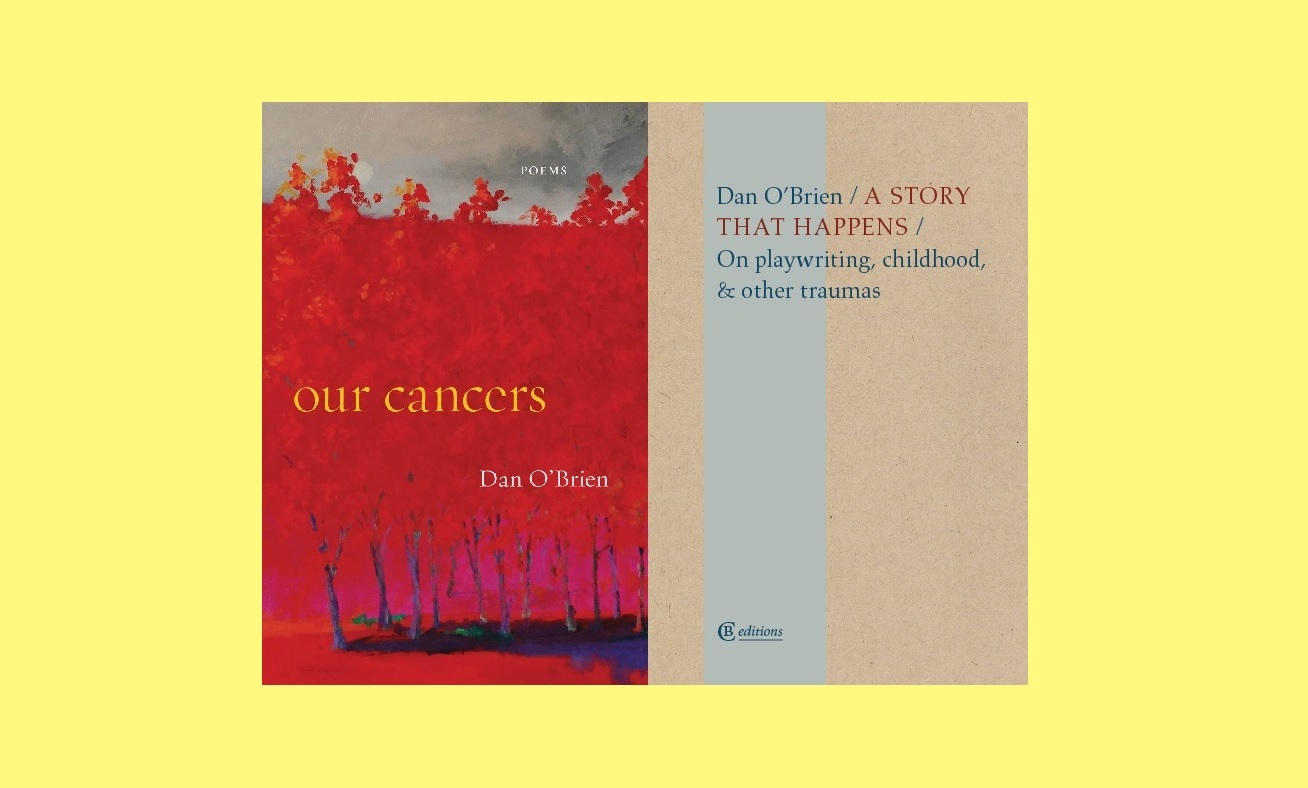
‘Parts of us regenerate, others don’t’: On Dan O’Brien
James Peake The photojournalist and Pulitzer-prize winner, Paul Watson, is a friend, collaborator and in “complicated ways, almost family” to the poet and playwright Dan O’Brien. He tells O’Brien that “people don’t notice how quickly we die”. You might expect such from someone who has successfully reported on some of the…
-
Peter Redgrove: Dreaming in a Wakeful World
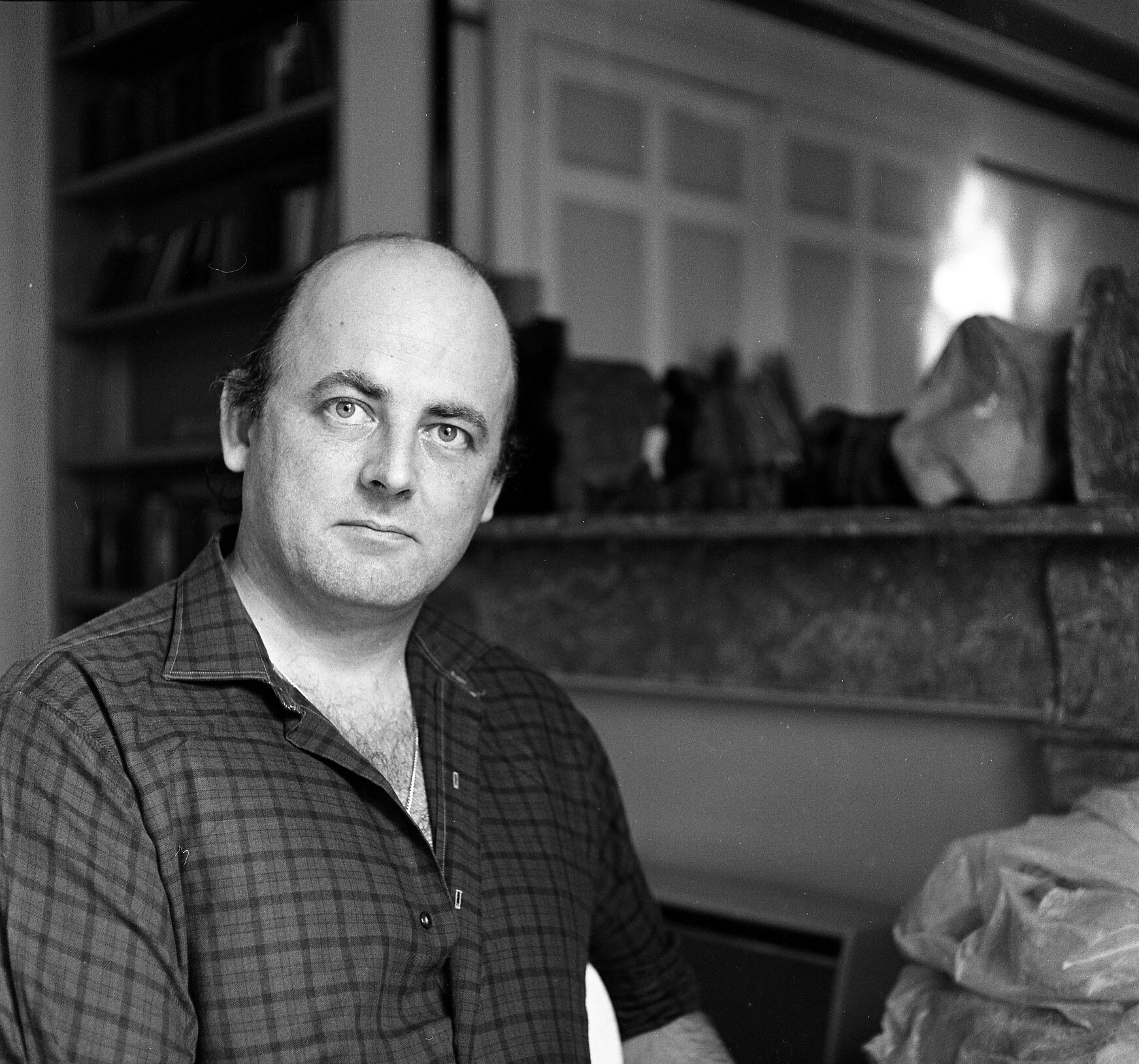
Peter Redgrove, sometime in the 1970s John Greening discusses Peter Redgrove and his poetry. Based on a talk given to mark the fiftieth anniversary of Falmouth Poetry Group on 17th September 2022. Peter Redgrove (1932-2003) would have been ninety this year. According to his biographer, Neil Roberts, he did…
-
‘All our past lives’: on Emily Berry’s ‘Unexhausted Time’
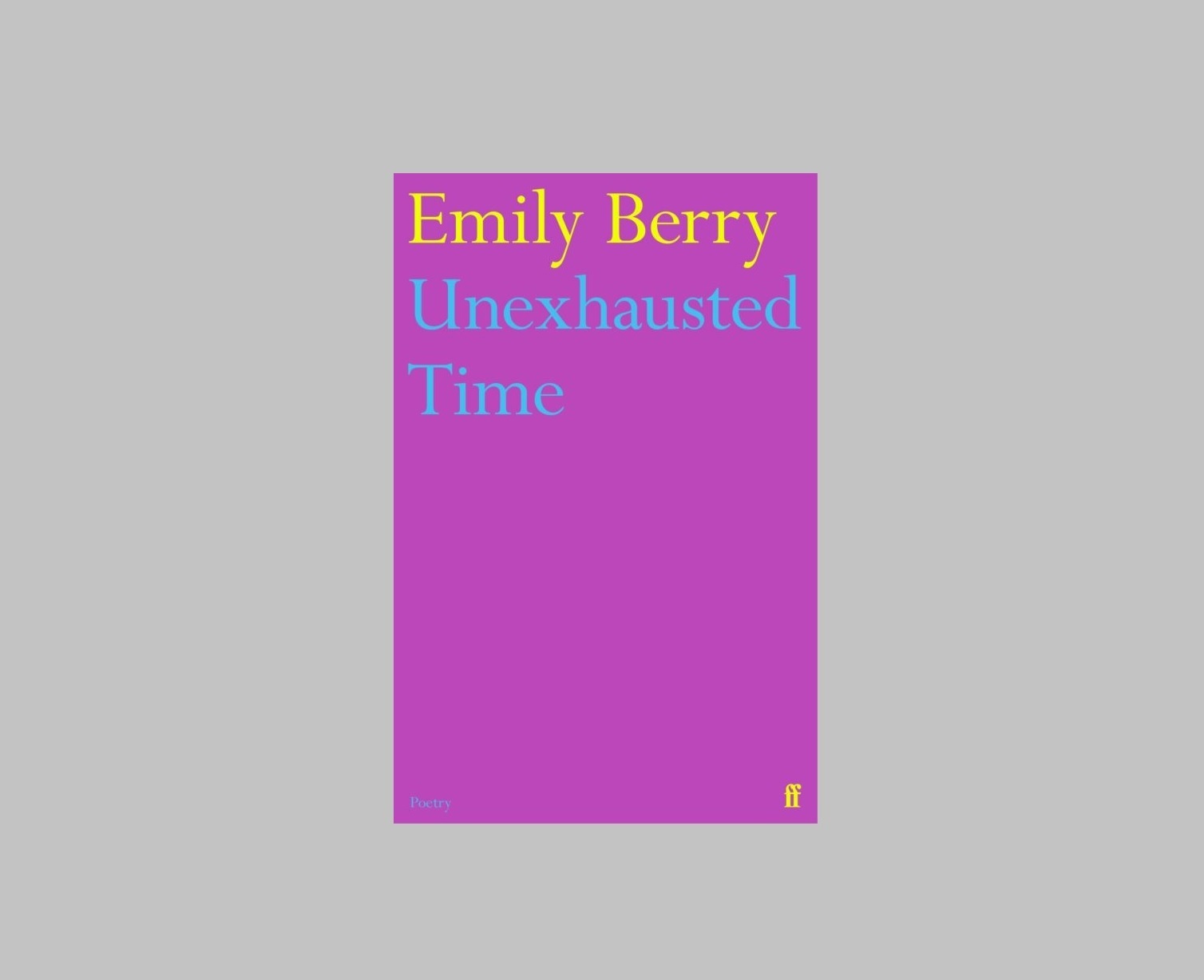
Nicola Healey I have long admired the way Emily Berry’s poetry handles complex thought, not just feeling, within carefully considered sentences, her intelligent sensitivity to our interior lives, and her attention to the idiosyncratic, often overlooked, details of living, but Unexhausted Time (Faber, 2022) is my favourite of her collections to date.…
-
‘On Wenlock Edge the wood’s in trouble’: reading A. E. Housman
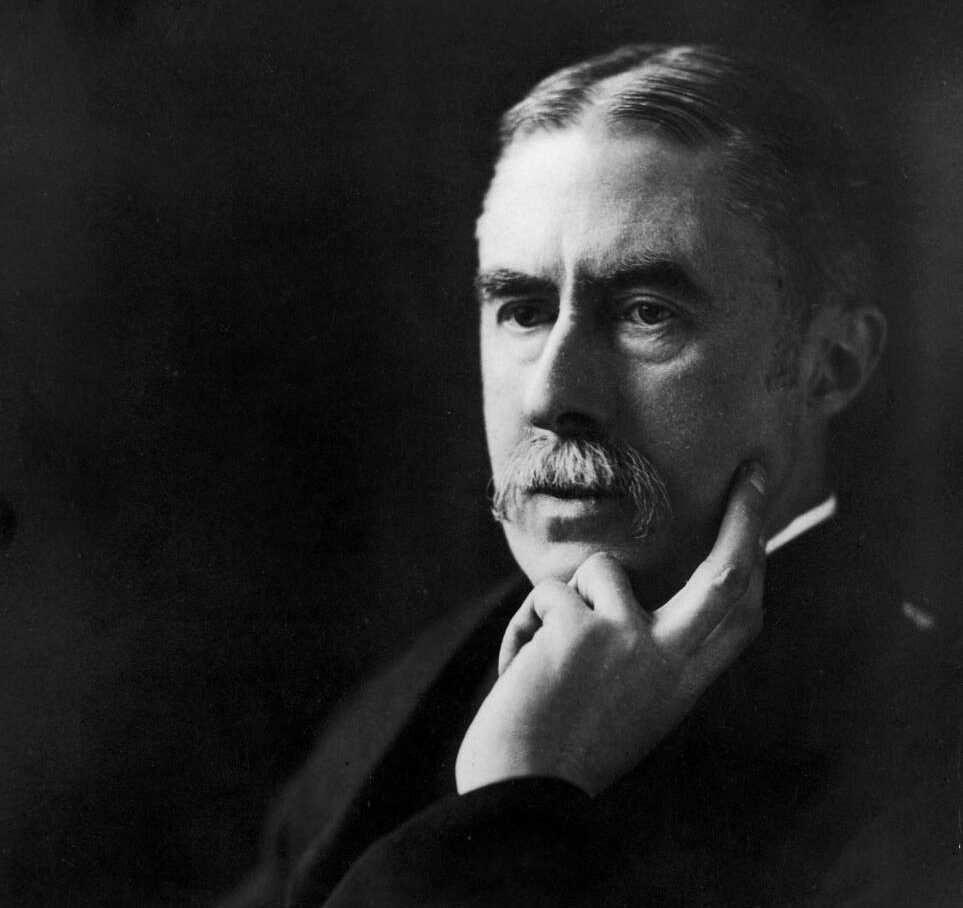
Nell Prince I partially recall A Shropshire Lad’s thirty-first poem, ‘On Wenlock Edge the wood’s in trouble’, because it’s in a cinematic adaptation of Alan Bennet’s The History Boys (2006). A middle-aged, wheezing English teacher, who is both relic and rebel, quotes in part reverie, part depressed mood: The tree…
-
In Defence of Inspiration
Photo by Rohan Makhecha on Unsplash Sarah Fletcher I want to start with an anecdote: I was at the pub after a poetry reading in London. I found myself in conversation with two very different species of poet: a young whippersnapper straight from the Oxford colleges, and a seasoned editor. The whippersnapper…
-
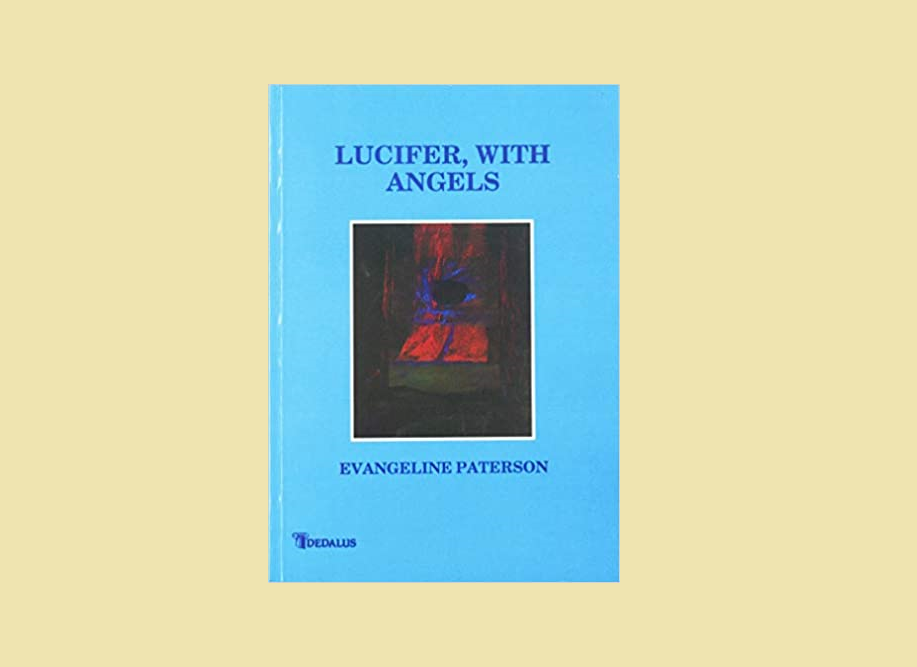
‘Marginalised and Pigeonholed’: a re-evaluation of Evangeline Paterson
Matthew Stewart urges the re-evaluation of Evangeline Paterson as a major poet of her generation Blurbs tend to get a justified bashing these days for their breathless praise and jargonised code, and there’s no doubt the current trend is towards their use purely as a marketing tool. However, in the past they…
-
The voyage to ‘eternal silence’: Male heroism and the evasion of death in Tennyson’s ‘Ulysses’
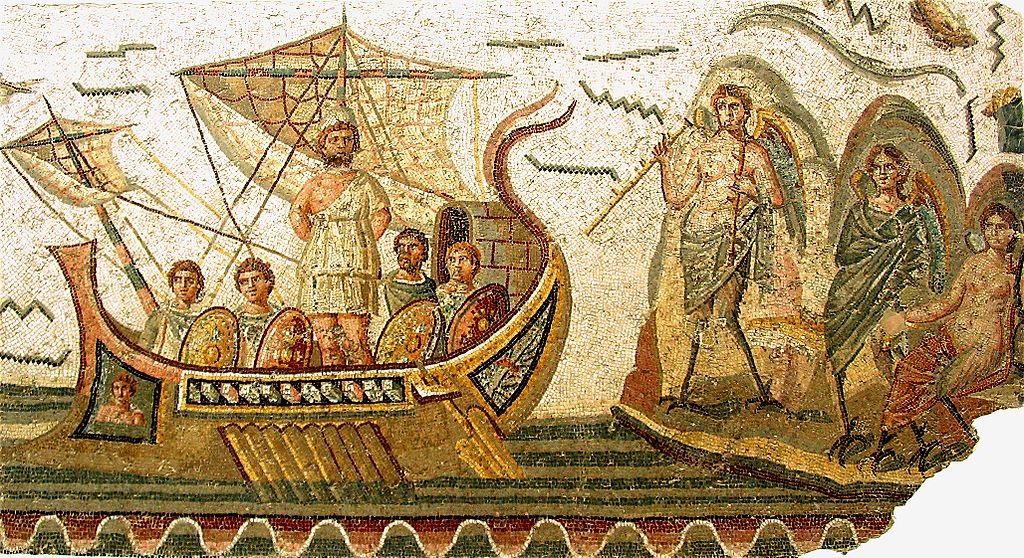
Ulixes mosaic at the Bardo Museum in Tunis, Tunisia. 2nd century AD. Lily Searstone Tennyson’s nuanced reworking of Homeric epic in his Ulysses (1842) is monumental in its binding of ancient and modernist narratives. The layered intertextuality and multiplicity of Ulysses as a symbol of masculine heroism in decline works to express…
-
An excerpt from ‘Wendy Cope’ by Rory Waterman: on her ‘Saint Hilda of Whitby’
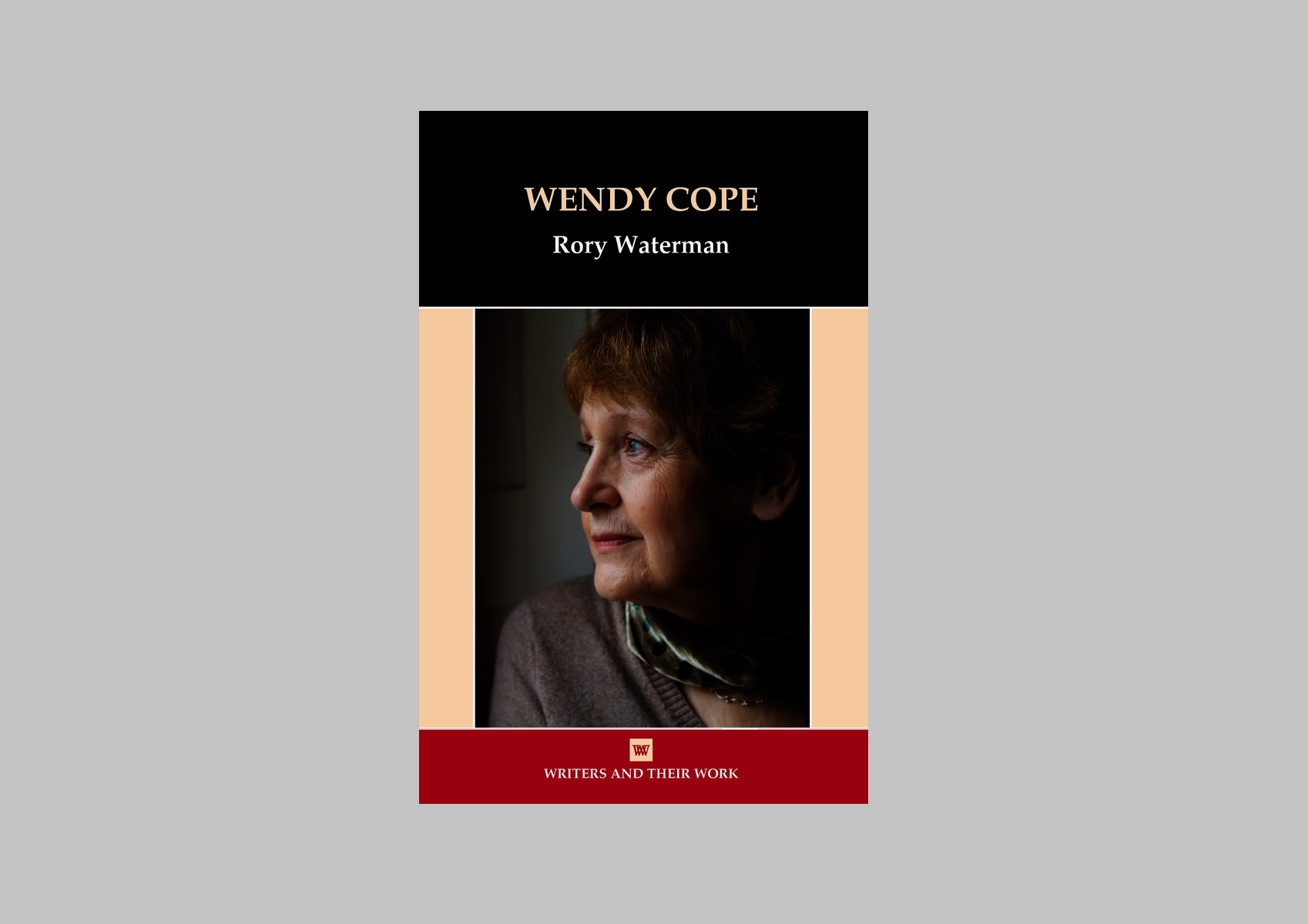
Rory Waterman writes: This is a slightly edited short excerpt from my recent book Wendy Cope (Liverpool University Press, 2021), reprinted here with thanks to the publisher. In 2018, I was asked to review Cope’s new collection, Anecdotal Evidence, for the Times Literary Supplement, which got me thinking: why has nobody written a book…
-
A psycho-geographer slipping the coordinates of time: on Tim Cumming
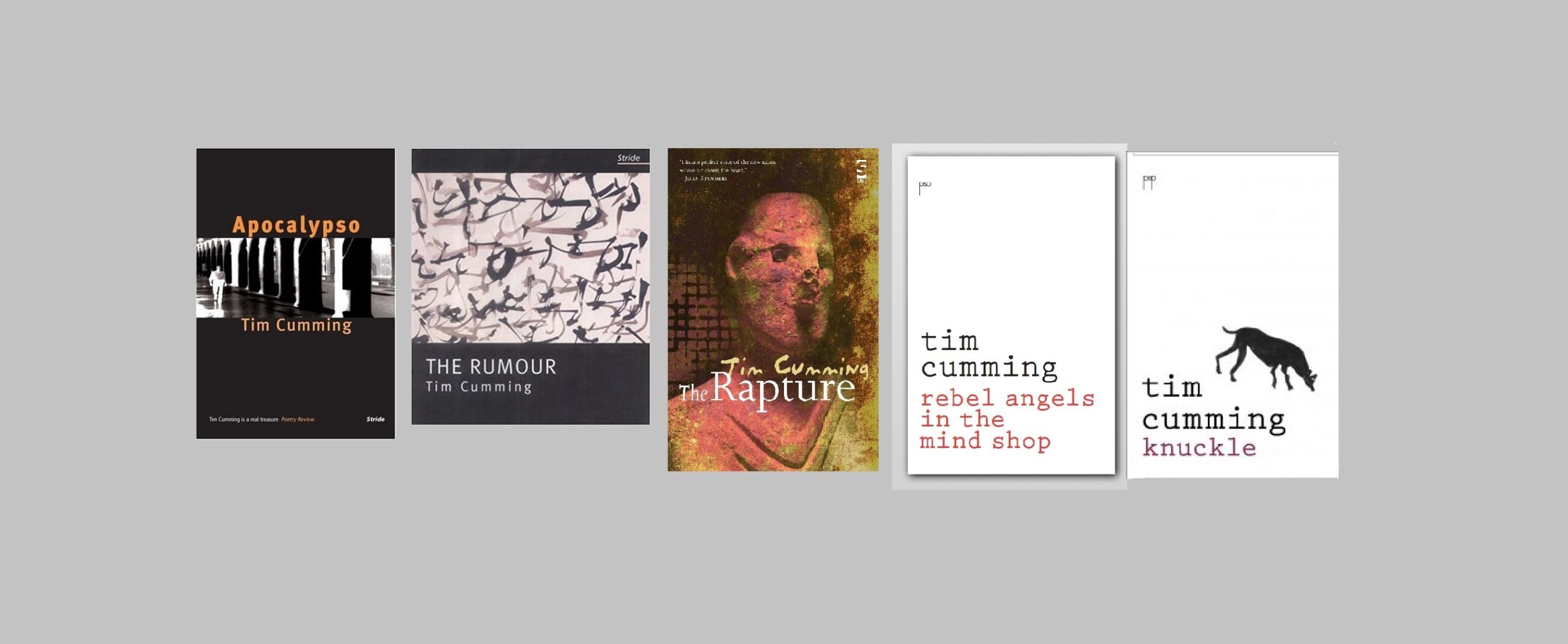
Julian Stannard ‘You sit/down to put into words your reckoning.’ I don’t read Tim Cumming with any expectation of the anodyne. The title of his latest book (Knuckle, Pitt Street Poetry, 2019) suggests the experience, as ever, will be bracing. ‘The Knuckle End’ – almost the title-poem – considers the poet’s…
-
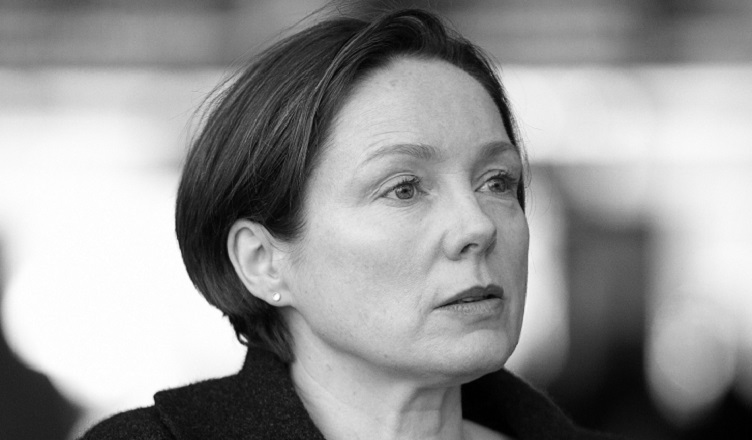
Handbrake turn on a hair-pin bend: Lavinia Greenlaw and poetic feat
This essay was originally published by Wild Court on 1st March 2016. Lavinia Greenlaw will be taking part in the latest online ‘Poetry And…’ event, curated by Ruth Padel, on 2nd November 2021. Details, including how to get your free tickets, can be found here. Rose McLaren I will start where I…
-
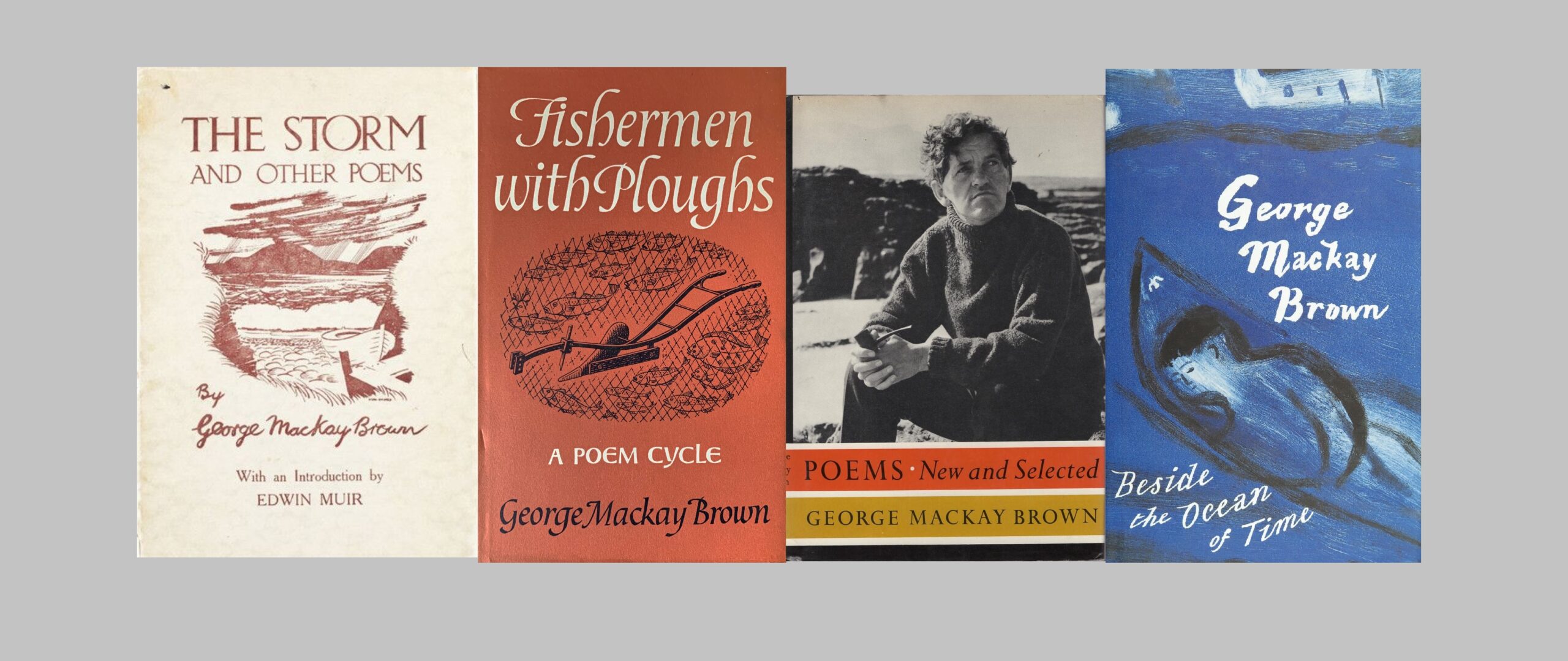
Discovering George Mackay Brown
John Greening marks the centenary of the birth of George Mackay Brown (1921-1996), which falls this Sunday, 17th October. The June bee Bumps in the pane with a heavy bag of plunder ‘I first got to know George Mackay Brown’s work in 1982 when we were living in North East…
-
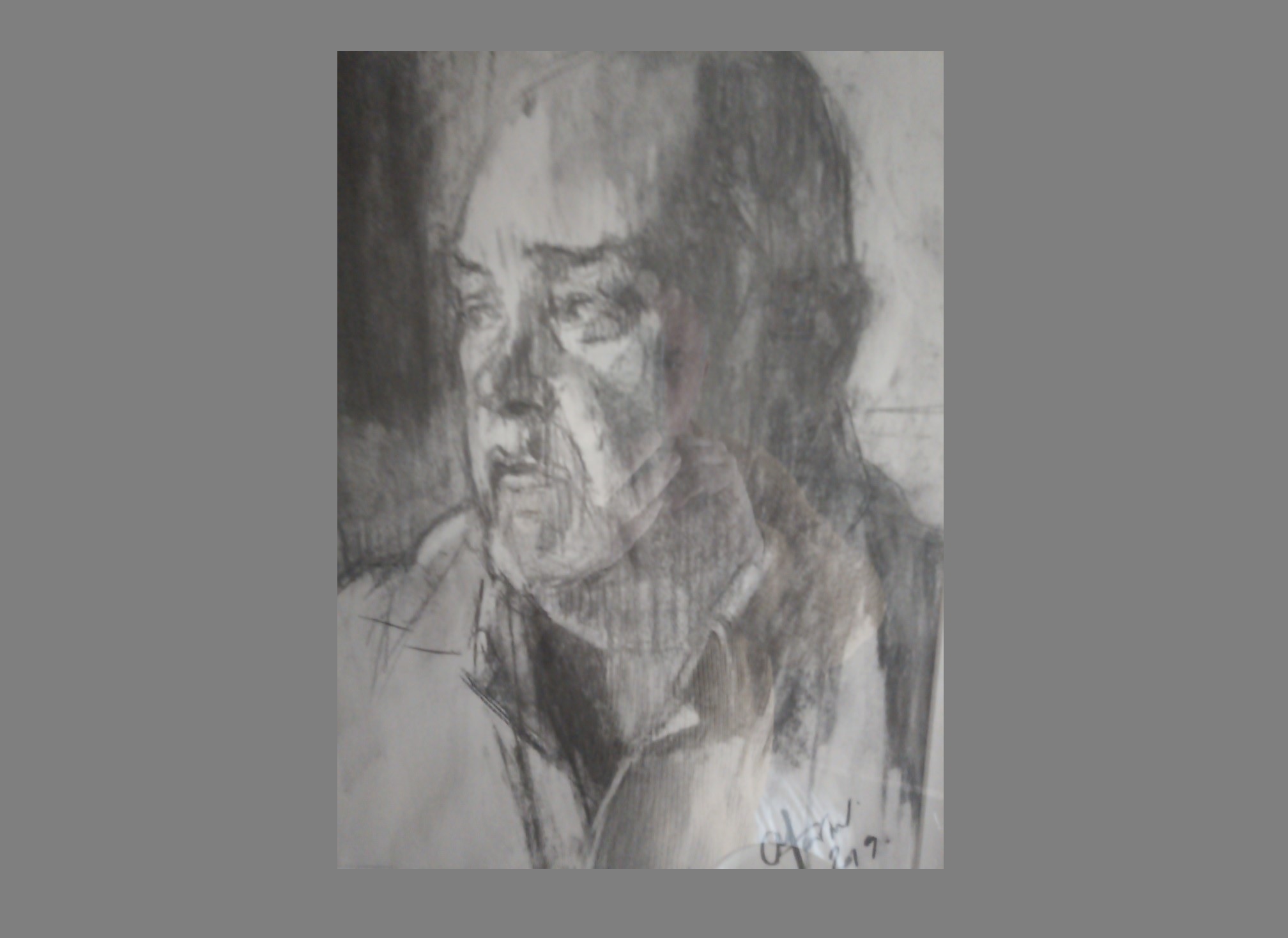
Poems of Community and Historical Memory: an interview with Ian Parks
Portrait of Ian Parks by Andrew Farmer Ian Parks was born in 1959 and is the author of eight collections of poems, including Shell Island, The Exile’s House, Love Poems 1979-2009 and Citizens. He is editor of Versions of the North: Contemporary Yorkshire Poetry and the Selected Poems of Harold Massingham, and his…
-
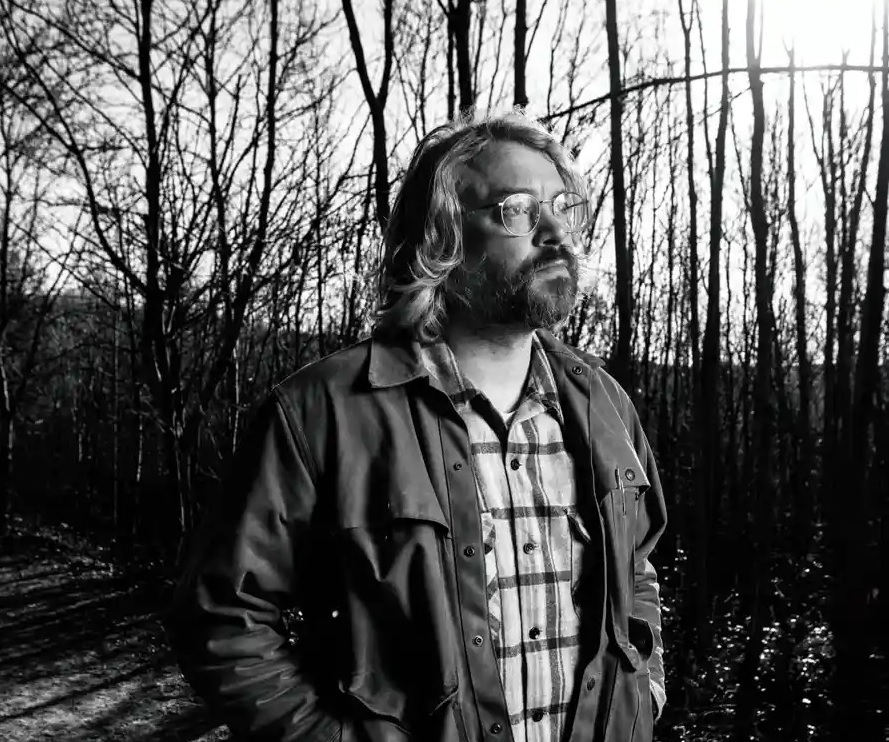
‘Man of the region’: an appraisal of poet Will Burns
Will Burns in Wendover Woods, Buckinghamshire; photograph by Antonio Olmos Jake Morris-Campbell, April 2021 May 2020, the seventh week of lockdown measures. It’s about 9.30 in the morning and I’m pushing out of the village with the bairn, up beneath the hills, along a gravely track parallel to the disused reservoir (replete with a 100-foot,…
-
Fog Theory: lost in the white gaze
Alycia Pirmohamed “Fog is a cloud that touches the ground.” A metaphor for vanishing, for dissolving, for withholding, fog often finds its way into my poetry. A woman becomes the fog. An unanswered prayer is the fog. A body disappears into the fog. The fog is a way to make a…
-
Larkin Stateside: implicit dialogues between the poetries of Joshua Mehigan and Philip Larkin
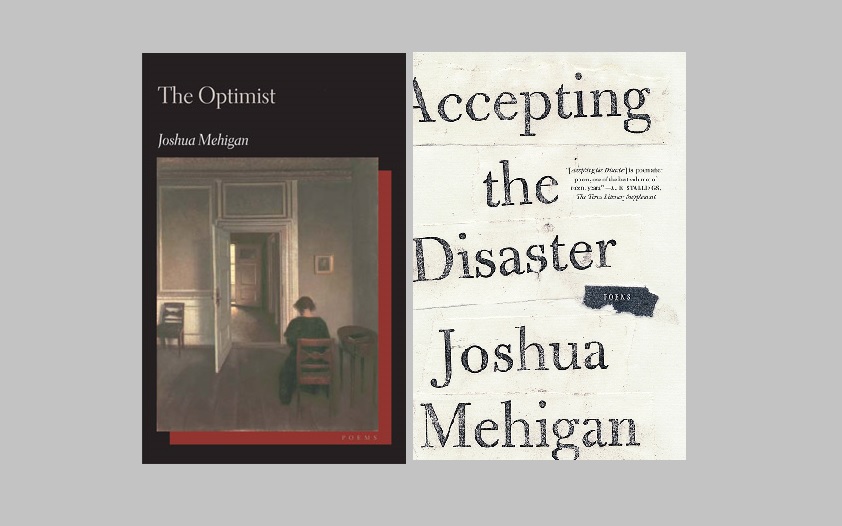
Matthew Stewart From the perspective of English critics, poets and readers, it’s impossible to separate Philip Larkin’s qualities as a poet from his country of origin. He’s such a quintessentially English figure that any assessment or evaluation of his work inevitably gets weighed down by social and political baggage. Of course, foreigners come…
-
The Poem Not Taken: Robert Frost and the inaugural tradition that isn’t
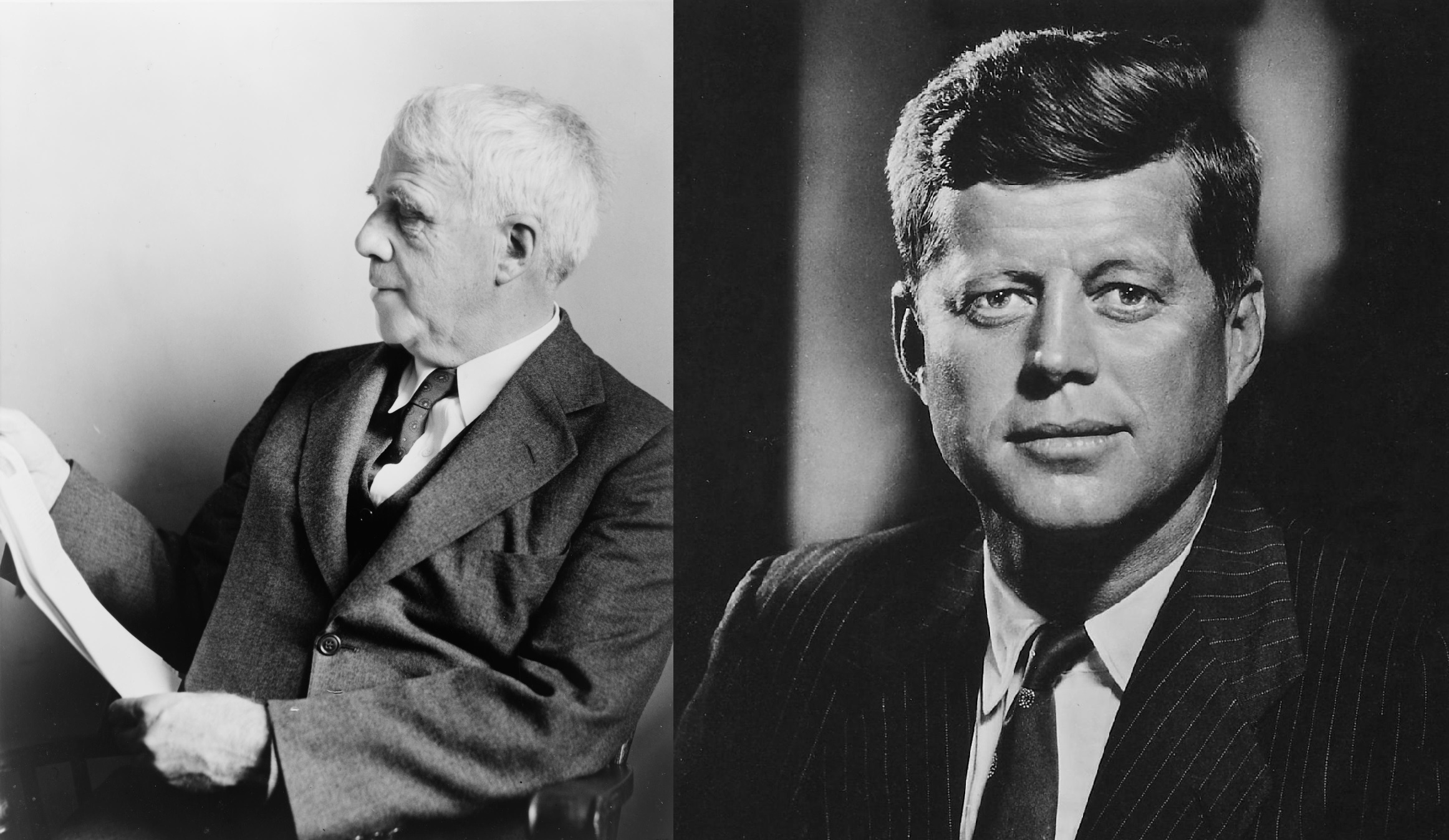
Rick de Villiers The sun shines on nothing new, saith the Preacher (and Samuel Beckett after him). But what if, on 21 January 1961, it hadn’t? What if neither snowy glare nor a whipping “Nor’easter” prevented Robert Frost from reading ‘Dedication’, the poem he’d written specially for the inauguration of John F.…
-
Fifty Forty: on the incomplete histories of Carcanet and the LRB
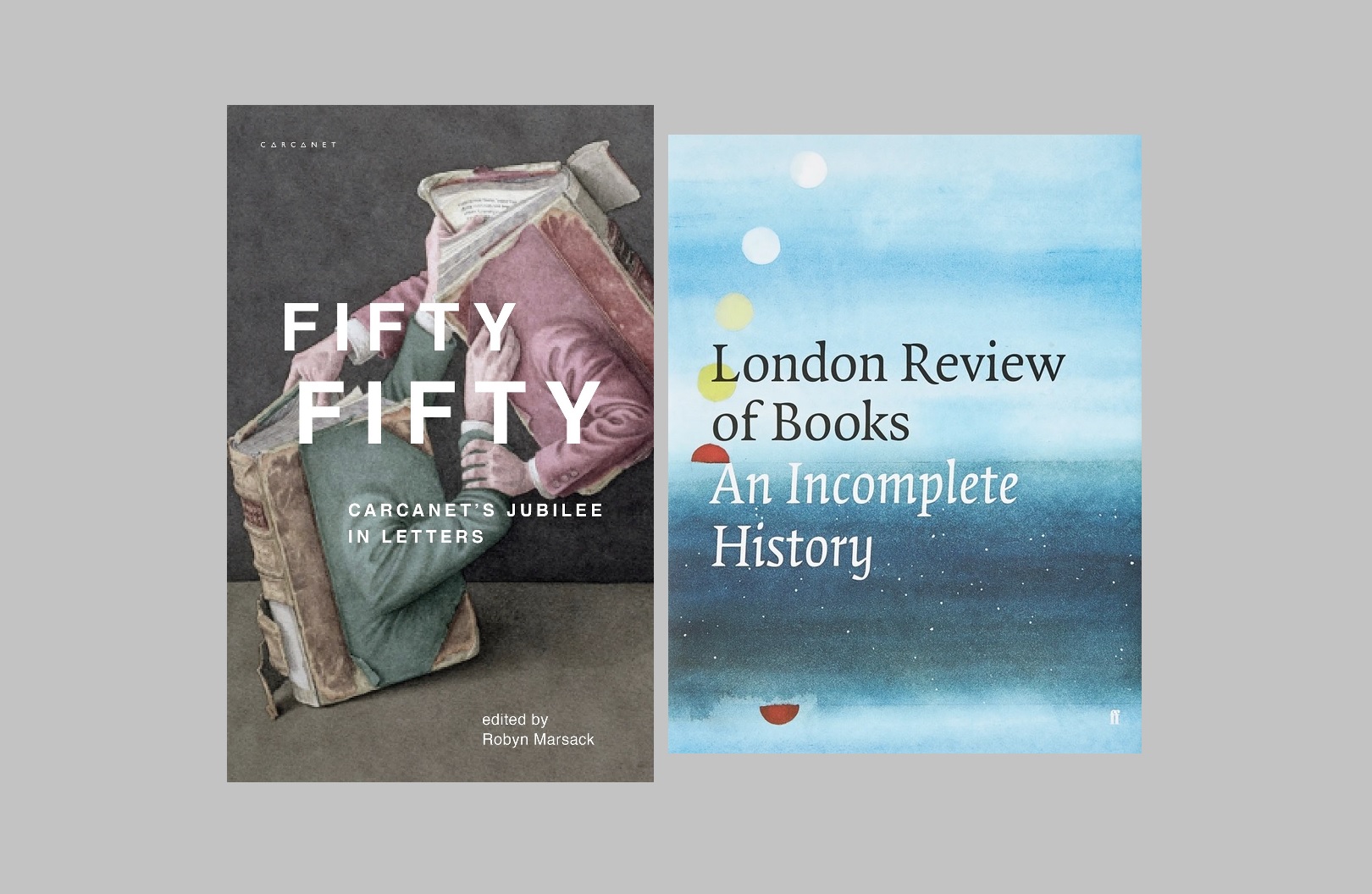
Kevin Gardner One of the most pleasurable of readerly experiences is the subversive frisson of snooping into the conversational intimacy of an author’s letters. When the initial titillation of prying fades, however, we are left craving an indulgence. If only this invasion of privacy were permitted, encouraged even, by the letter writer.…